The United Nations refugee agency(UNHCR) has revealed that nearly 900 Rohingya refugees were reported dead or missing in the Bay of Bengal and the Andaman Sea in 2025.
According to the agency, this was the deadliest year on record for maritime movements in South and South East Asia, and thousands of people continue to make the dangerous journeys in 2026.
Speaking to reporters in Geneva, the UNHCR’s Spokesperson, Babar Baloch, described the area as an “unmarked graveyard for thousands of desperate Rohingya refugees,” noting that some 5,000 are thought to have drowned at sea over the last decade.
More than 6,500 Rohingya attempted perilous sea crossings that year, with one in seven reported missing or dead, the highest mortality rate worldwide of any major route for refugee and migrant sea journeys.
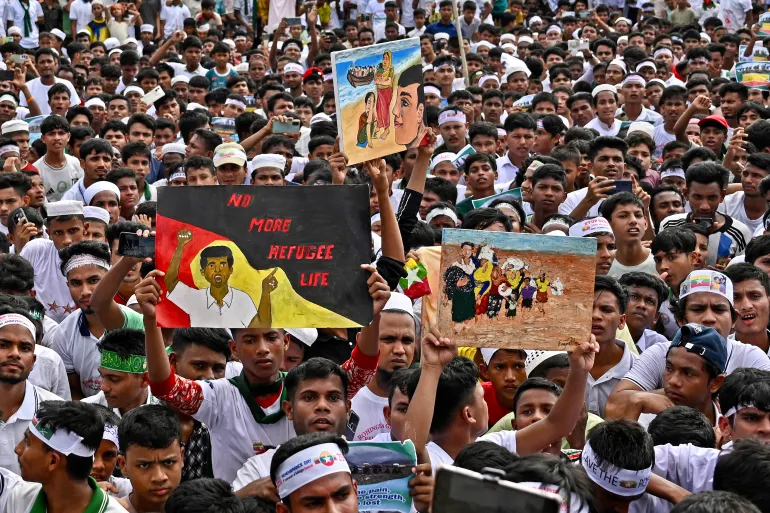
The UNHCR hopes that highlighting the record death toll will make people aware of “what the Rohingyas are going through inside Myanmar and in the refugee camps and in the wider region,” and prompt solutions to avoid another record toll in 2026.
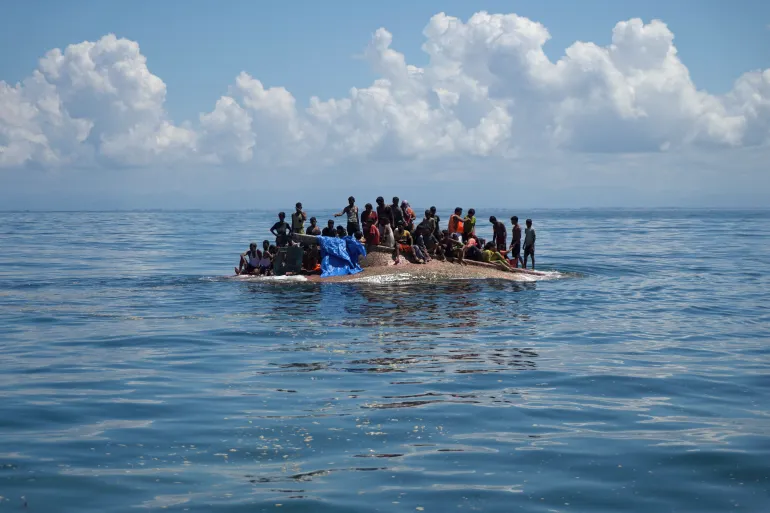
Earlier this month, an overcrowded trawler carrying about 250 Rohingya refugees and Bangladeshi nationals sank in the Andaman Sea. It was on its way to Malaysia from the southern Bangladeshi port of Teknaf when it experienced rough seas and heavy winds on April 8. While the Bangladeshi coastguard said that it had rescued nine people, hundreds more are missing.
Hundreds of thousands of Rohingya refugees began fleeing Myanmar in 2017 amid an ethnic cleansing campaign. They largely settled in refugee camps in Bangladesh, which continues to give refuge to those fleeing today. However, humanitarian aid in the country has been reduced due to funding shortfalls, and there is limited access to education and opportunities in the camps, prompting people to attempt the dangerous sea crossings.
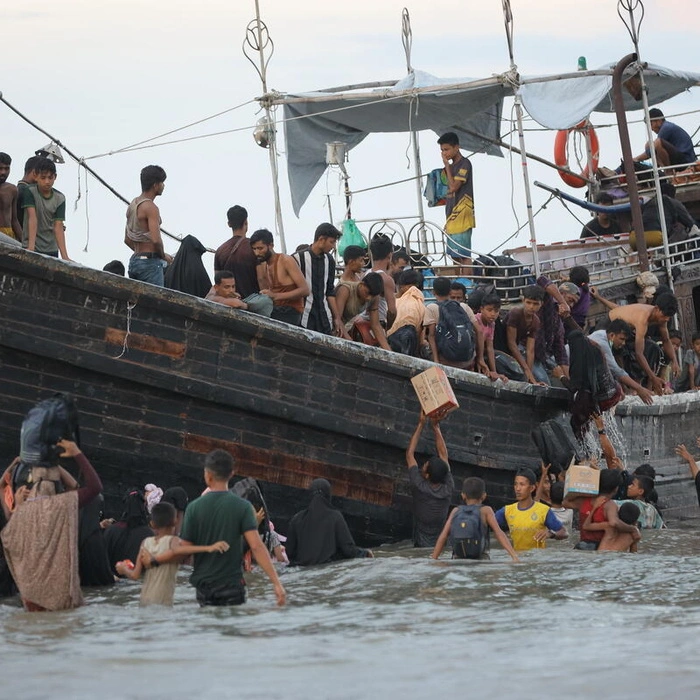
More than 2,800 Rohingya have done so this year, the majority leaving from Cox’s Bazar in Bangladesh or Rakhine State in Myanmar in the hope of reaching Malaysia or Indonesia. In recent years, over half of those making the sea journeys have been women and children, who are at risk of trafficking and exploitation.
The severity of the data has been underlined by the most recent and tragic incident in the Andaman Sea, where an extremely overcrowded boat that departed Bangladesh on 26 March reportedly capsized due to rough seas, leaving an estimated 250 people missing. Nine survivors were rescued on 9 April near the Andaman Islands.
UNHCR is providing counselling and referrals for medical and psychosocial support to Rohingya survivors and is ready to support local authorities. Despite the extreme dangers, including trafficking, exploitation, and death at sea, thousands of Rohingya refugees continue to undertake these journeys. Boats, often overcrowded and unseaworthy, typically depart from Cox’s Bazar in Bangladesh or from Rakhine State in Myanmar towards Indonesia or Malaysia.
Rohingya Refugees Left With Little Hope Of Returning To Myanmar
While Baloch says that most wish to return to Myanmar once conditions allow, “ongoing conflict, persecution, and the absence of citizenship prospects leave them with really little hope” of doing so.
UNHCR called on states to address the root causes of displacement, expand safe and legal pathways, and strengthen regional cooperation to save lives and combat smuggling and trafficking.
Over 1.3 million Rohingya refugees and asylum-seekers remain displaced across the region, including 1.2 million in Bangladesh, where the 2025 Joint Response Plan was only 53 per cent funded, underscoring the urgent need for increased international support.
READ ALSO: Hon. Michael Aidoo Calls for Parliamentary Inquiry into Ghana Gas Negligence