The cabinet of Japanese Prime Minister Sanae Takaichi has lifted a ban on exporting lethal weapons, including fighter jets, in a major shift to Japan’s pacifist post-World War II constitution.
The Japanese government eased arms export rules to enable the sale of weapons overseas, its top spokesman said, as it seeks to boost security cooperation with partner countries.
The changes, approved by the Cabinet and the National Security Council (NSC), mark a significant shift in defense policy for a country that has touted itself as a “peace-loving nation” under its war-renouncing Constitution since its defeat in World War II. They come as the government of Prime Minister Sanae Takaichi, a national security hawk, aims to strengthen the country’s defense industry amid what the administration has called Japan’s most severe security environment since the end of World War II.
In a post on X announcing the changes, Takaichi did not specify which weapons Japan would now sell overseas. However, Japanese newspapers said the changes would encompass fighter jets, missiles and warships, which Japan has recently agreed to build for Australia.
Tokyo’s change in policy comes soon after Japan and Australia signed a $7bn deal that will see Japan’s Mitsubishi Heavy Industries build the first three of 11 warships for the Australian navy.
The decision also comes after a meeting of the National Security Council (NSC) held yesterday, which was attended by Takaichi, Kihara, Foreign Minister Toshimitsu Motegi, Defense Minister Shinjiro Koizumi and others to discuss the proposals.
The revisions to the “three principles on transfer of defense equipment and technology” and their implementation guidelines scrap rules that limit exports to five noncombat categories; rescue, transport, warning, surveillance and minesweeping.
Speaking at a press conference, Chief Cabinet Secretary Minoru Kihara said Japan “will uphold its fundamental principles as a peace-loving nation built over more than 80 years since the end of the war.”
Kihara also said the government is considering strengthening its central coordinating function for exports in its discussions to revise the country’s three key national security documents by the end of the year. Review of the documents laying out Japan’s basic national security strategy for the coming decade has sped up under Takaichi. It is expected to cover greater defense spending and updating capabilities amid increasingly sophisticated threats.
In the changes approved today, defense equipment would be divided into “weapons” and “non-weapons” categories based on whether or not they have lethal or destructive capability. Exports of non-weapons such as warning and control radar systems face no restrictions, while those of weapons including destroyers and missiles are limited to countries that have signed agreements with Japan on protecting classified information related to defense equipment and technology.
The changes, which state that parliament will only be notified of weapon exports after government approval, are likely to draw criticism from opposition parties. They have argued parliament should give prior approval to avoid Japan becoming involved in exacerbating conflicts or fueling arms races. The NSC will examine and decide whether to approve weapon exports. The next-generation fighter jet being developed with Britain and Italy will be an exception requiring Cabinet approval.
The country will also boost its monitoring capabilities to ensure proper management of equipment after export by dispatching government officials to recipient militaries for regular checks on how they are being kept.
According to a Japanese news paper, previous rules, introduced in 1967 and enacted in 1976, had limited Japanese military exports to non-lethal arms, such as those used for surveillance and mine sweeping.
Recipients To Be Limited To Countries That Commit To Use In Accordance With UN Charter
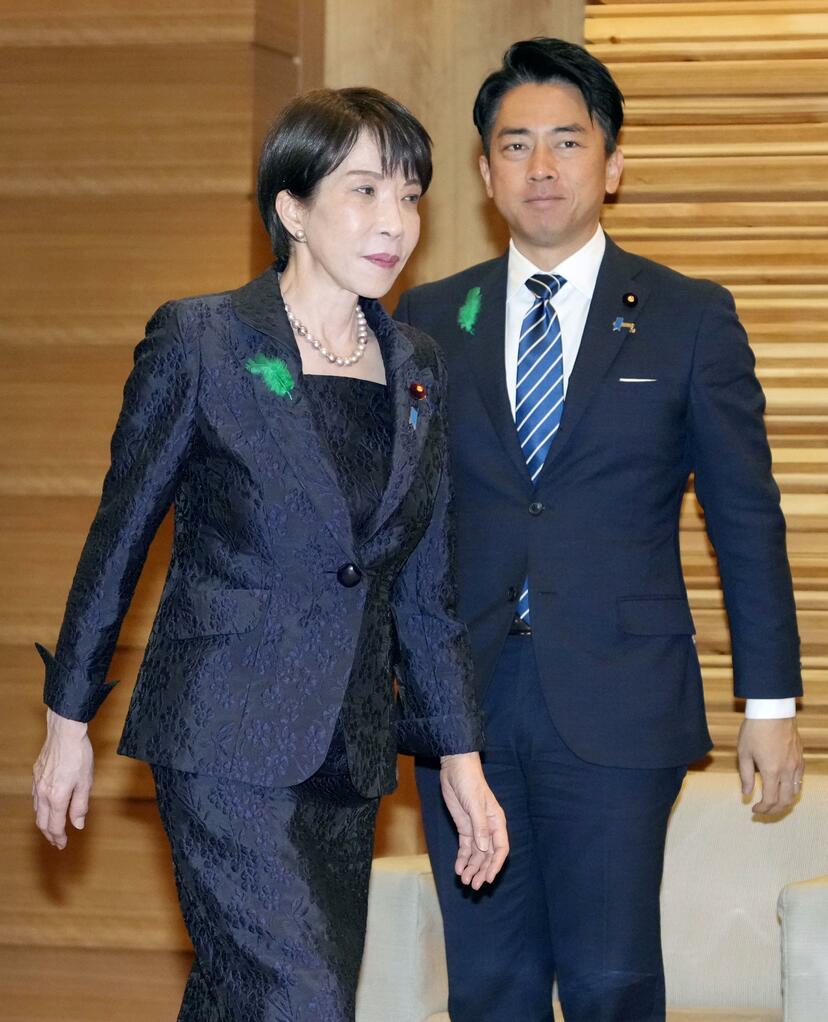
With this amendment, transfers of all defence equipment will in principle become possible, Takaichi said, adding that “recipients will be limited to countries that commit to use in accordance with the UN Charter.”
“In an increasingly severe security environment, no single country can now protect its own peace and security alone, making it necessary to have partners that support each other in areas including defense equipment.”
Sanae Takaichi
While the revisions in principle prohibit the export of arms to countries where conflict is taking place, they do allow for exceptions “in special circumstances” that take into consideration Japan’s security needs and US military operations in the Indo-Pacific region.
At least 17 countries will be eligible to buy weapons manufactured in Japan under the changes. The list may be expanded if more countries enter into bilateral agreements with Japan.
According to Japan’s Ministry of Defence, countries interested in buying Japanese-made weapons include Australia, New Zealand, the Philippines and Indonesia, which recently signed a major defence pact with the United States.
READ ALSO: ECG MD Apologizes for Recent Power Fluctuations, Pledges Urgent Reforms