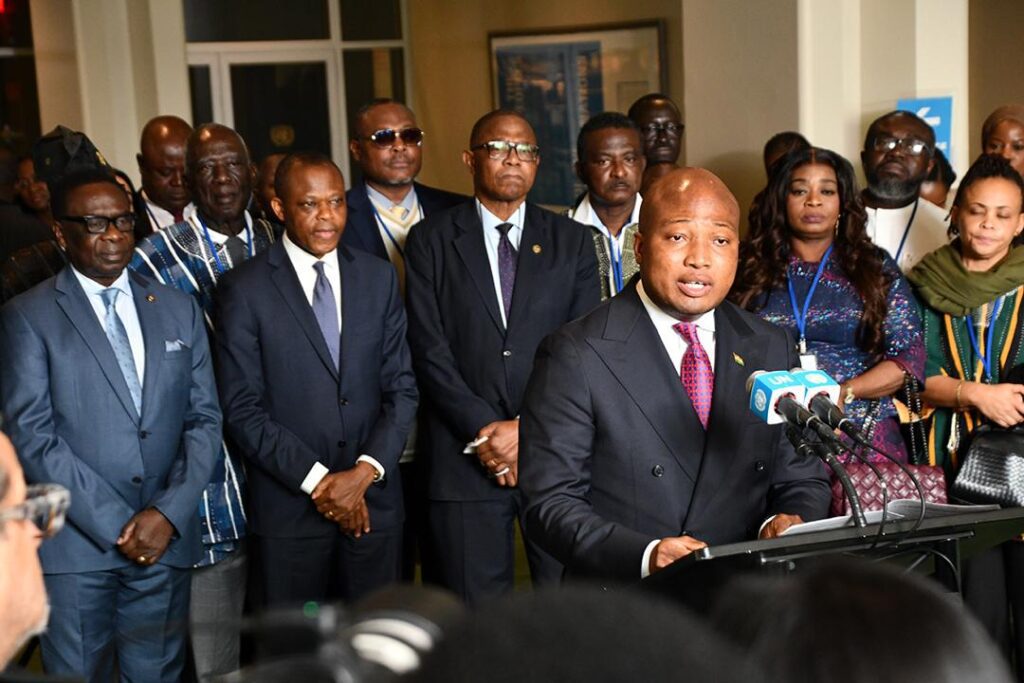
Ghana is set to host a major international conference on reparatory justice following the adoption of a historic United Nations General Assembly resolution declaring the trans Atlantic enslavement of Africans as the gravest crime against humanity.
The high-level conference, scheduled for June 17 to 19, 2026, in Accra, is expected to bring together global leaders, policymakers, scholars, and activists to chart the next phase of the reparations agenda.
The resolution, which secured overwhelming support from 123 UN member states, marks a significant turning point in global recognition of the historical injustices linked to slavery and colonial exploitation.
It formally acknowledges the scale and impact of the trafficking of enslaved Africans and racialised chattel enslavement, setting a new foundation for international dialogue on justice and redress.



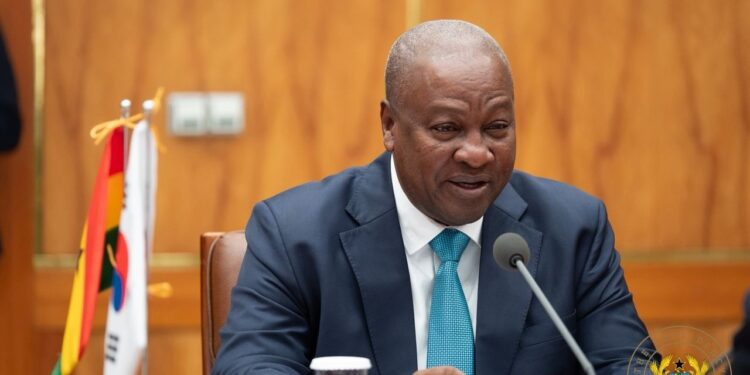
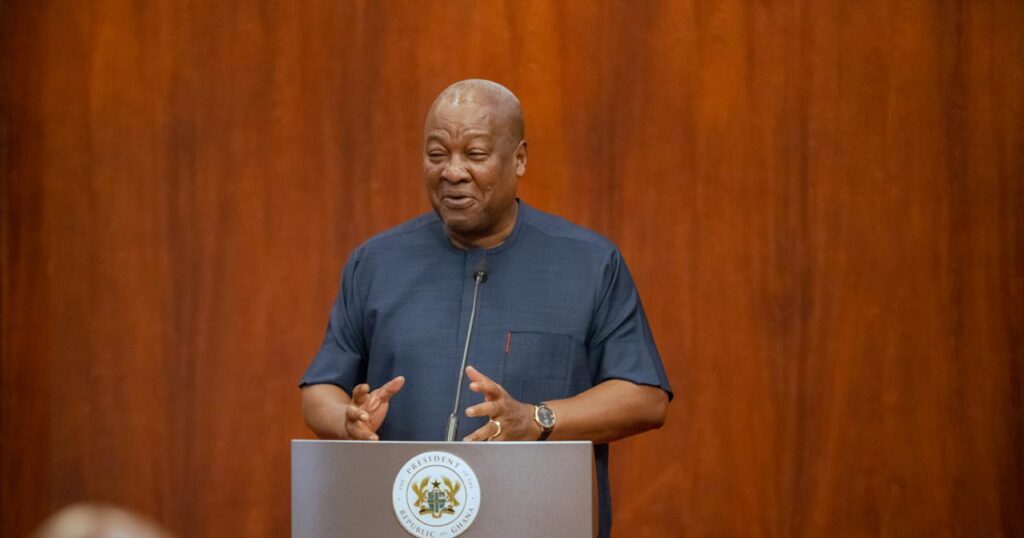
Ghana’s decision to host the follow up conference underscores its growing leadership role in advancing the reparations discourse, particularly under the stewardship of President John Dramani Mahama, who also serves as the African Union Champion for Reparations.
Ghana’s Strategic Role in Reparatory Justice
According to a statement from the Ministry of Foreign Affairs, the upcoming High Level Next Steps Conference is designed to sustain the momentum generated by the UN resolution by moving discussions from recognition to implementation.
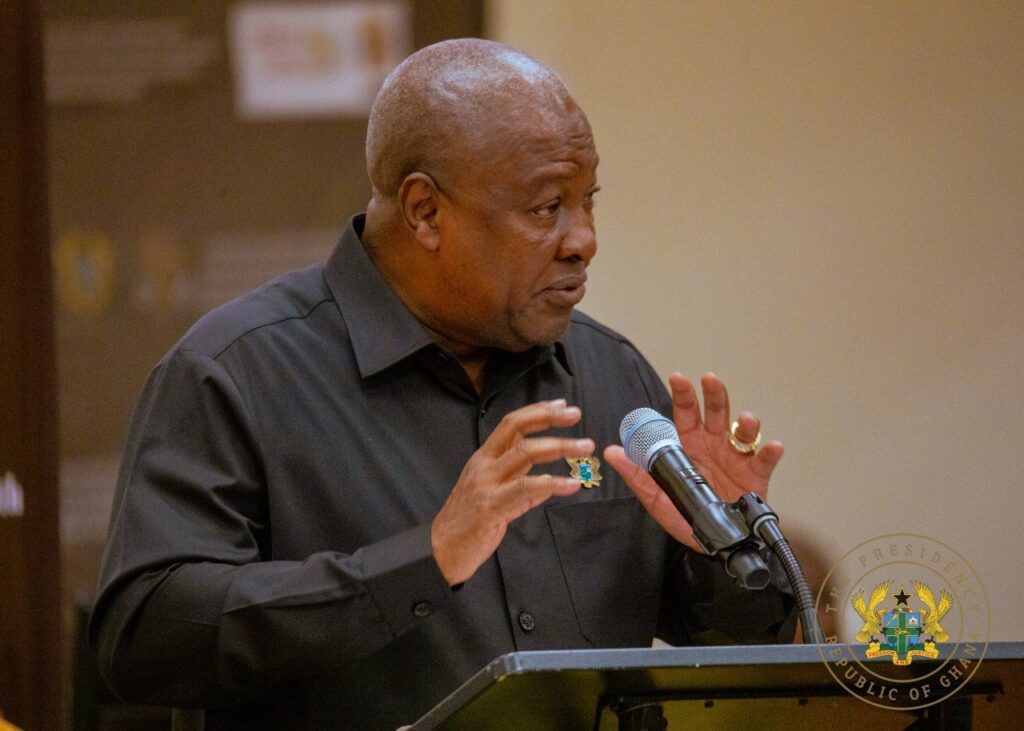
The conference will provide a platform for participating countries and stakeholders to engage in structured dialogue aimed at translating the resolution into practical and coordinated actions.
It is expected to focus on developing a shared global framework that outlines policy approaches, institutional mechanisms and long term strategies for advancing reparatory justice.
By convening this gathering, Ghana is positioning itself as a central actor in shaping the global conversation on reparations, while also strengthening Africa’s collective voice on the issue.
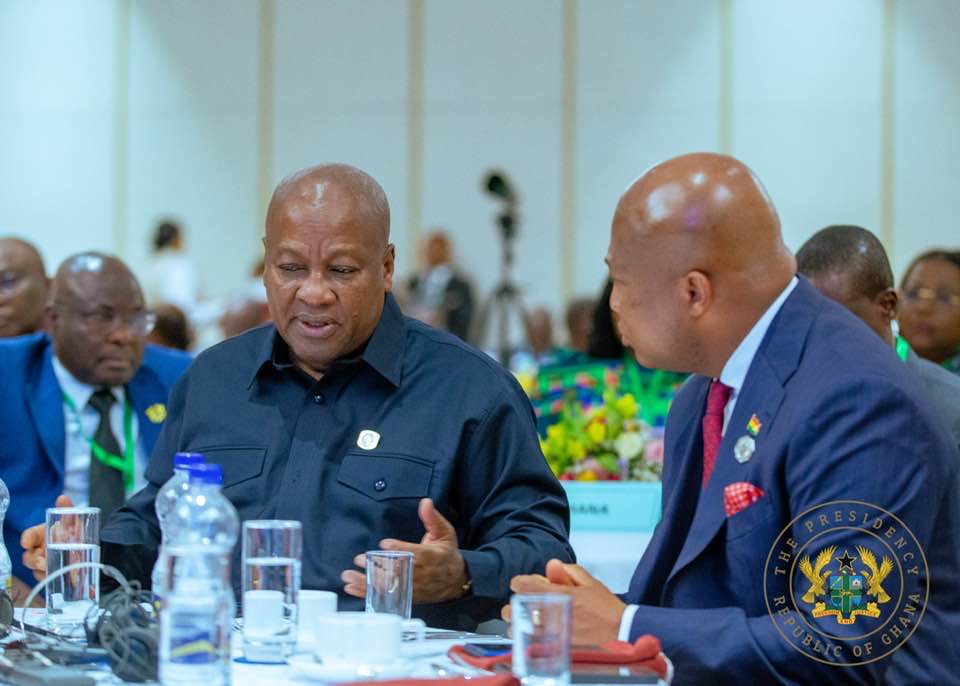
The Ministry noted that the conference will bring together heads of state and government, foreign ministers, academics, historians, legal experts and representatives of international organisations, all contributing diverse perspectives to the evolving discourse.
From Recognition to Action
A key objective of the conference is to bridge the gap between symbolic acknowledgment and tangible outcomes. While the UN resolution represents a milestone in global awareness, stakeholders now face the challenge of converting that recognition into actionable commitments.
Discussions during the conference are expected to focus on creating a unified approach that aligns national and international efforts. This includes identifying pathways for compensation, restitution, and development initiatives that address the long term effects of historical injustices.
The outcome document from the conference is anticipated to outline recommendations and forward looking strategies that can guide future engagements at both continental and global levels. These recommendations are expected to serve as a blueprint for sustained international collaboration.
Strengthening Global Partnerships
Beyond policy discussions, the conference aims to deepen collaboration among participating states and strengthen ties between Africa and the global diaspora. The involvement of international partners and diaspora communities is seen as critical to advancing the reparations agenda.
The Ministry emphasized that the conference will create opportunities for meaningful engagement with stakeholders whose historical and cultural connections to the issue remain central to the conversation.
By fostering dialogue across regions and sectors, the event is expected to build consensus and reinforce a unified position within the international system.
Historic Juneteenth Commemoration
A significant highlight of the conference will be the first ever Juneteenth commemoration to be held at the Christiansborg Castle in Osu. This historic site, which played a role in the trans Atlantic slave trade, provides a powerful setting for reflection and remembrance.
The commemoration, to be held in collaboration with African communities in the United States, is expected to serve as a symbolic and emotional culmination of the conference. It will offer participants an opportunity to reflect on the historical context of slavery while reinforcing the broader goals of healing, recognition and justice.
Organisers believe that this event will not only honor the memory of those affected by slavery but also strengthen the shared commitment to addressing its enduring legacy.
Africa’s Voice on the Global Stage
The conference is also expected to play a critical role in consolidating Africa’s position within the global reparations movement. By bringing together leaders and experts from across the continent, Ghana aims to facilitate a coordinated approach that reflects Africa’s collective interests.
This unified stance is seen as essential for influencing international policy and ensuring that the perspectives of affected communities are adequately represented.
The Ministry indicated that the outcomes of the conference will contribute to shaping a coherent African position that can be advanced in future global engagements.
Looking Ahead
As preparations continue, expectations are high that the High Level Next Steps Conference will mark a defining moment in the global pursuit of reparatory justice. The event represents an opportunity to move beyond dialogue and toward concrete actions that address the enduring consequences of historical injustices.
Ghana’s role as host reflects its commitment to leading this effort and fostering international cooperation on one of the most significant moral and historical issues of the modern era.
With global attention focused on Accra, the conference is poised to set the tone for the next phase of the reparations agenda, providing a roadmap for collective action and sustained engagement.
The Ministry of Foreign Affairs has encouraged stakeholders and interested participants to access further details on registration and participation through its official platforms.
As the world continues to grapple with the legacy of slavery, Ghana’s initiative signals a renewed commitment to justice, remembrance and reconciliation.
READ ALSO: The Chronology of Ghana’s Energy Crisis