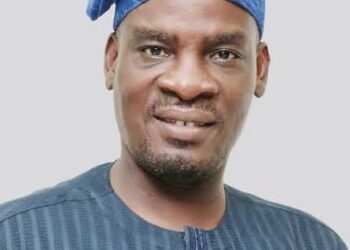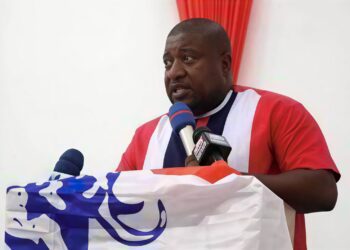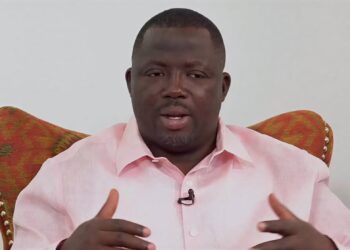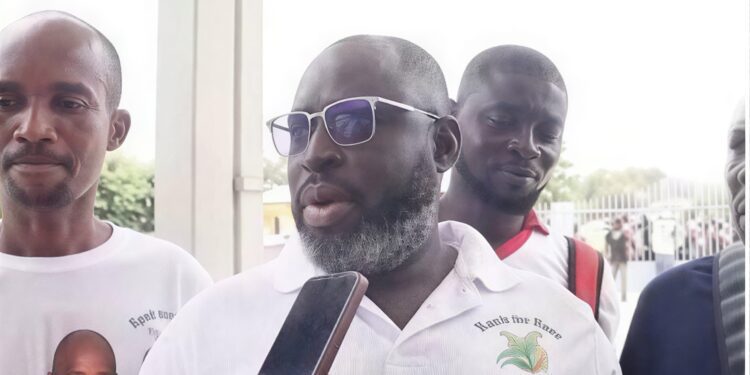
Worlase Kpeli has demanded a comprehensive overhaul of the national examination system. The Independent Member of Parliament for Afram Plains North highlighted the psychological trauma students face during these periods.
He explained how the current educational structure has turned final assessments into a seasonal burden. Candidates feel immense pressure to succeed, which forces many into dishonest practices and misconduct.
The MP described the harrowing journeys his constituents endure just to reach examination centres. Some Junior High School pupils travel by boat for up to eight hours to access their designated halls.
These students require housing and feeding for a full week during the testing period. The District Assembly often lacks the resources to support these displaced learners.
Kpeli noted that he provided essential materials, including mathematical sets, to over seven hundred pupils this year. He funded these items personally to ensure every child has a fair chance at success.
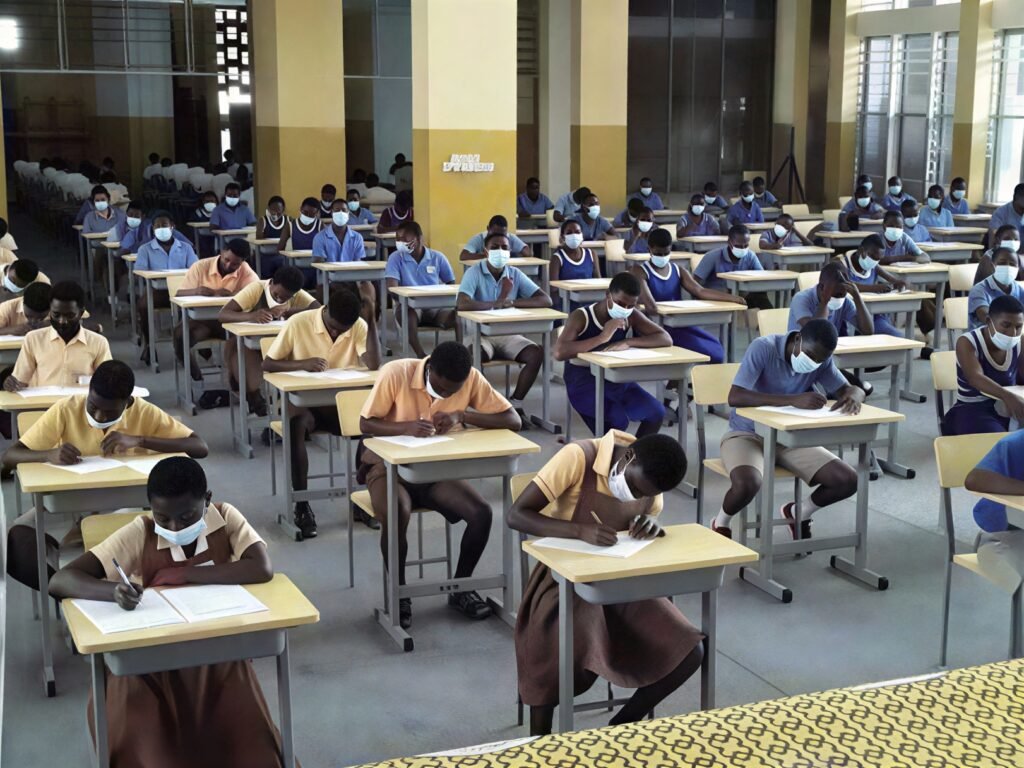
He lamented the heavy reliance of the Ghana Education Service on local assemblies for logistics, explaining that these offices often struggle with limited resources, leaving the burden on individual representatives.
He proposed that the government provide targeted funding for districts with difficult ground, noting that such support would ease the strain on students who must travel across water bodies.
The discussion then shifted to the history of examination leaks and the rise of commercialised cheating. Honourable Kpeli observed that past generations focused on studying likely questions rather than purchasing prepared answers.
He recalled a time when teachers in rural areas simply sought guidance from colleagues in urban centres to better understand the syllabus and adequately prepare students.
However, he noted that current trends show a troubling shift, with some schools demanding financial contributions from parents to bribe invigilators. This, he said, has transformed a once-sacred academic process into a profitable enterprise for unscrupulous individuals.
“What kind of educated people are we producing in such a regime, where students do not care about using their minds? They now just want to get the answers, go and write, and leave. To the extent that students even beat up invigilators and teachers who do not allow them to cheat.”
Honourable Worlasi Kpeli
He also insisted that society is collectively complicit in fostering this culture, as parents and teachers often prioritise high grades over genuine knowledge acquisition.
Kpeli Raises Alarm Over Psychological Impact Of Exam Culture
The Independent MP also argued that the nation is producing graduates who rely on “copy and paste” methods, warning that posterity will judge current leaders for failing to protect academic integrity.
He stated that many schools now treat high pass rates as marketing tools to attract tuition-paying parents.
This commercial pressure, he said, drives some teachers to provide answers to students before examinations.
Kpeli shared a personal experience involving his daughter, who attended a private primary school and consistently scored above ninety per cent in all subjects.
Growing suspicious, he tested her understanding of basic concepts and discovered that her actual knowledge did not reflect her high scores.
Further investigation revealed that the school proprietor had instructed teachers to teach specific answers to examination questions, ensuring artificially high performance and preventing parents from withdrawing their children.
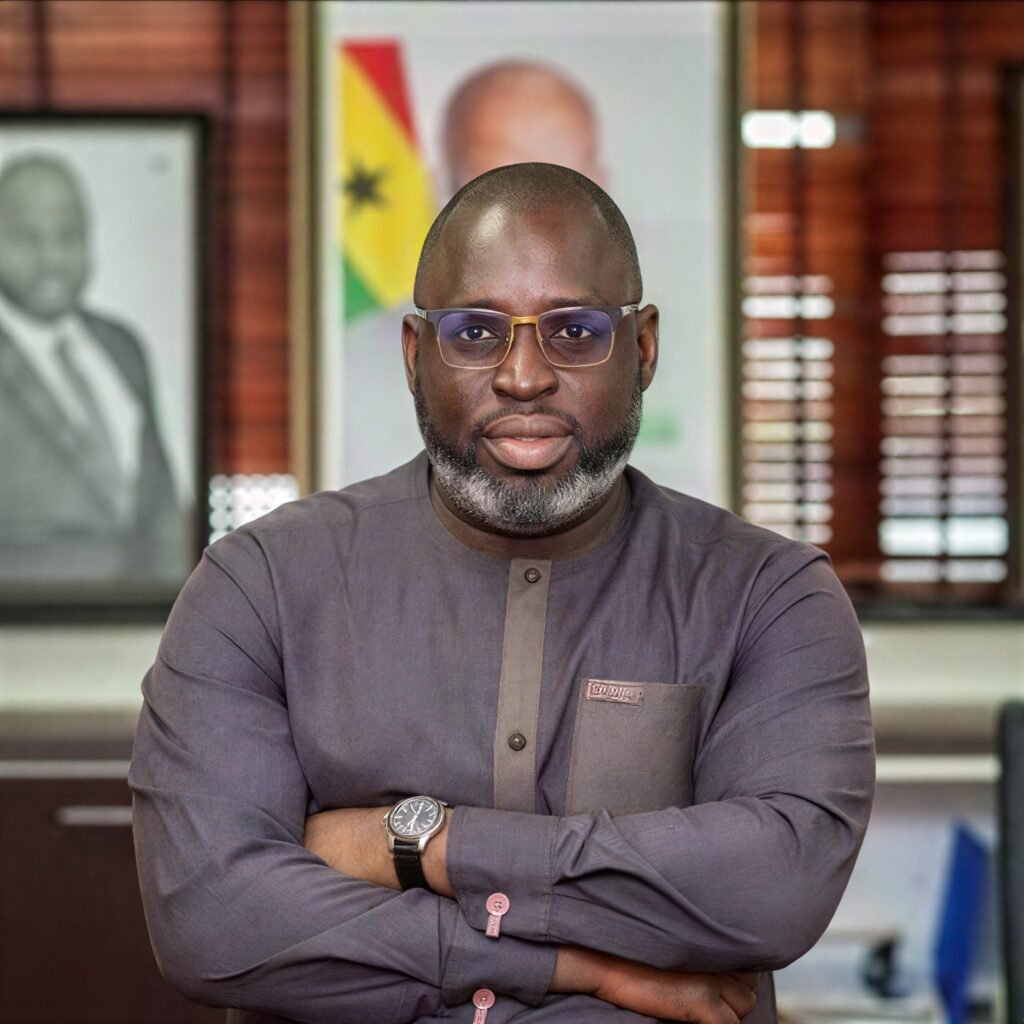
In response, Honourable Kpeli transferred his daughter to another school to secure a more honest education. He believed this example illustrates how the system rewards performance over genuine understanding.
He also advocated for the removal of rigid assessment schedules at the basic school level, arguing that students should feel free to attempt tasks without the fear of failure.
Kpeli noted that the atmosphere across the country becomes tense during examination periods, adding that even the general environment feels heavy for young candidates.
He called for a comprehensive psychological reorientation to reshape how examinations are perceived in Ghana, stressing the need to move away from treating them as high stake rituals that encourage cheating.
“Schools must reduce the tendency to portray examinations as a demon that students must confront within the education system. I think that kind of posture pushes both students and teachers into negative competition, where they feel compelled to succeed by any means, at any cost.”
Honourable Worlasi Kpeli
The Honourable urged authorities to study educational models in East Africa, suggesting that lowering the stakes of examinations could help curb the growing industry around exam leaks.
He maintained that the current system presents unique challenges for students in riverine areas and reaffirmed his commitment to advocating for reforms that prioritise the mental well-being of Ghanaian children.
READ ALSO: Ghana’s Criminal Justice System Must Be Overhauled – Richard Kuuire