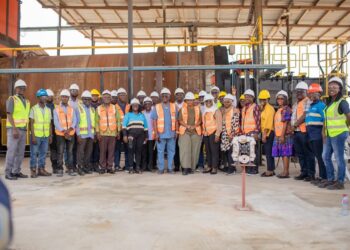
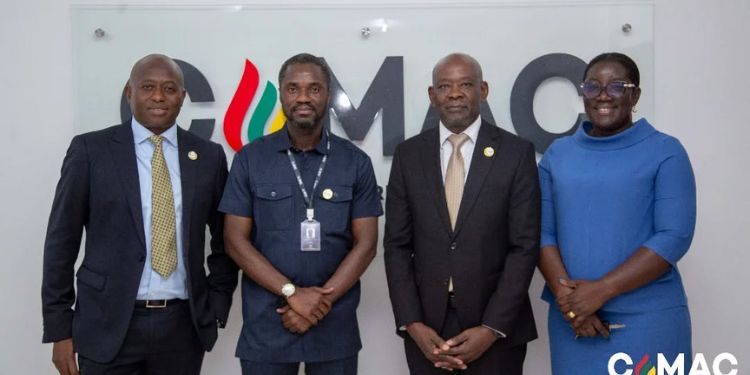
Chamber of Oil Marketing Companies (COMAC) has ramped up its strategic oversight of Ghana’s energy infrastructure through a comprehensive technical assessment of the GOIL PLC Liquefied Petroleum Gas (LPG) Bottling Plant.
This high-level working visit serves as a cornerstone of the Chamber’s broader mission to fortify the integrity of the downstream petroleum value chain, ensuring that bulk distribution and retail operations align with international safety benchmarks.
By prioritizing direct field evaluations, the organization aims to bridge the gap between regulatory theory and industrial practice, fostering a climate where operational excellence becomes the standard for all indigenous and multinational stakeholders.
“COMAC appreciates the engagement with the GOIL PLC team during the visit. Such interactions are important for knowledge sharing, strengthening industry practices, and supporting continuous improvement across the sector.”
Chamber of Oil Marketing Companies (COMAC)
This intensified effort by the Chamber is a proactive response to the evolving complexities of the West African energy landscape, where the demand for clean cooking fuels like LPG necessitates more rigorous safety oversight.
During the inspection of the GOIL facility, the delegation meticulously analyzed the end-to-end bottling cycle, paying close attention to the technological integration of real-time monitoring systems that streamline the filling process while mitigating human error.
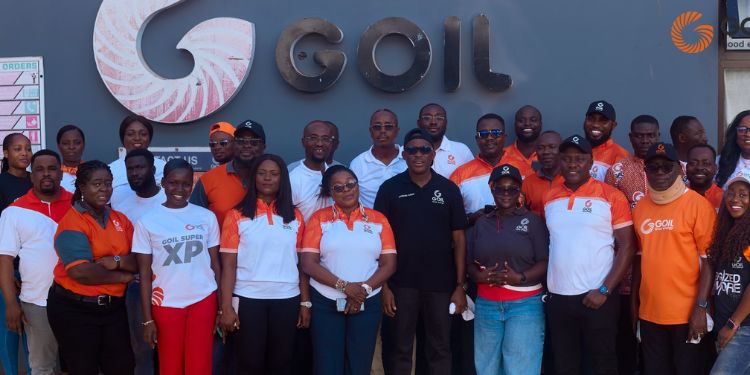
This engagement underscores the importance of public-private synergy in the energy sector; by scrutinizing everything from cylinder structural integrity to final dispatch protocols, COMAC is effectively championing a “safety-first” philosophy that protects both the workforce and the end-consumer from the inherent risks of volatile hydrocarbon handling.
The Imperative of Downstream Safety in a Transitioning Energy Market
In the modern energy sector, the “downstream” segment consisting of the refining, processing, and distribution of petroleum products represents the most direct point of contact with the general public.
Consequently, the necessity for stringent safety measures cannot be overstated, as any failure in the supply chain can lead to catastrophic environmental and socioeconomic consequences.
while Ghana pursues a “green transition” by encouraging a shift from solid fuels to LPG, the infrastructure must be resilient enough to handle increased throughput.
Ensuring downstream safety is not merely about preventing industrial accidents; it is about building the public trust required to facilitate a nationwide move toward cleaner energy alternatives.
The integration of advanced safety protocols acts as a safeguard for the nation’s “energy security and economic stability,” ensuring that disruptions in the fuel supply chain are minimized.
For a blogger focused on the green transition, it is clear that the sustainability of the LPG rollout depends entirely on the industry’s ability to maintain zero-incident operations.
Robust safety frameworks provide the foundation upon which technological innovations, such as automated leak detection and digital inventory tracking, can be successfully deployed to enhance overall efficiency.
Technological Integration and Operational Excellence at GOIL PLC
A standout feature of the current downstream evolution is the transition from manual oversight to digitized monitoring, a trend clearly visible at the GOIL LPG Bottling Plant.
The facility’s use of “real-time monitoring systems” represents a significant leap forward in operational responsiveness, allowing for immediate intervention if pressure variances or equipment anomalies are detected.
This technological sophistication ensures that every cylinder reaching a Ghanaian household has undergone a rigorous, data-backed quality control process.
The shift toward such “well-structured approaches” in bottling and dispatch is essential for maintaining the purity of the product and the physical safety of the distribution network.
Furthermore, the “clear emphasis on safety culture” observed by the Chamber suggests that hardware upgrades are being matched by human capital development.
Staff adherence to rigorous procedures and the consistent use of specialized protective equipment indicate that safety has been internalized as a core corporate value rather than a mere regulatory checklist.

Fostering Industry Collaboration for Sustainable Development
The collaboration between COMAC and industry leaders like GOIL PLC is a testament to the power of “knowledge sharing” in driving the petroleum sector forward. These working visits allow for the cross-pollination of ideas, where best practices observed at one facility can be adapted and implemented across the entire membership of the Chamber.
This collective approach to safety ensures that the Ghanaian downstream sector remains competitive on a global scale while adhering to the localized needs of its consumers.
Strengthening industry practices through such transparent dialogue is essential for creating a “unified front against operational hazards” that could otherwise derail sectoral growth.

Ultimately, the Chamber’s role as an intermediary and advocate for excellence provides a layer of “quality assurance that resonates throughout the energy value chain.”
As the country continues to navigate the complexities of the energy transition, the lessons learned from these operational audits will inform future policy and infrastructure investments.
The commitment shown during this visit reinforces the idea that a safe downstream sector is the backbone of a prosperous and sustainable energy economy.
By maintaining this level of intensity in their oversight, COMAC ensures that Ghana’s journey toward a more efficient petroleum market is paved with “rigorous standards and an unwavering dedication to public safety.”
READ ALSO: Cairo Condemns Attack on Khartoum Airport