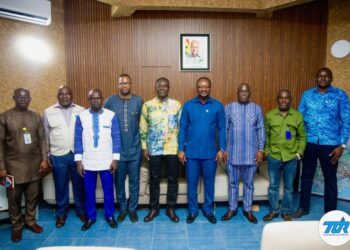
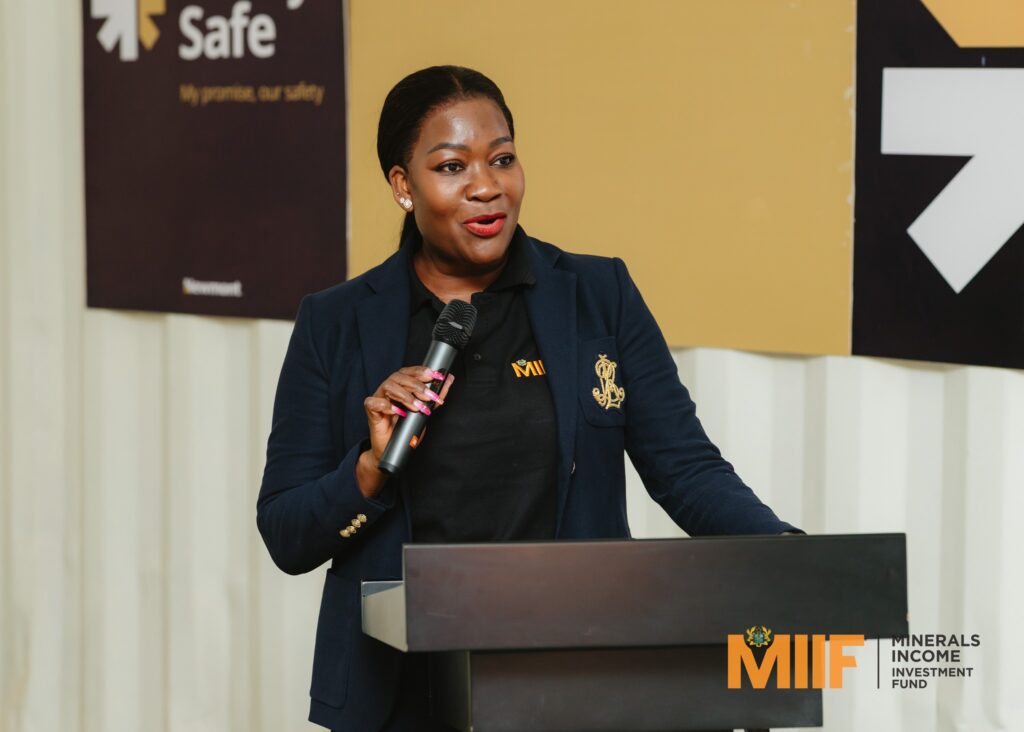
Chief Executive Officer of the Minerals Income Investment Fund (MIIF), Mrs. Justina Nelson, has lauded Newmont Corporation for its unwavering consistency in fulfilling its royalty obligations, identifying this fiscal discipline as a critical pillar for Ghana’s national revenue mobilisation.
Leading a high-powered delegation to the Ahafo North Mine, the CEO highlighted that Newmont’s transparency in financial reporting and prompt payments provide the necessary liquidity for the Fund to execute its mandate of managing the country’s mineral wealth.
This commendation comes at a time when MIIF is intensifying its oversight of the extractive sector to ensure that the state receives its fair share of mineral proceeds to drive sustainable economic growth.
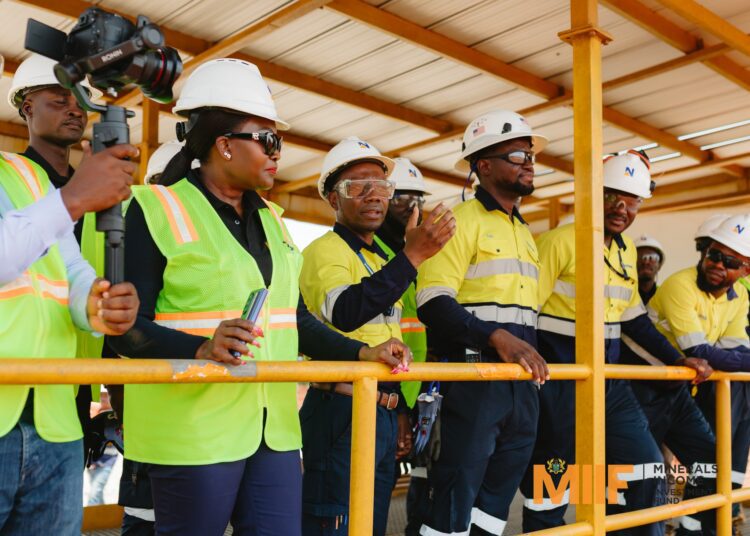
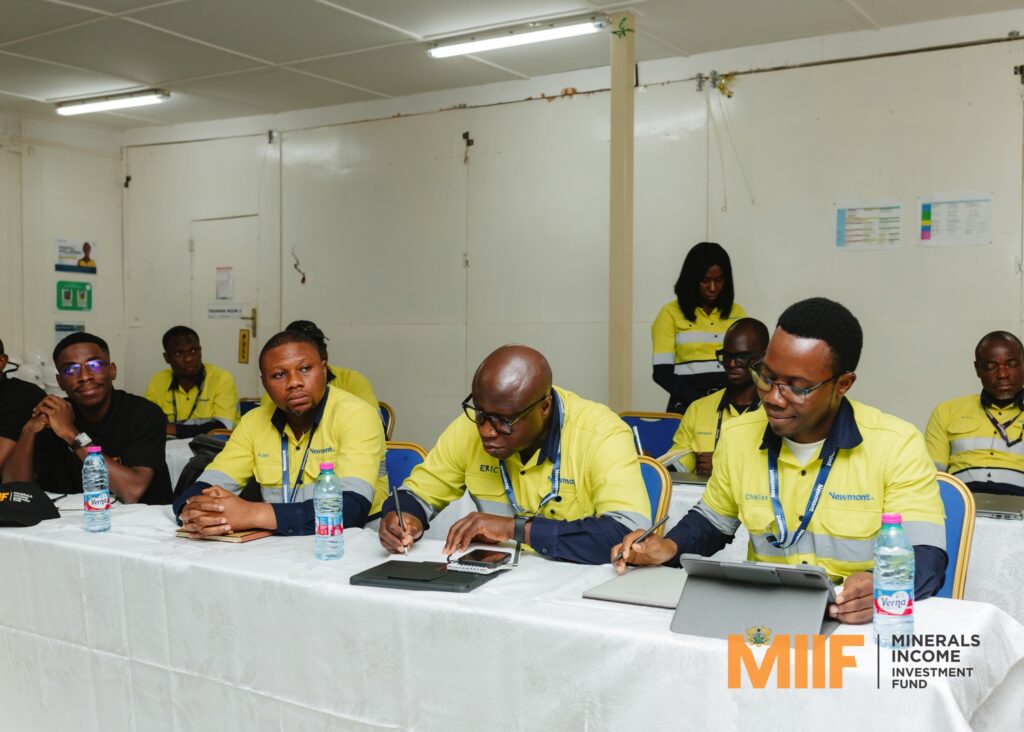
“The visit formed part of MIIF’s stakeholder engagement programme and efforts to strengthen ties with mining companies. Mrs Nelson, accompanied by MIIF’s Chief Technical Officer, Mr Kwabena Barning, and other senior officials, toured the site and held discussions with Newmont’s management on operations, royalties, safety and environmental performance.”
Minerals Income Investment Fund (MIIF)

The working visit, which included MIIF’s Chief Technical Officer, Mr. Kwabena Barning, and other senior officials, served as a platform to inspect the Ahafo North operations and strengthen the bilateral relationship between the regulator and the mining giant.
During the tour of the facility, which poured its first gold in September 2025, the delegation engaged in technical discussions regarding the mine’s operational efficiency, safety protocols, and environmental impact.
Mrs. Nelson noted that the fund is moving beyond a mere collection role, seeking to foster strategic alliances that ensure mining activities translate into long-term value for all stakeholders.
The visit also allowed the MIIF team to verify production data firsthand, ensuring that the royalty streams remain aligned with the mine’s impressive performance and its projected 14-year lifespan.
Operational Excellence and Community Integration
The General Manager of the Ahafo North Mine, Mr. Charles Bissue, disclosed that the project has been a recipient of significant capital investment, targeted not only at extraction technology but also at the provision of critical infrastructure and social amenities for the surrounding communities.
A notable highlight of the mine’s integration into the local landscape was the successful diversion of a public road that previously intersected the operational area. This complex logistical feat was achieved through “collaboration with government agencies, traditional leaders, and local communities,” ensuring that mining activities do not disrupt regional transit while maintaining site security.
Newmont’s officials guided the MIIF delegation through various active pits and processing sections, illustrating the current production trajectory and the potential for future expansion.
Mr. Bissue noted that the mine’s performance has been so robust that projections now suggest its operational lifespan could extend significantly beyond the initial 14-year estimate.
This longevity provides a stable horizon for the government to project its mineral income, allowing MIIF to better manage the Sovereign Minerals Fund and other strategic investments aimed at diversifying Ghana’s economic base.
Safety Standards and Environmental Stewardship
In terms of workplace safety, the company reported an exemplary record for the 2026 calendar year, with no significant safety incidents or reportable injuries documented to date.
Management attributed this “phenomenon” to the rigorous implementation of advanced safety systems, including the mandatory conduct of daily risk assessments and pre-shift briefings that empower workers to identify and mitigate hazards in real-time.
This culture of safety is viewed by MIIF as a prerequisite for any sustainable mining partnership, as it protects the human capital essential to the industry’s success.
Environmental conservation efforts were also a focal point of the visit, with Newmont outlining its comprehensive monitoring of air and water quality.
The company has integrated waste management and land reclamation into its core operations, evidenced by the cultivation of more than 30,000 seedlings destined for the revegetation of disturbed lands.
Both MIIF and Newmont acknowledged the persistent challenges facing the sector, most notably the threat of illegal mining and the necessity for robust site security, concluding the visit with a renewed commitment to “transparency and responsible mining practices” that align with international benchmarks.
The Macroeconomic Impact of Mineral Royalties
The consistent payment of royalties by large-scale miners like Newmont remains the lifeblood of Ghana’s fiscal stability.
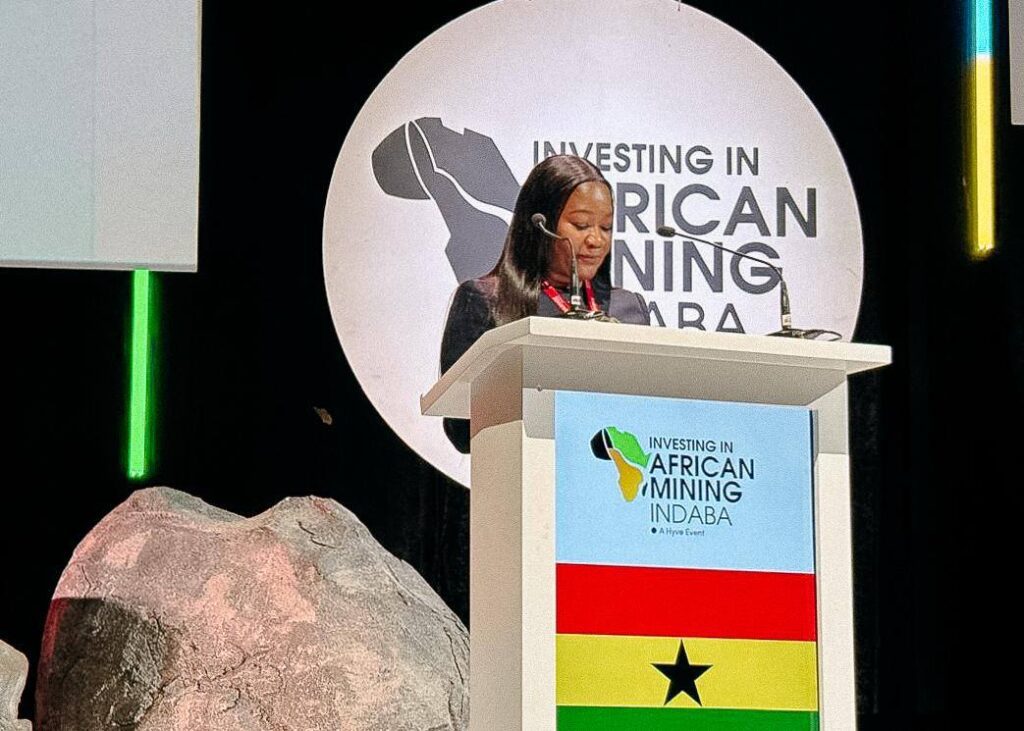
As of 2026, the strategic management of these funds by MIIF has allowed the state to bridge critical infrastructure gaps and support the stabilization of the Cedi through increased foreign exchange inflows.
Mineral royalties are unique because they are based on gross revenue rather than profit, providing a predictable and non-volatile income stream for the government even during periods of fluctuating operational costs.
According to recent economic data, the mining sector’s contribution to Ghana’s GDP has remained significant, with royalties alone funding a substantial portion of the Minerals Development Fund (MDF).
These funds are frequently earmarked for local government authorities to undertake developmental projects in mining-impacted areas, such as the Ahafo Region.
By ensuring that companies like Newmont adhere strictly to their payment schedules, MIIF facilitates a “multiplier effect” where mineral wealth is reinvested into education, healthcare, and road infrastructure, ultimately reducing the nation’s reliance on external debt and fostering a self-sustaining economic environment.
READ ALSO: Suspected Nigerian Drug Syndicate Figure Held in Switzerland