

The Ghana Leather and Footwear Manufacturers Association (GLFMA) has petitioned the Ghana Standards Authority (GSA) to enforce minimum durability standards on imported footwear to curb the influx of substandard synthetic products.
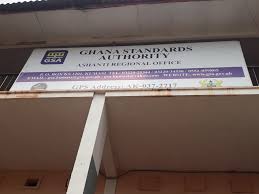
The Association submitted a formal grievance through the GSA Ashanti Regional Office in Kumasi, marking a decisive escalation in the struggle to protect domestic manufacturing from predatory international trade practices.
This petition is a direct challenge to the regulatory frameworks that allow disposable, low-quality commodities to undermine the economic and environmental health of the Ghanaian market.
“Addressed to the Director-General through the Regional Office, the petition highlights concerns over the influx of substandard imported synthetic footwear into the Ghanaian market. The GLFMA claims that although marketed as durable, these products often fail within weeks of use, leaving consumers out of pocket”
Ghana Standards Authority
For years, the domestic leather industry has operated under the shadow of fast fashion imports that prioritize low production costs over functional longevity. The GLFMA argues that the current market environment is skewed in favor of these synthetic imports, which are often marketed with deceptive claims of durability.
In reality, these products are frequently designed for short life cycles, failing within weeks of heavy use in Ghana’s rigorous tropical climate. Bringing this issue to the doorstep of the GSA, the local manufacturers are demanding an end to the era of “cheap shoes, costly problems,” insisting that the state fulfill its mandate to ensure that every product sold on the Ghanaian market is fit for purpose.
The core of the GLFMA’s argument rests on the principle of fair competition. Local leather artisans and industrial footwear producers are required to adhere to high craftsmanship standards and utilize durable, often biodegradable materials.
These processes involve higher overheads and a commitment to quality that cannot be matched by the manufacturers of mass-produced synthetic shoes.
When the market is flooded with artificially low-priced imports, the economic floor is pulled out from under domestic businesses. This price undercutting is not a result of superior efficiency but is instead a consequence of utilizing substandard materials that do not meet the basic requirements of the Ghanaian consumer.
This market distortion has a cascading effect on the national economy, as domestic manufacturers struggle to compete with “disposable” imports, the incentive for investment in local leather tanning and footwear design diminishes.
The GLFMA believes that forcing imported footwear to meet the same durability benchmarks as locally produced leather goods is the only way to restore balance and effectively eliminate the unfair advantage currently enjoyed by manufacturers of substandard synthetics.
Environmental Toll
Beyond the economic fallout, the GLFMA highlighted a growing environmental catastrophe tied to the footwear trade. Unlike traditional leather, which is biodegradable, the synthetic polymers used in substandard imports are notoriously resistant to decomposition.
When these shoes fail after only a few weeks of use, they are discarded in massive quantities, ending up in drainage systems, gutters, and unregulated landfill sites across major urban centers like Kumasi and Accra.
During the rainy season, this non-biodegradable debris contributes significantly to urban flooding, as the discarded soles and synthetic uppers block vital waterways. The environmental cost of these imports is currently being socialized – borne by the taxpayer and the municipality – while the private importers reap the profits of the initial sale.

The Association’s petition demanded that the GSA recognize durability as an environmental standard, establishing a minimum lifespan for footwear to reduce the sheer volume of solid waste generated by the sector.
For the GLFMA, the proposal for stringent physical inspections at the border is a logistical necessity to ensure that shipments are not just checked for paperwork, but for the actual material integrity required to withstand the heat, humidity, and terrain of the Ghanaian environment.
“Climate and usage requirements” were the technical focus of the petition. The GLFMA asserted that a shoe that might last six months on a temperate, paved sidewalk in Europe or Asia may last only six days in the rural markets of the Ashanti Region. The Association is therefore pushing for a standard that specifically accounts for these variables.
Such a move would require the GSA to expand its market surveillance and testing capabilities. The GLFMA expressed its willingness to collaborate with the Authority to define these technical benchmarks, leveraging its expertise as master leatherworkers and industrial producers.
Through implementing these checks at the point of entry, the GSA can prevent substandard goods from ever reaching the retail shelf, saving consumers from the financial loss of purchasing products destined for the trash heap. The Association sees this proactive approach to trade regulation as the only sustainable path forward for a country that is serious about industrializing its manufacturing base.
The petition was received in Kumasi by the Ashanti Regional Manager, acting as the bridge between the regional manufacturers and the national leadership in Accra. He outlined the Authority’s remit in standards development and market surveillance.

The document has been forwarded to the Director-General for a formal review and a decision on the proposed reforms. The outcome of this petition will be a significant indicator of how the state intends to balance free trade with industrial protectionism.
READ ALSO: Ghana Remains Well Positioned for Energy Investment – Hamis Ussif