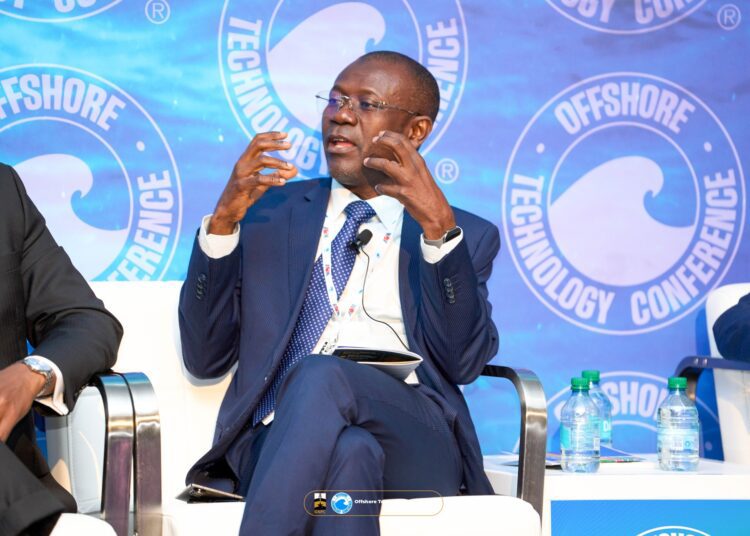
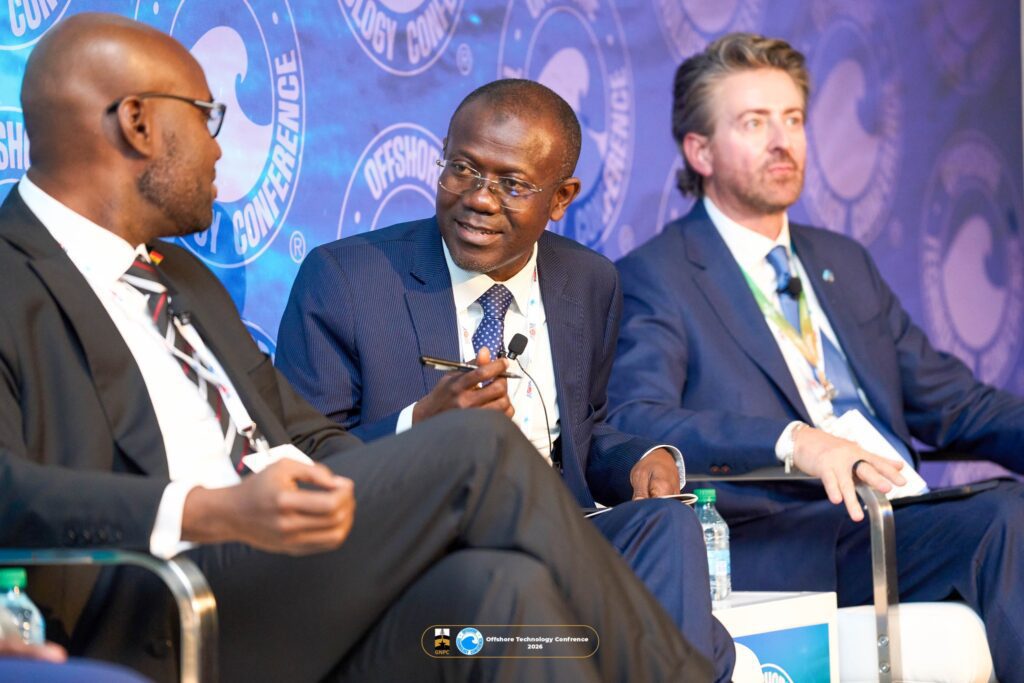
Hamis Ussif, the Deputy Chief Executive Officer in charge of Finance for the Ghana National Petroleum Corporation (GNPC), has asserted that the West African nation maintains a robust and strategic posture for international energy capital.
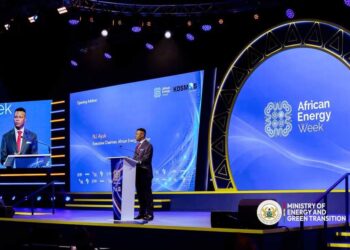
Addressing a high-level audience at the Africa Energy Forum during the 2026 Offshore Technology Conference (OTC) in Houston, the Deputy CEO emphasized that the sovereign state has cultivated an environment where the dual objectives of national development and commercial profitability coexist harmoniously.
This positioning is central to the country’s broader strategy to leverage its hydrocarbons and emerging green energy potential to drive industrialization while offering attractive returns to global partners who participate in the local value chain.
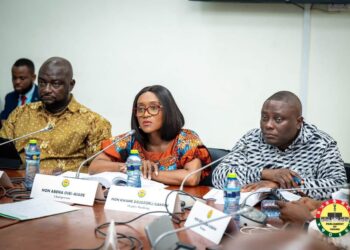
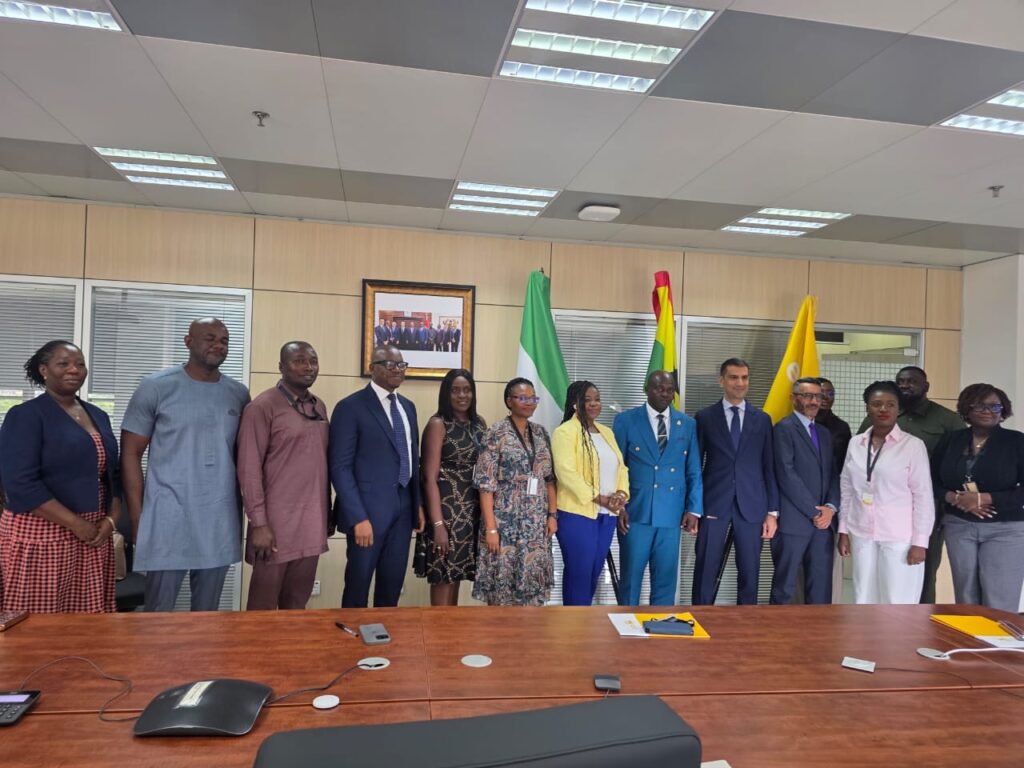
“The session brought together industry leaders, policymakers, and stakeholders from across the energy sector, with participation from Ghana’s Ambassador to the United States, members of Parliament’s Select Committee on Energy, and agencies including GIPC, TOR, and NPA as Ghana continued engagements aimed at promoting opportunities within the country’s energy sector.”
GNPC

The GNPC Deputy CEO further articulated that the Corporation has successfully refined its operational model to function with the commercial agility typical of a private joint venture partner without sacrificing its core mandate to the people of Ghana.
By maintaining this delicate balance, the national oil company provides a stable and predictable framework for fiscal engagement, which is a critical determinant for investors navigating the complexities of the African energy landscape.
The Houston session served as a pivotal platform for Ghana to showcase its regulatory maturity and the collaborative efforts of its key institutions, including the Ghana Investment Promotion Centre (IPC), the Tema Oil Refinery (TOR), and the National Petroleum Authority (NPA).
These agencies, supported by members of Parliament’s Select Committee on Energy and the Ghanaian Ambassador to the United States, formed a united front to demonstrate that the legislative and executive arms of government are aligned in their commitment to protecting and growing foreign direct investment.
Strategic Imperatives for Capital Inflow in Ghana’s Energy Landscape
The necessity for sustained investment in Ghana’s energy sector is rooted in the country’s ambitious transition goals and the urgent requirement to optimize existing brownfield and greenfield petroleum projects.
As the global energy discourse shifts toward decarbonization, Ghana requires significant capital to integrate renewable energy solutions with its traditional thermal and hydro generation mix.
The government’s Energy Transition Framework outlines a path toward net-zero emissions, yet this journey necessitates the deployment of advanced technologies and infrastructure that can only be realized through robust international financing.
Beyond the immediate needs of power generation, the upstream and downstream petroleum sectors require fresh capital to arrest natural decline in maturing fields and to explore the untapped potential of the Voltaian Basin.
The capital-intensive nature of deep-water exploration means that Ghana must continuously refine its fiscal regime to remain competitive against other emerging basins in the Gulf of Guinea.
By attracting seasoned operators with the financial muscle to undertake high-risk exploration, the state ensures the longevity of its oil and gas revenues, which remain a cornerstone of the national budget.
Furthermore, the downstream sector offers immense opportunities in refinery modernization and the expansion of storage and distribution networks, which are essential for Ghana to function as a petroleum hub for the West African sub-region.
Investor Incentives and the Ghanaian Competitive Advantage
Investors choosing to anchor their capital in Ghana benefit from one of the most stable democratic environments in Africa, characterized by a strong adherence to the rule of law and the sanctity of contracts.
This political stability translates into a lower risk premium for long-term projects, particularly in the energy sector where payback periods can span decades.
The presence of a sophisticated regulatory body like the National Petroleum Authority ensures that the downstream market remains transparent and competitive, while the Minerals Commission and GNPC provide technical oversight that aligns with international best practices.
These institutional safeguards provide a “soft landing” for foreign firms, reducing the bureaucratic friction often associated with large-scale infrastructure investments in emerging markets.
Moreover, the geographical location of Ghana offers a strategic gateway to the Economic Community of West African States (ECOWAS), providing investors with access to a market of over 350 million people.
The African Continental Free Trade Area (AfCFTA) Secretariat, headquartered in Accra, further enhances this advantage by making Ghana the focal point for intra-African trade negotiations and logistics.
For energy investors, this means that a project based in Ghana can potentially supply power or refined products to neighboring landlocked countries or those facing acute energy deficits.
READ ALSO: Suspected Nigerian Drug Syndicate Figure Held in Switzerland