Hon. John Abdulai Jinapor, the Minister for Energy and Green Transition, has announced a landmark governmental initiative to install over 1,000 megawatts (MW) of power generation capacity within the Ashanti Regional capital.
This strategic move aims to fortify Ghana’s national grid and ensure that Kumasi transitions from a traditional commercial center into a premier energy industrial hub.
By decentralizing power production and placing significant generation assets in the middle belt of the country, the government intends to minimize transmission losses and provide the stable high-voltage electricity required to sustain large-scale industrialization and regional economic growth.
“Kumasi is becoming not just a commercial hub, it is becoming an energy industrial hub. Very soon we are going to have more than 1,000 megawatts situated here in Kumasi. So it’s a strategic location.”
Hon. John Abdulai Jinapor

The expansion project involves a multifaceted collaboration between state entities and independent power producers to diversify the local energy mix.
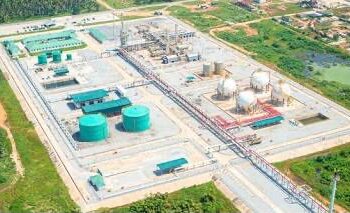
Currently, the landscape in Kumasi is shifting rapidly with the presence of AKSA Energy and the imminent arrival of CENIT Power, alongside existing infrastructure managed by the Volta River Authority (VRA).
A pivotal component of this 1,000MW roadmap includes a partnership with Avances to integrate an additional 380MW plant into the local network.
This concentrated surge in capacity is designed to create a self-sustaining energy ecosystem that can support the burgeoning manufacturing sector in the Ashanti Region while providing a secondary power base for the northern sector of the country.
Decentralization and Grid Stability
The decision to localize 1,000MW of power in Kumasi marks a paradigm shift in Ghana’s energy architecture, which has historically been concentrated in the coastal regions of Tema and Aboadze.

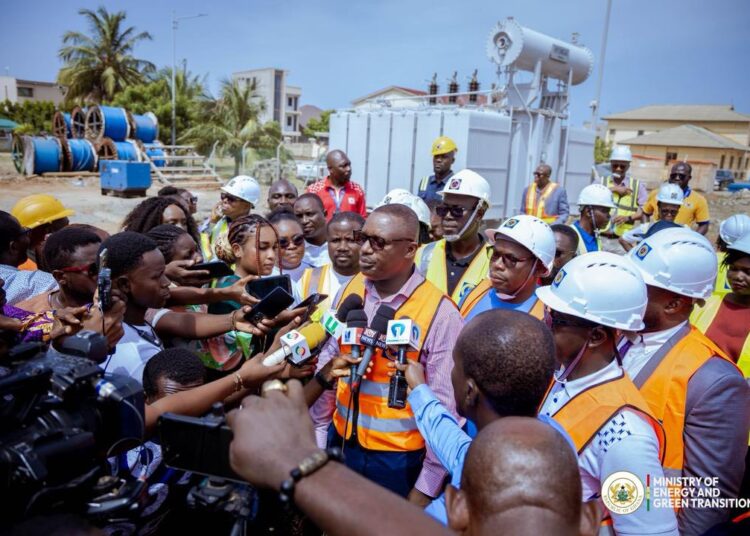
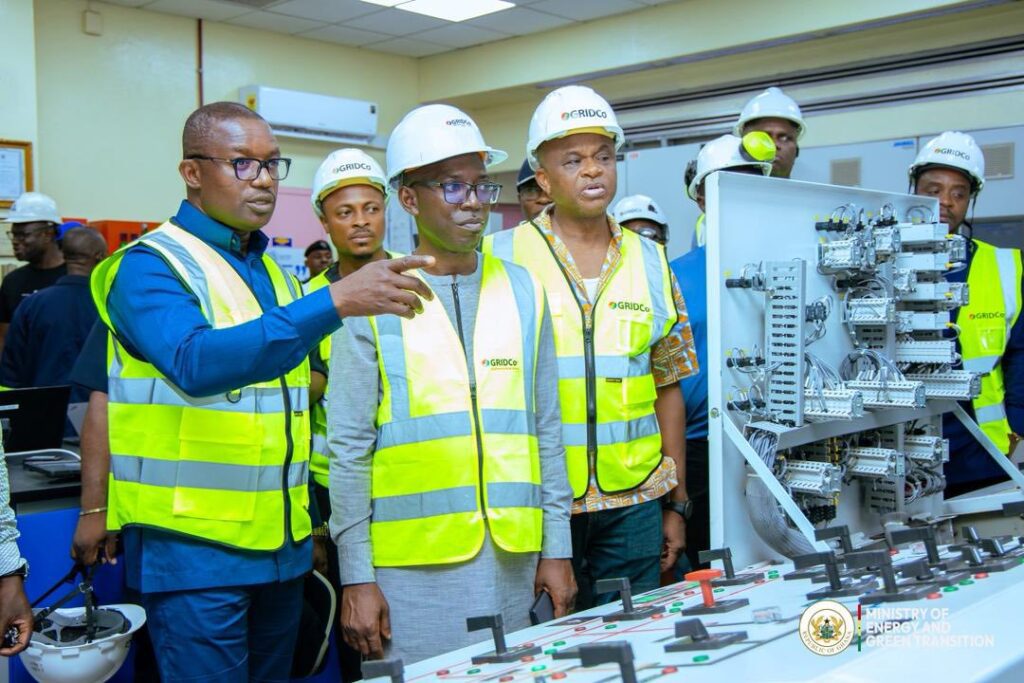
Dr. Jinapor emphasized that the ministry is “doing a lot in Kumasi” behind the scenes, including late-night inspections of the AKSA plants to ensure operational efficiency without constant media oversight.
By placing generation units closer to the load centers in the middle belt, the Ghana Grid Company (GRIDCo) can significantly reduce the phenomenon of “voltage drops” that often occur when power travels long distances from the south.
This technical enhancement ensures that businesses in Kumasi receive consistent, high-quality power, which is the “lifeblood of the modern industrial revolution” the government seeks to lead.
Industrial Transformation of the Ashanti Region
According to the Minister, the influx of players like CENIT and the expansion of VRA operations signify that the region is “becoming an industrial hub” of continental importance.
The government’s engagement with Avances to bring “another 380 megawatts” is a testament to the private sector’s confidence in the Ashanti Region’s economic trajectory.
This energy injection is expected to trigger a multiplier effect, attracting heavy machinery industries, cold chain logistics, and large-scale agro-processing plants that previously shied away from the region due to intermittent power supply.
The Minister noted that his multiple visits to the sites underscore a commitment to seeing these projects through to completion, ensuring that the “strategic location” of Kumasi is fully leveraged for national development.
Enhancing National Energy Access and Reliability
From a broader perspective, adding 1,000MW to the Kumasi enclave is a critical step toward achieving universal energy access and meeting the growing demand of a rising population.
This new capacity will act as a buffer for the national grid, providing much-needed redundancy that allows for maintenance on other plants without triggering widespread blackouts.

Furthermore, as Ghana pursues a “green transition,” the integration of modern, efficient thermal plants in the middle belt complements the nation’s hydro and solar aspirations by providing a stable baseload.
This ensures that even as the country explores renewable sources, the industrial heartland remains powered by a reliable and “strengthened energy sector” capable of driving Ghana toward its goal of becoming a net exporter of electricity to the West African Power Pool (WAPP).
In conclusion, the vision outlined by Dr. John Abdulai Jinapor reflects a proactive approach to energy security.
By transforming Kumasi into a powerhouse, the government is not only resolving local electricity challenges but is also laying the foundation for a robust, industrialized economy that can compete on a global scale.
READ ALSO: Ofosu-Adjare Weaponizes Trade Surplus For Industrial Growth