Mr Abdul Razak Baba, the Deputy Chief Executive Officer of the Ghana Investment Promotion Centre (GIPC), spearheaded a high-level business engagement in Vadodara, India, to showcase Ghana’s burgeoning potential as a premier destination for industrial and green energy investments.
Participating in a forum organized by The Circle Group, the Deputy CEO focused on solidifying trade and investment bridges between the African continent and the Indian business community.
This strategic mission aimed to present the Ghanaian economy not just as a market for finished goods, but as a robust hub for manufacturing and technological collaboration.
By engaging directly with Indian industrialists, the GIPC leadership emphasized that Ghana’s stable political climate and forward-thinking regulatory reforms provide a secure foundation for long-term capital entry, particularly in high-growth niches like renewable energy and advanced manufacturing.
“As part of the visit, the delegation toured selected manufacturing facilities operating in areas including pharmaceuticals, LED lighting, EV retrofits and charging infrastructure, power monitoring systems, and LNG processing, offering valuable insights into emerging technologies and potential areas for collaboration.”
Ghana Investment Promotion Centre (GIPC)
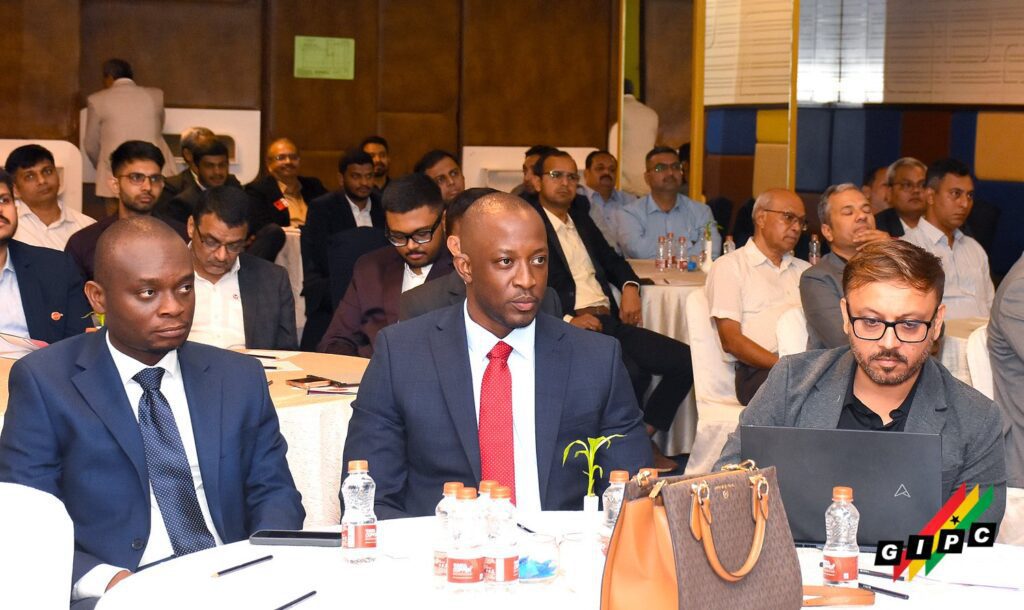
The engagement in Vadodara served as a critical platform to highlight specific ongoing improvements in Ghana’s business environment, which are designed to lower the cost of doing business and enhance investor protection.
During the visit, the GIPC delegation conducted extensive tours of specialized manufacturing facilities, gaining first-hand exposure to cutting-edge developments in pharmaceuticals, LED lighting, and electric vehicle (EV) retrofits.
The tour also encompassed units dedicated to EV charging infrastructure, power monitoring systems, and Liquefied Natural Gas (LNG) processing.
The Strategic Imperative for Energy Investment
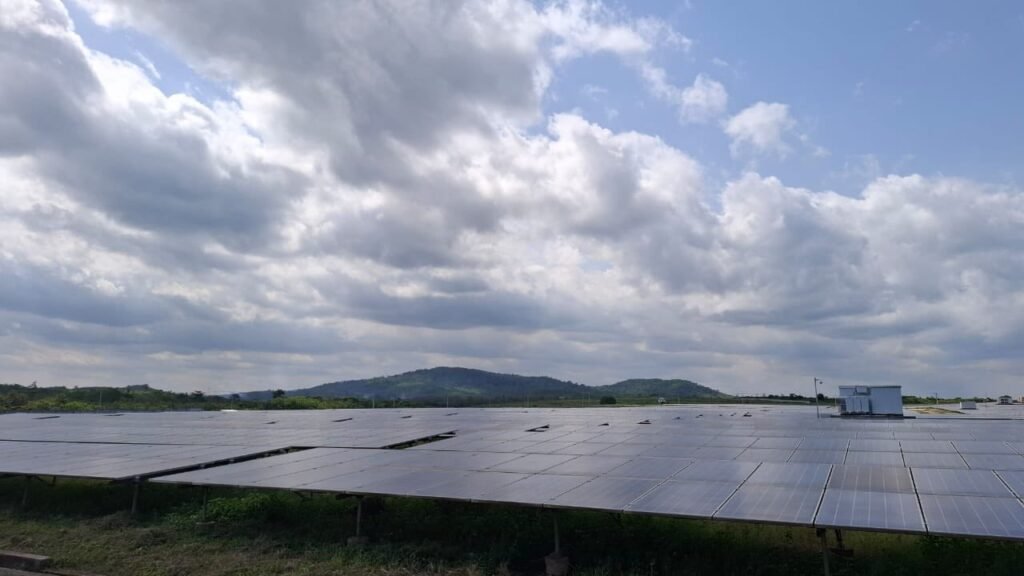
Ghana’s energy landscape is currently undergoing a transformative shift that necessitates a massive influx of private capital to meet the nation’s 2030 renewable energy targets.
The government’s drive to increase the share of renewables in the national generation mix to 10% creates a significant “investment gap” that offers high-yield prospects for developers of solar, wind, and mini-hydro projects.
These investments are essential to diversify the energy mix away from thermal dominance, thereby reducing the fiscal burden of volatile global gas prices and enhancing national energy security.
By integrating advanced LED technologies and smart power monitoring systems as explored during the Vadodara visit Ghana can significantly reduce transmission and distribution losses, which remains a critical hurdle for the state-owned utilities.
Strengthening Africa-India Industrial Ties
The collaboration between GIPC and The Circle Group underscores a broader trend of South-South cooperation, where industrial expertise from India is being leveraged to fuel Africa’s manufacturing resurgence.
Direct discussions held during the engagement enabled GIPC to address the specific concerns of Indian businesses already operating within the country or those on the cusp of entry.
This proactive approach to investor relations is central to GIPC’s strategy of maintaining Ghana’s status as a top-tier investment hub in West Africa.
Driving Economic Growth through Technical Synergy
The integration of emerging technologies into the Ghanaian economy is no longer a luxury but a necessity for sustainable development.
The GIPC’s focus on EV retrofits and charging infrastructure, for instance, addresses both environmental concerns and the economic need to reduce fuel imports.
By attracting investors who can set up local assembly plants for LED lighting and power systems, Ghana can reduce its import bill while creating high-skilled jobs for its growing youth population.
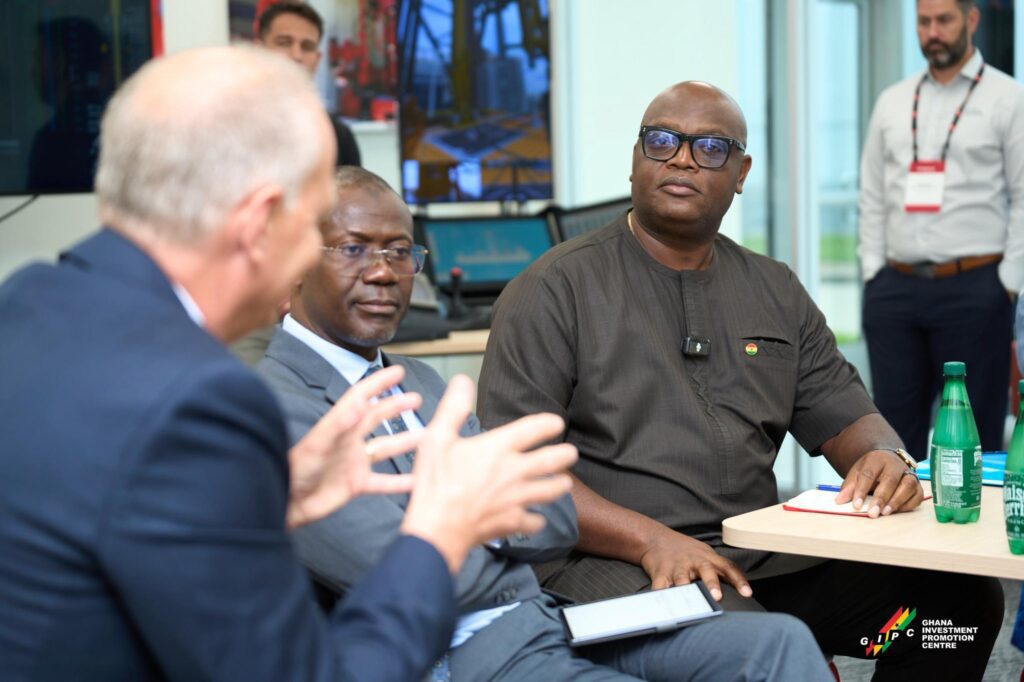
The Deputy CEO’s visit has thus laid the groundwork for a new wave of industrial partnerships that go beyond mere trade, focusing instead on technology transfer and the co-development of solutions tailored to the African market’s unique energy challenges.
Ultimately, the successful positioning of Ghana as a hub for LED and green energy depends on the continued synergy between state facilitation and private sector innovation.
The GIPC’s commitment to supporting long-term strategic partnerships ensures that investors are not left to navigate the market in isolation but are integrated into a supportive ecosystem.
As trade ties between Ghana and India deepen, the focus will increasingly remain on high-value sectors that promise not only financial returns for the investor but also social and economic dividends for the Ghanaian people.
The Vadodara engagement stands as a testament to this vision, marking a significant step toward a more industrialized and energy-efficient future.
READ ALSO: Ghanaian Trio Storm Into 100m Semi-finals at CAA ASAC