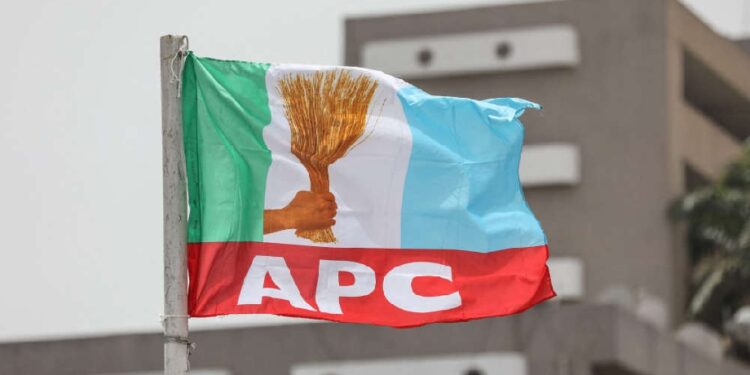
Nigeria’s ruling party, All Progressives Congress (APC), is set to kick-start its primaries today amid rising tensions nationwide, exposing deepening cracks within the party as it prepares for the 2027 general elections.
The exercise, which begins with the selection of House of Representatives candidates, has already triggered protests in several states, collapsed consensus arrangements, and allegations of candidate imposition.
These developments have prompted urgent consultations among party leaders aligned with President Bola Ahmed Tinubu to prevent a widening internal crisis.
Across the country, stakeholders are scrambling to contain unrest as aspirants resist last-minute withdrawals and party factions clash over zoning agreements and endorsement processes.
In several states, reconciliation efforts have broken down entirely, forcing the party to prepare for direct primaries where consensus could not be achieved.
Amid the rising friction, President Tinubu has appealed for calm, discipline and unity among party members, urging aspirants to approach the process with sportsmanship. He warned that internal divisions would ultimately strengthen opposition parties.
In a statement released on the eve of the primaries, the President described the exercise as a critical test of the APC’s unity and resilience as it enters its fourth election cycle.
“In every contest, there will be a winner and a loser. I urge the winners not to gloat in victory and the losers to show sportsmanship by taking things in their stride and preparing for another time.”
President Bola Ahmed Tinubu
Tinubu also cautioned against divisive political behaviour, stressing that the party must avoid a return to “do-or-die politics” and instead embrace internal democracy and peaceful competition.
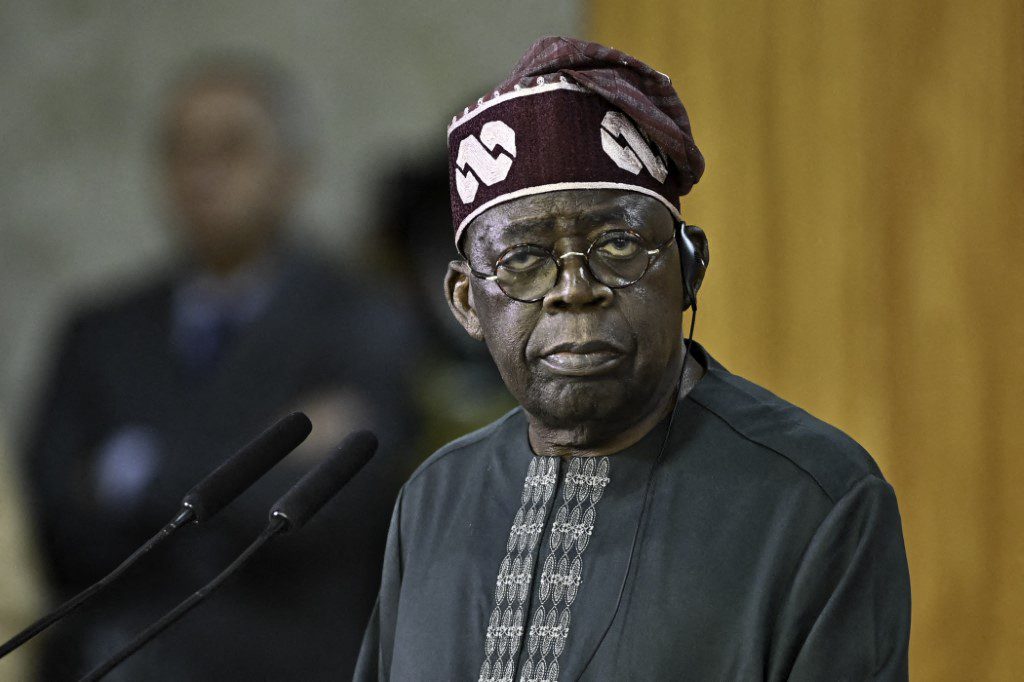
He further urged state leaders to ensure fairness in conducting the primaries, insisting that all aspirants must be given equal opportunity, whether through consensus arrangements or direct voting.
“You must rise above sentiment to offer all aspirants a level playing field that guarantees participation without let or hindrance. While only one person will win for every seat contested, we should give eventual losers the satisfaction of a fair contest.”
President Bola Ahmed Tinubu
President Bola Ahmed Tinubu also emphasised the importance of inclusivity in the ongoing primaries, calling for stronger representation of women and young people in the selection process.
He urged party leaders and delegates to give special attention to these groups, stressing that they form a significant and indispensable part of the country’s population that must not be excluded from political participation.
President Tinubu also called on the Police and other security agencies to “remain professional and avoid acting as interlopers during this exercise.”
He added,“Your duties strictly centre on ensuring peaceful exercise. Nothing more.”
Mixed Fortunes for APC as Some States Embrace Consensus, Others Face Turmoil
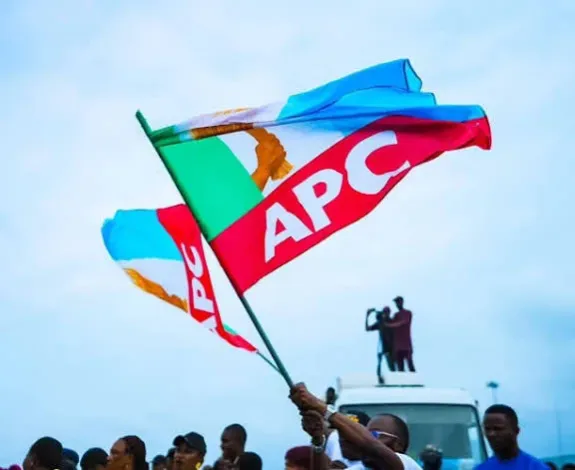
Despite these appeals, tensions have already surfaced in several states. In Abia, Kano, Taraba, Kaduna, Kwara, Oyo, Yobe and Edo, disagreements over candidate selection have triggered protests, stalled negotiations, and intensified lobbying among rival factions.
In Abia State, Deputy Speaker Benjamin Kalu dismissed reports of automatic tickets, insisting that no candidate had been pre-selected. He maintained that aspirants must emerge through either consensus or direct primaries, stressing the need for transparency in the process.
In Kano, party leaders continued late-night consultations to finalise consensus arrangements for House of Representatives seats, although officials acknowledged that direct primaries would be held in constituencies where agreement could not be reached.
In Taraba, reconciliation efforts suffered setbacks after several aspirants rejected withdrawal agreements, forcing the APC to prepare for competitive primaries across multiple constituencies. Similar resistance has been reported in areas such as Takum, Donga, Ussa and Wukari.
In Kaduna, a state-led reconciliation committee has been established to manage grievances and prevent further escalation, while in Kwara, uncertainty persists as stakeholders await directives from the party’s national leadership on whether consensus or direct elections will prevail.
However, not all states are engulfed in turmoil. In Sokoto, party officials confirmed that consensus arrangements have been successfully concluded across all elective positions, paving the way for affirmation exercises.
In Borno State, former Commissioner for Works Mustapha Gubio was adopted as the consensus governorship candidate following extensive consultations led by Governor Babagana Zulum, with party stakeholders largely endorsing the arrangement.
Despite these pockets of stability, analysts warn that the broader picture remains fragile, with internal disagreements threatening party cohesion ahead of a crucial election cycle.
The APC primaries, which will progress from legislative contests to the presidential ticket selection scheduled for May 2026, are being conducted under the Electoral Act 2026, which governs the framework for party nominations.
As voting begins, the party now faces a critical test of whether it can balance internal competition with unity, or whether rising friction across states will deepen divisions within the ruling party ahead of the 2027 general elections.
READ ALSO: Burnham Plots Westminster Comeback Amid Deepening Starmer Crisis