United Kingdom has relaxed key sanctions on Russian oil products, allowing the import of diesel and jet fuel refined from Russian crude in third countries, as escalating tensions in the Middle East push global energy prices sharply higher and raise concerns over fuel supplies.
The policy change reflects mounting pressure on governments to stabilize energy markets after disruption to shipping through the Strait of Hormuz, one of the world’s most important oil transit routes.
The waterway has faced severe restrictions since the outbreak of war involving the United States, Israel and Iran, sending fuel prices soaring and increasing costs for airlines, businesses and consumers.
Under the revised rules, UK will once again permit imports of products such as jet fuel and diesel that are processed outside Russia, even if the crude oil originally came from Russian sources.
This effectively reopens the door to supplies from countries including India and Turkey, both of which refine substantial volumes of Russian oil for international markets.
The government also issued a temporary licence allowing certain maritime transportation and related services for Russian liquefied natural gas (LNG). The licence will remain in force until 1 January.
The decision marks a notable adjustment in Britain’s sanctions regime, which has been among the toughest imposed on Russia since Moscow launched its full-scale invasion of Ukraine in 2022.
Only a day earlier, UK joined fellow G7 nations in reaffirming their “unwavering commitment” to impose “severe costs” on Russia. The apparent contradiction has drawn criticism from allies who argue that any easing of restrictions risks undermining efforts to deprive the Kremlin of energy revenues.
The sanctions originally introduced in October barred the import of diesel and aviation fuel refined from Russian crude in third countries.
At the time, the measure was designed to close loopholes that allowed Russian oil to reach European markets after being processed elsewhere.
The latest exemption will be of “indefinite duration,” according to the government, although officials indicated that the arrangement will be reviewed periodically and may be amended or revoked depending on market conditions.
Britain Defends Limited Russian Oil Waiver as Fuel Prices Surge
Global fuel markets are experiencing sharp volatility as geopolitical tensions drive up energy costs across major economies.
European jet fuel prices more than doubled in the days following the outbreak of conflict in the Middle East. Although prices have eased somewhat, they remain roughly 50 per cent above pre-war levels.
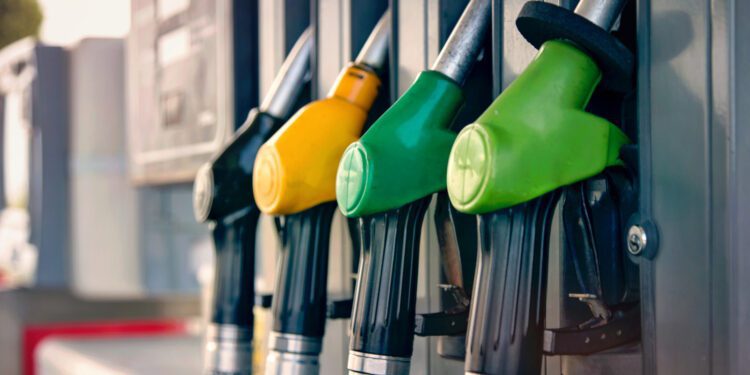
The impact is already being felt in the United Kingdom. According to motoring firm the RAC, the average price of unleaded petrol reached 152.52 pence per litre on Monday, marking the highest level recorded since the start of the conflict.
Rising costs have also rippled through the aviation sector, with airlines operating in Britain and internationally cancelling selected routes and raising ticket prices in response to surging jet fuel expenses.
Moreover, United States implemented a similar waiver earlier this year. Initially introduced in March and extended this week, the US measure allows countries to purchase Russian oil and petroleum products that were already loaded on vessels at sea.
US Treasury Secretary Scott Bessent stated at the time that the “short-term measure” was intended to promote “stability in global energy markets.”
That approach faced strong opposition from several Western leaders.
French President Emmanuel Macron argued that the closure of the Strait of Hormuz “in no way” justified softening sanctions on Russia.
Ukrainian President Volodymyr Zelensky also condemned such moves, warning that “every dollar paid for Russian oil is money for the war.”
Despite such objections, British officials insist the country’s sanctions regime remains firm and that limited exemptions are necessary to safeguard supply chains and protect consumers from further price shocks.
A UK government spokesperson stated earlier that the country had “introduced a range of new prohibitions under the Russia sanctions regime.” “This includes further export and import bans against Russia, including restrictions on the sale of refined oil products derived from Russian crude oil and the import, supply and delivery to third countries of Russian uranium,” the spokesperson indicated.
“These sanctions also include a maritime services ban on Russian LNG. This will gradually restrict Russia’s access to the UK’s world-leading shipping and insurance services, disrupting their ability to transport Russian LNG.
“We are committed to strengthening our sanctions on Russia to degrade its ability to wage war in Ukraine, whilst protecting critical supply chains and maintaining market stability.”
UK Government Spokesperson
READ ALSO: Arsenal Secure 14th Premier League Title After City Slip at Bournemouth