
Ghana’s Parliament resumed sitting on Thursday, May 21, 2026, as the Second Meeting of the Second Session of the Ninth Parliament opened with heightened political tension and a forceful agenda from the Minority Caucus.
The Minority outlined what it described as “87 demands” targeting governance, economic management, security, and civil liberties, setting the tone for what is expected to be a contentious legislative session.
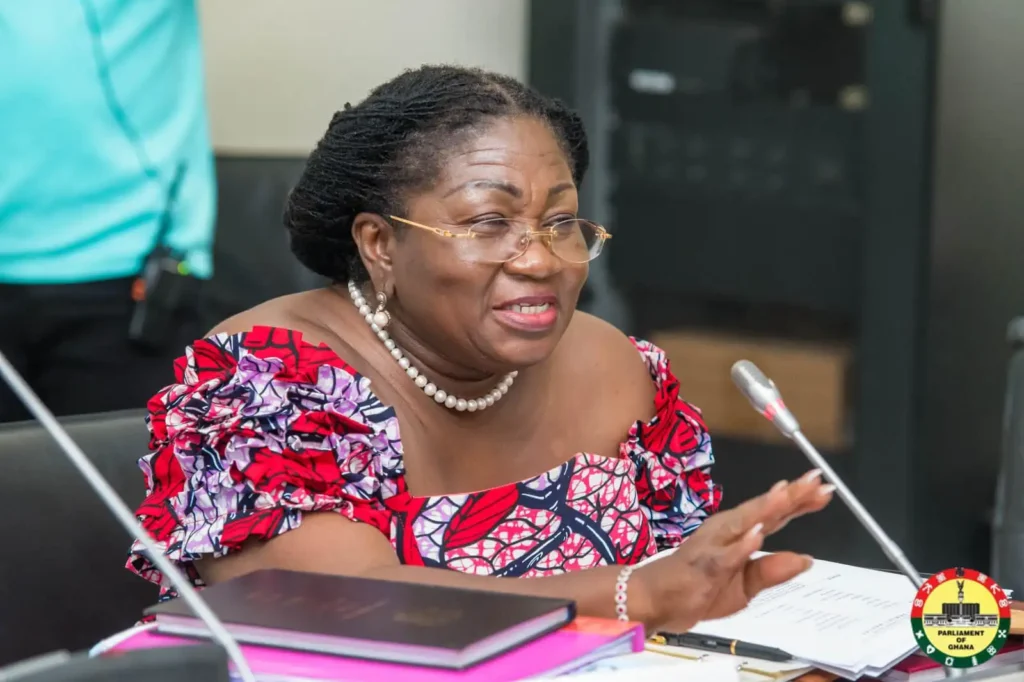
The demands were presented on the floor of the House by the Deputy Minority Leader and Member of Parliament for Asokwa, Hon. Patricia Appiagyei, who stressed the need for stronger parliamentary oversight of the executive.
She indicated that the Minority intended to pursue a more aggressive accountability posture in response to what it considers urgent national challenges.
Free Speech, Energy and Economic Oversight
At the core of the Minority’s demands is a call for the immediate release of individuals allegedly detained for exercising free speech. “All persons detained for exercising their right to free speech must be released immediately,” Hon.Patricia Appiagyei stated.
The caucus also demanded that the Minister for Energy appear before Parliament with what it described as a credible plan to address ongoing power supply challenges, commonly referred to as “dumsor.”
In addition, the Finance and Economic Committees of Parliament were urged to convene an urgent joint hearing with the Governor of the Bank of Ghana to assess current economic conditions and policy direction.
Foreign Policy and Citizens Abroad in Focus
The Minority further pressed for extensive briefings from the Ministry of Foreign Affairs on several international and regional issues. These include Ghana’s African Union coalition strategy ahead of June 24, as well as a comprehensive reintegration plan for returning nationals requiring parliamentary approval and oversight.
The caucus also called for an early warning and response framework to protect Ghanaians living abroad, alongside a full briefing on the status of citizens affected by what it described as the Burkina Faso tomato traders incident and the ongoing Gulf crisis.
According to Hon. Patricia Appiagyei, Parliament must take a more active role in safeguarding the welfare of Ghanaians beyond the country’s borders.
Demands for Investigations Into Key National Issues
A significant portion of the Minority’s statement focused on calls for parliamentary investigations into governance and sectoral concerns.
The caucus demanded a full probe into the Damang mines transaction, to be led by the Lands and Natural Resources Committee, with key officials including the sector minister and Minerals Commission leadership expected to appear before Parliament.

It further insisted that all relevant documentation, including bid processes and beneficial ownership disclosures, be submitted for scrutiny.
The Minority also called for an investigation into alleged failures in athletics administration, with the Sports Minister expected to present a written preparedness plan ahead of major international sporting engagements, including World Cup preparations.
Criticism of Government Performance
Beyond procedural demands, the Minority used the opportunity to criticize the government’s handling of economic and social issues, particularly energy supply, livelihoods, and national security concerns.
Hon. Patricia Appiagyei pointed to what she described as growing hardship among citizens, referencing power outages, declining agricultural incomes, and challenges faced by traders and students.
“We see you, the families sitting in darkness because dumsor has returned under a government that promised to end it,” she said. She also raised concerns about Ghanaian traders affected abroad, farmers struggling with reduced returns from cocoa and cashew, and students studying under limited electricity supply conditions.
According to her, these challenges reflect deeper governance failures that Parliament must urgently address.
Intensified Parliamentary Oversight Expected
The Minority’s 87 demands are expected to shape early proceedings of the new parliamentary session, as lawmakers prepare to engage the executive on a wide range of policy and governance issues.

With the New Patriotic Party holding 87 seats against the National Democratic Congress’ 185-seat majority, analysts expect intensified debates but limited legislative leverage for the opposition caucus.
Nonetheless, the Minority has signaled its intention to use parliamentary tools, committee hearings, and public scrutiny to press for accountability across key sectors.
The session is also expected to feature major government policy presentations, including the Finance Minister’s upcoming “New Economy” framework focused on job creation and agricultural investment.
READ ALSO: Israel Deports Gaza Flotilla Activists Amid International Backlash