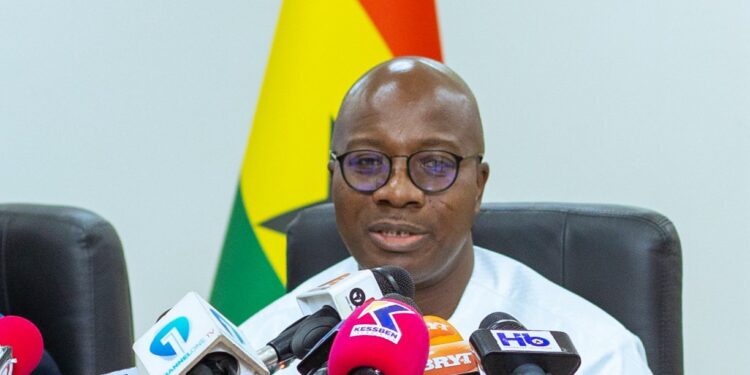
The Majority Leader and Leader of Government Business in Parliament, Hon. Mahama Ayariga, has defended Ghana’s law on false publication, insisting that it remains an important legal safeguard for protecting public peace and maintaining order in society.
Speaking at a press briefing in Parliament, he argued that Section 208 of the Criminal Offences Act should be understood in the context of its purpose, which is to prevent the spread of false information that could trigger panic, undermine institutions, or create tension among groups in society.
Section 208 of the Criminal Offences Act, 1960 (Act 29) criminalizes the publication or reproduction of false statements, rumours, or reports that are likely to cause fear, alarm, or disturb public peace. It makes it a misdemeanor to publish such information when a person knows or has reason to believe it is false.
The Majority Leader’s comments come amid renewed public debate and calls for the repeal of the provision, including from civil society actors such as Oliver Barker-Vormawor, particularly following recent arrests and prosecutions involving individuals linked to the opposition New Patriotic Party over alleged false publication.



Concerns About False Information and Public Stability
Hon. Ayariga questioned whether Ghanaian society should allow an environment where individuals can freely circulate unverified or deliberately false claims that may damage reputations or institutions.
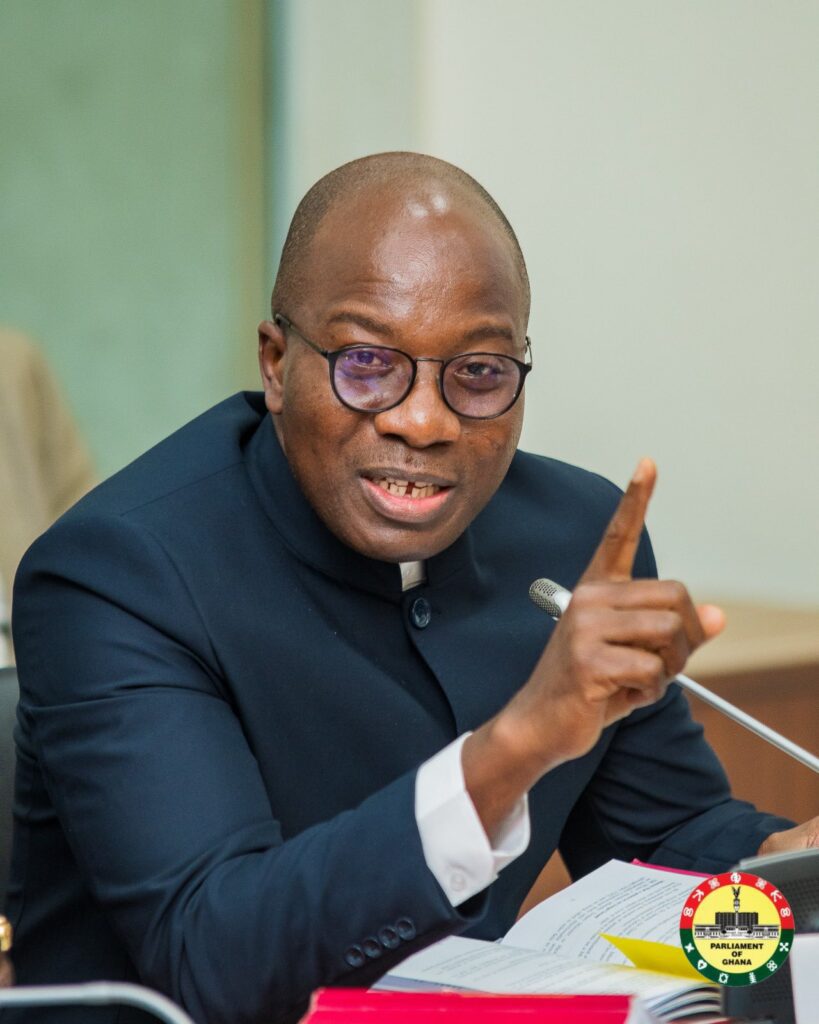
He cited concerns about statements that could inflame ethnic tensions or encourage hostility, warning that such messages, if left unchecked, could have serious consequences for national cohesion. According to him, history has shown that unchecked misinformation in some societies has contributed to conflict and instability.
He also raised concerns about the difficulty of correcting false information once it has been widely disseminated. Even when corrections are issued, he noted that many people who encountered the original claim may never see the clarification, leaving the false impression intact.
Hon. Ayariga emphasized that Parliament does not act in isolation but responds to societal expectations. He stated that lawmakers assess public sentiment and translate it into legislation through debate and approval processes, meaning that laws reflect, to some extent, the values and concerns of citizens.
Protection of Institutions and Debate Over Free Speech
The Majority Leader also argued that false publications targeting state institutions such as Parliament, the Police Service, and the Judiciary could undermine public trust in governance structures.
He maintained that while individuals can pursue civil remedies when defamed, issues become more complex when allegations are directed at public institutions whose credibility is central to the functioning of the state.
According to him, Section 208 is designed to address situations where individuals knowingly publish false information that could disrupt public order or damage institutional integrity.

He rejected the view that the law is intended to suppress legitimate journalism. Instead, he stressed that professional journalism is based on verification, evidence, and ethical standards that distinguish it from unverified claims circulating on social media.
Journalism, Social Media, and Evidence Based Reporting
Mr Ayariga referenced examples of investigative journalism in which reporters gathered credible evidence before publishing allegations of wrongdoing. He noted that such work, when properly substantiated, should not be confused with false publication.
He argued that journalists who operate within professional standards have nothing to fear from Section 208, as the law targets knowingly false statements rather than evidence based reporting.
However, he expressed concern about the rise of social media, where many users publish and share information without verification. He suggested that the blurred line between professional journalism and casual online commentary has created challenges for regulation and accountability.
According to him, without legal mechanisms to address the deliberate spread of false information, Ghana risks exposure to unnecessary tensions and potential breaches of peace.
Growing Debate Over Repeal Calls
The defence of the law comes at a time when calls for its repeal are gaining attention. Critics argue that Section 208 could be used to suppress dissenting voices or discourage political criticism, especially in cases involving controversial arrests linked to alleged false publication.

Civil society organisations and free speech advocates have raised concerns about the potential for abuse, insisting that democratic societies must be cautious about criminalising speech.
Despite these concerns, the Majority Caucus maintained that the law remains necessary to balance freedom of expression with the responsibility to prevent harm caused by misinformation.
The ongoing debate highlights a broader national conversation about how Ghana should regulate speech in the digital age, particularly as social media continues to expand the reach and speed of information sharing.
READ ALSO: IMF Praises Ghana’s Reform and Debt Progress, Set to Release Final Bailout Cash