
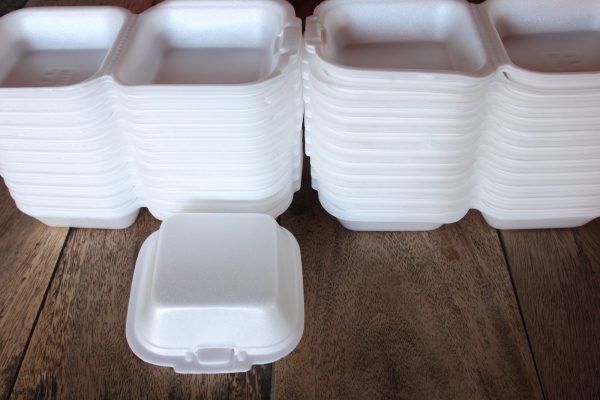
Ghana’s Environmental Protection Authority has announced that the production, importation, sale, distribution, and use of all polystyrene foam products, popularly known as Styrofoam, will officially be banned nationwide beginning January 1, 2027.
The directive was issued in a public statement by the Environmental Protection Authority following an earlier policy announcement by President John Dramani Mahama during the 2025 World Environment Day celebration.
According to the Authority, the ban forms part of broader government efforts to combat plastic pollution, improve sanitation, protect public health, and promote environmentally sustainable practices across the country.
The EPA stated that the decision reflects Ghana’s growing commitment to reducing the environmental damage associated with single use plastic and foam products which have increasingly become a major source of waste pollution in urban communities, drainage systems, markets, beaches, and public spaces.
Products Covered Under the Ban
The Authority explained that the prohibition will apply to all forms of expanded polystyrene foam products used for commercial activities and human consumption related purposes.

Among the products listed under the ban are food packaging containers, takeaway packs, disposable cups, disposable plates, and foam packs commonly used by restaurants, chop bars, and street food vendors.
The directive also extends to ceiling and insulation materials manufactured from polystyrene foam, foam mattresses, bedding materials, and packaging or cushioning products widely used in transportation and logistics.
The EPA further clarified that any other form of polystyrene foam product intended for human use or commercial activity would also be prohibited under the new policy framework.
However, the Authority noted that exemptions will apply to expanded polystyrene products specifically designed for medical, laboratory, scientific, and diagnostic purposes, subject to relevant regulatory approvals and oversight.
Environmental and Public Health Concerns
According to the EPA, the policy is intended to address growing concerns over environmental degradation linked to the widespread use and disposal of Styrofoam products across the country.
Environmental experts have long warned that polystyrene foam products are difficult to recycle and often end up clogging drains, polluting water bodies, and contributing to flooding during heavy rainfall seasons.

The material also takes a very long time to decompose naturally, raising concerns about long term environmental damage and risks to marine ecosystems, wildlife, and human health.
The Authority stated that the nationwide ban is part of Ghana’s efforts to strengthen compliance with environmental standards while encouraging more sustainable production and consumption practices.
“This policy directive forms part of national efforts to protect public health, improve environmental sanitation, reduce plastic pollution, promote sustainable development, and ensure compliance with established environmental standards”.
Environmental Protection Authority
Businesses Urged to Begin Transition
The EPA has directed manufacturers, importers, distributors, retailers, food vendors, hospitality operators, and institutions currently relying on Styrofoam products to immediately begin transitioning to environmentally friendly alternatives ahead of the 2027 implementation deadline.
According to the Authority, the transition period is intended to provide businesses and consumers enough time to adjust to reusable, recyclable, and sustainable packaging solutions. The EPA emphasized that safer alternatives would help reduce waste generation while supporting Ghana’s environmental sustainability agenda.
Food vendors, restaurants, supermarkets, event organizers, and packaging companies are expected to be among the sectors most affected by the upcoming restrictions due to their extensive use of foam packaging materials.

Industry players are therefore expected to gradually adopt paper based packaging, reusable containers, biodegradable products, and other eco friendly materials over the coming months.
Nationwide Education and Enforcement Plans
The Environmental Protection Authority disclosed that extensive nationwide stakeholder engagement and public education campaigns would be carried out before the policy officially takes effect.
The Authority said the transition period leading to January 2027 would involve technical consultations, awareness creation, regulatory inspections, compliance monitoring, and enforcement preparations.
Officials believe public education will play a critical role in ensuring smooth implementation of the policy while reducing resistance from businesses and consumers.
The EPA also indicated that it would work closely with several institutions to guarantee nationwide enforcement once the ban becomes operational.
These institutions include Metropolitan, Municipal and District Assemblies, customs authorities, port officials, and industry regulators responsible for monitoring imports, manufacturing activities, and retail distribution.
The collaboration is expected to strengthen border monitoring and prevent the importation of banned foam products into the country after the deadline.
Public Encouraged to Support Initiative
The Authority has appealed to the public to support the environmental protection measure by adopting sustainable consumption habits and environmentally friendly packaging alternatives.

The policy could stimulate innovation and investment in Ghana’s growing eco-friendly packaging industry as businesses seek alternative products ahead of the implementation date.
The announcement positions Ghana among a growing number of countries introducing tougher restrictions on harmful plastic and foam products as governments worldwide intensify efforts to tackle environmental pollution and climate related challenges.
For the EPA, the success of the policy will depend largely on public cooperation, private sector adaptation, and effective nationwide enforcement once the ban officially comes into force in January 2027.
READ ALSO: Veep Demands Rapid Pan-African Industrialization Drive