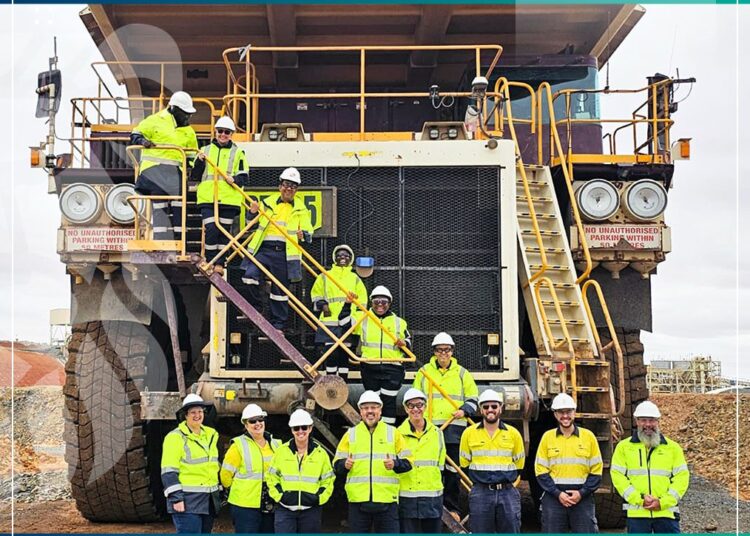
Public pressure is intensifying across Ghana as civil society groups and ordinary citizens mount a campaign to block the renewal of mining leases held by South African-linked firms, citing a deep-seated frustration with the treatment of Ghanaians abroad.
The movement, which has quickly transitioned from online discourse to a tangible political challenge, demands that the government prioritize national dignity over established commercial relationships, effectively turning the future of the Tarkwa mining concession into a litmus test for economic sovereignty.
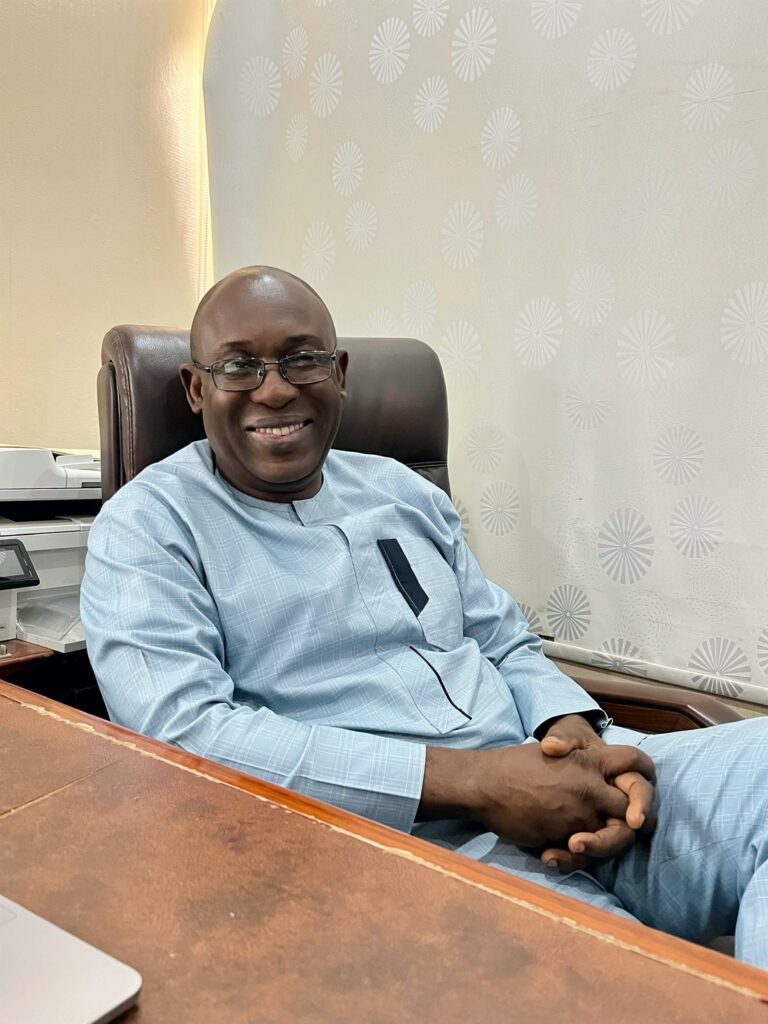
Policy analyst and Vice President of IMANI Africa, Kofi Bentil, has become a prominent voice in this chorus, publicly questioning the optics of renewing strategic concessions for firms based in a country where Ghanaians are reportedly facing hostility.
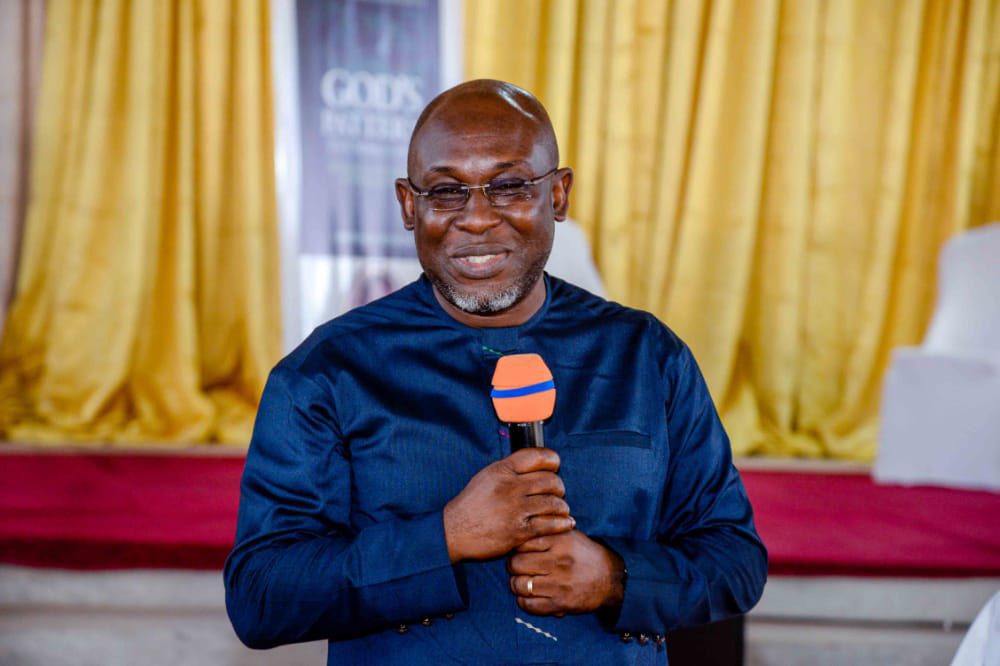
His intervention has significantly amplified the growing public pressure, framing the potential renewal as an affront to national pride at a time when the dignity of citizens remains a primary concern for the public.
“We will do everything we can to ensure your lease is not renewed because people in your country are hostile to our people. There is no proper reason to allow you to profit from our resources when your people treat us like bandits!!!”
Vice President of IMANI Africa, Kofi Bentil
The Weight of Public Sentiment
The emotional intensity of this movement is rooted in the recent experiences of Ghanaians in South Africa, which have struck a raw nerve among the public.
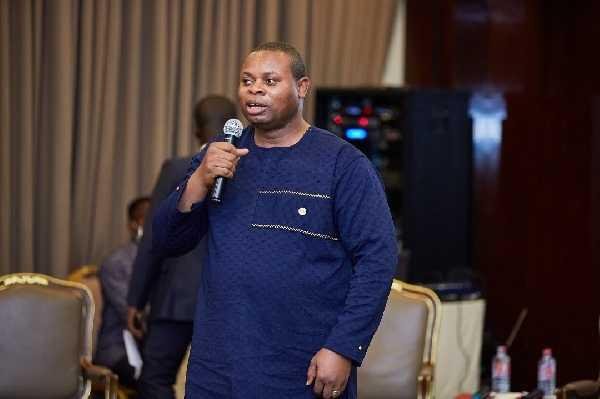
Franklin Cudjoe, Founding President of IMANI Africa, has joined these discussions, expressing a desire to mobilize both local and diaspora resources to empower domestic operators, stating, “I wish I could mobilise Resourceful Ghanaians around the world and within to buy the land and hire experts to operate and manage the mine.”
This sentiment is mirrored by grassroots campaigners who argue that the government must not be seen as rewarding companies from a nation that has allegedly undermined the dignity of fellow Ghanaians.
As one advocate noted, authorities “must be guided and not come across as rewarding those who treated our fellow Ghanaians in their country with disdain and in ways that undermined their dignity.”
Navigating Diplomatic and Economic Realities
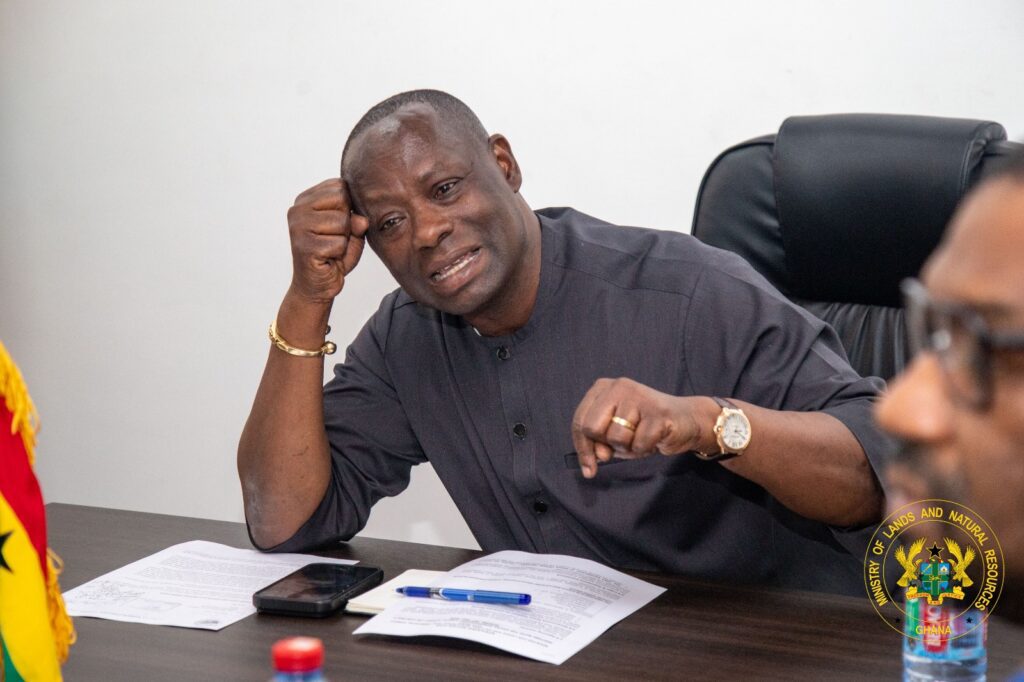
The tension currently gripping the mining sector arrives at a sensitive time for Ghana-South Africa relations. While government authorities have officially signaled that the renewal process for the Tarkwa mine “won’t be business as usual,” they remain committed to a rigorous, review-based approach rather than outright exclusion.
This balancing act is critical; while the state seeks to foster an investor-friendly environment to remain a top-tier destination for capital, it must also manage the diplomatic fallout from escalating concerns regarding xenophobia.
High-level diplomatic engagements between Accra and Pretoria continue in an effort to stabilize ties, yet the potential for the issue to spill over into regional political forums underscores the mounting strain.
As the government insists it is not pursuing blanket nationalization, it faces the difficult task of proving that its regulatory reforms are aimed at ensuring local benefit rather than political retaliation.
The Future of Strategic Asset Management
The debate over the Tarkwa lease has broader implications for how Ghana manages its natural resources.
With stakeholders in the mining sector warning that sudden uncertainty regarding tenure could signal to global investors that the security of property rights is at risk, the state is under immense pressure to provide a transparent, predictable framework for operations.
The government’s insistence that it continues to value investor partnerships while simultaneously demanding deeper development plans and expertise transfer suggests a pivot toward a more assertive, yet still cooperative, relationship with foreign miners.
Ultimately, the resolution of this conflict will likely serve as a blueprint for how Ghana navigates the competing demands of international capital and the increasing domestic push for economic nationalism and the protection of its citizens’ interests abroad.
READ ALSO: Owusu Questions NITA Bill Over Innovation and Regulation Balance