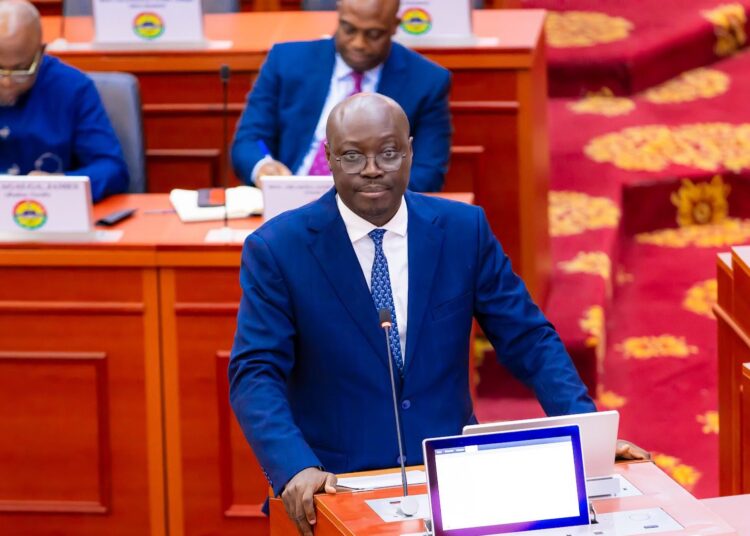
Ghana’s Finance Minister, Dr Cassiel Ato Forson, has announced that Ghana is transitioning from an era of IMF financial bailouts into what he described as a new phase of reform partnership and economic recovery, declaring that the country has moved “from the intensive care unit to the wellness center.”
Delivering a statement in Parliament on Ghana’s new engagement with the International Monetary Fund, the Minister said the country had made substantial progress in restoring macroeconomic stability and debt sustainability ahead of schedule under President John Dramani Mahama’s Reset Agenda.
According to him, the moment marks a major turning point in Ghana’s economic history, symbolising a shift from crisis management and uncertainty to stability and renewed confidence in the economy.
“This is a consequential moment in President Mahama’s Reset Agenda and, indeed, in the life of our Nation. It signifies Ghana’s passage from crisis management to stability, from dependence on financial bailout to partnership in reform, and from uncertainty to renewed confidence in our economic future.”
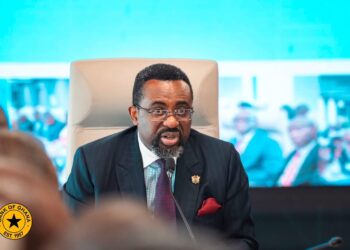
Ghana’s Minister for Finance, Dr Cassiel Ato Forson
Revisiting the 2022 Economic Crisis
The Finance Minister recalled the severe economic challenges that pushed Ghana to seek IMF support in July 2022 under the previous administration. He described the period as one marked by fiscal distress, balance of payments difficulties, debt crises, and declining investor confidence.
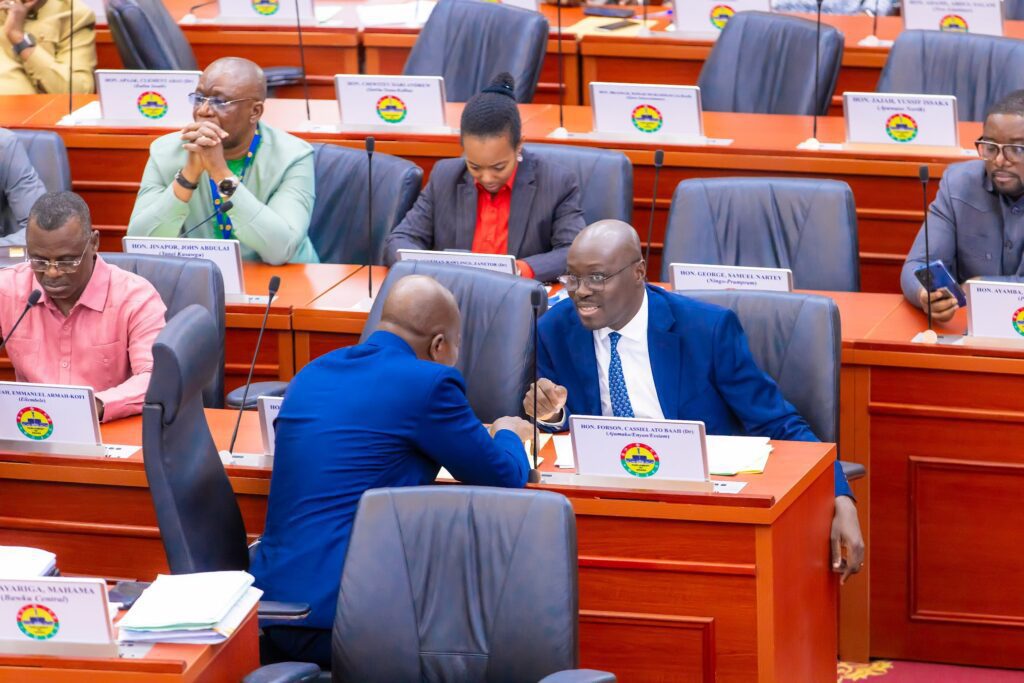
According to Dr Forson, the crisis triggered rapid depreciation of the cedi, inflation levels exceeding fifty per cent, shrinking external reserves, and the country’s loss of access to international capital markets.
He also cited repeated downgrades of Ghana’s sovereign credit ratings by Moody’s, Fitch, and S&P during 2022, describing the situation as unprecedented in the country’s economic history.
The Minister noted that the crisis deepened further after the introduction of the Domestic Debt Exchange Programme in December 2022, which imposed haircuts on bondholders including banks, pension funds, insurance companies, and individual investors.
He stated that ordinary Ghanaians bore the heaviest burden of the economic turmoil through rising prices, declining incomes, business distress, job losses, and increasing poverty levels.
“Some painful experiences cannot be taught. They must be lived to be understood. But once experienced, never again should they be repeated.”
Ghana’s Minister for Finance, Dr Cassiel Ato Forson
Measures Introduced Under the Reset Agenda
Dr Forson explained that upon assuming office, the Mahama administration moved quickly to recalibrate the IMF supported programme while introducing structural reforms aimed at restoring fiscal discipline and economic confidence.
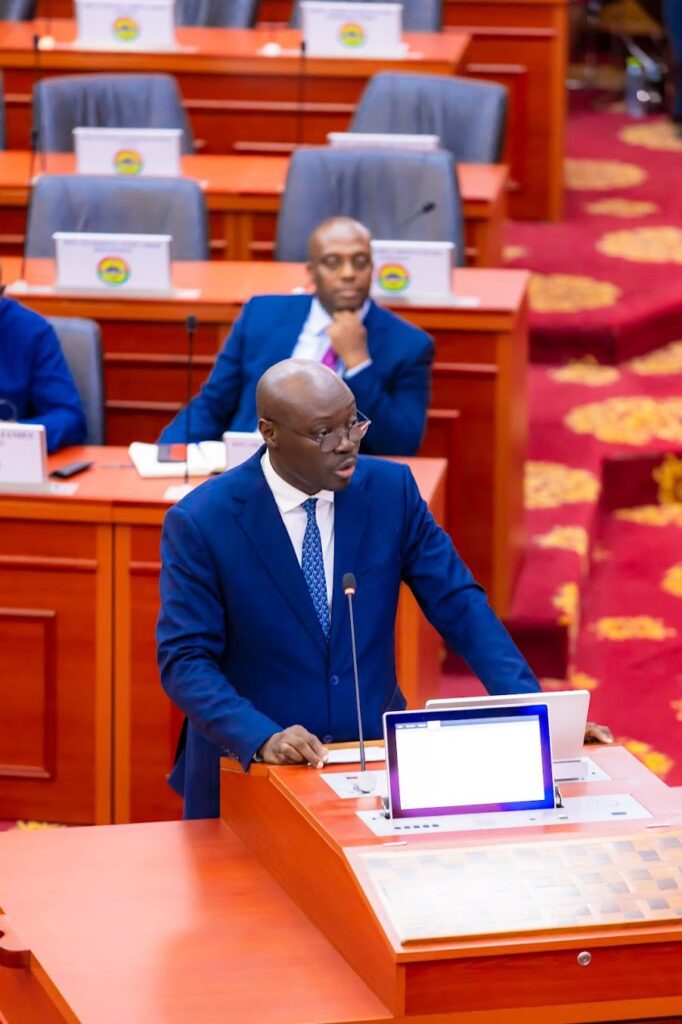
Among the measures implemented, he highlighted reforms to public financial management systems, auditing of government arrears, and amendments to the Public Financial Management Act to institutionalise fiscal rules including a debt to GDP target of forty five per cent by 2034.
The Minister said government also introduced the Goldbod initiative to support foreign exchange stability and reserve accumulation while operationalising the Sinking Fund with dedicated cedi and dollar buffers for future debt repayments.
He further noted that the administration removed what he described as nuisance taxes including the E Levy, Betting Tax, Emissions Levy, and VAT on motor insurance in order to stimulate private sector activity.
Additional reforms included the establishment of the Office of Value for Money and the Independent Fiscal Council to strengthen oversight and improve efficiency in public expenditure management.
Dr Forson also disclosed that government concluded negotiations with Independent Power Producers, saving more than 250 million dollars while clearing over one billion dollars in legacy energy sector arrears.
He added that the number of ministers had been reduced from one hundred and twenty three to sixty, while government ministries had been reduced from thirty to twenty three.
Economic Recovery and Improved Indicators
The Finance Minister reported significant improvements across major economic indicators since the implementation of the reforms. He announced that Ghana’s real GDP growth reached six per cent in 2025, representing the highest expansion recorded since the pandemic period.
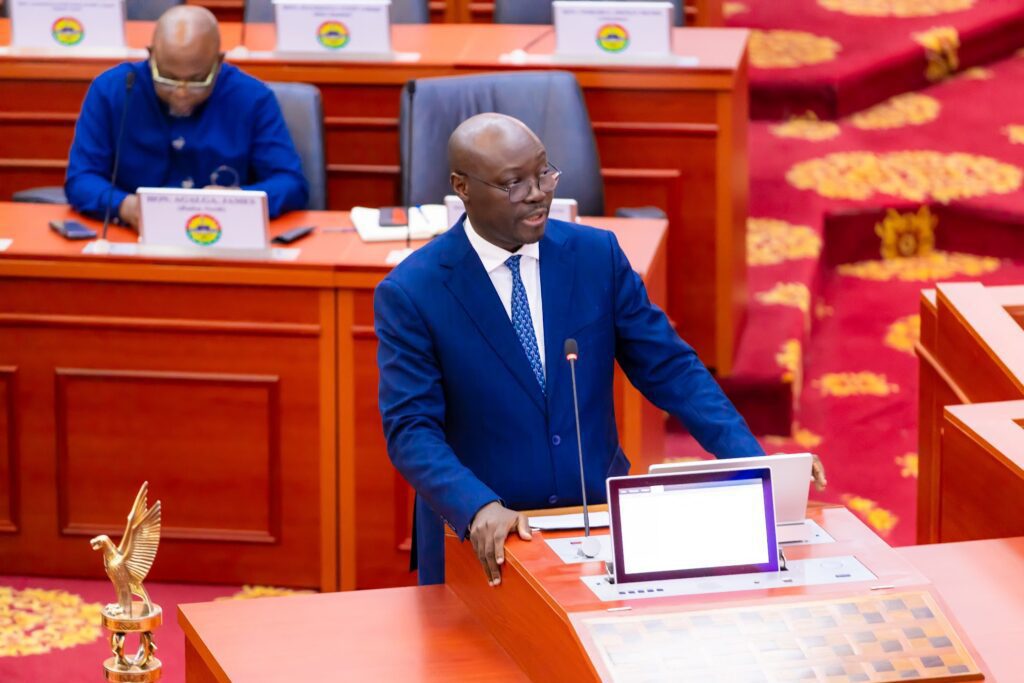
Non-oil GDP growth, according to him, reached 7.6 per cent, the strongest performance in fourteen years. “For the first time, Ghana’s economy crossed the 100 billion dollar threshold in 2025, making it a fully fledged emerging market economy,” Dr Forson stated.
He further disclosed that Ghana is now ranked as the eighth largest economy in Africa, with per capita income rising to 3,385 dollars for the first time.
On debt sustainability, the Minister said the public debt to GDP ratio declined sharply from 61.8 per cent in 2024 to 44.7 per cent at the end of 2025, enabling Ghana to achieve its debt target years ahead of schedule.
He also highlighted improvements in inflation, treasury bill rates, monetary policy rates, and debt servicing costs. According to him, inflation declined from 23.8 per cent in December 2024 to 3.4 per cent in April 2026, while the ninety one day treasury bill rate dropped from 28.4 per cent to 4.8 per cent within the same period.
The Minister added that the cedi appreciated by 40.7 per cent against the US dollar in 2025, while Ghana’s current account balance recorded a surplus of 8.3 per cent of GDP. “These results affirm a simple but enduring truth,” he stated. “Fiscal prudence and discipline always deliver results.”
No More IMF Bailouts
Dr Forson stressed that Ghana would no longer require IMF financial bailouts in the foreseeable future, citing comments previously made by President Mahama at the 77th Annual New Year School in January 2026.
The President had expressed hope that the current programme would become the seventeenth and final IMF bailout in Ghana’s history. “We have evolved from a position of supplicant to one of partner,” the Finance Minister said.
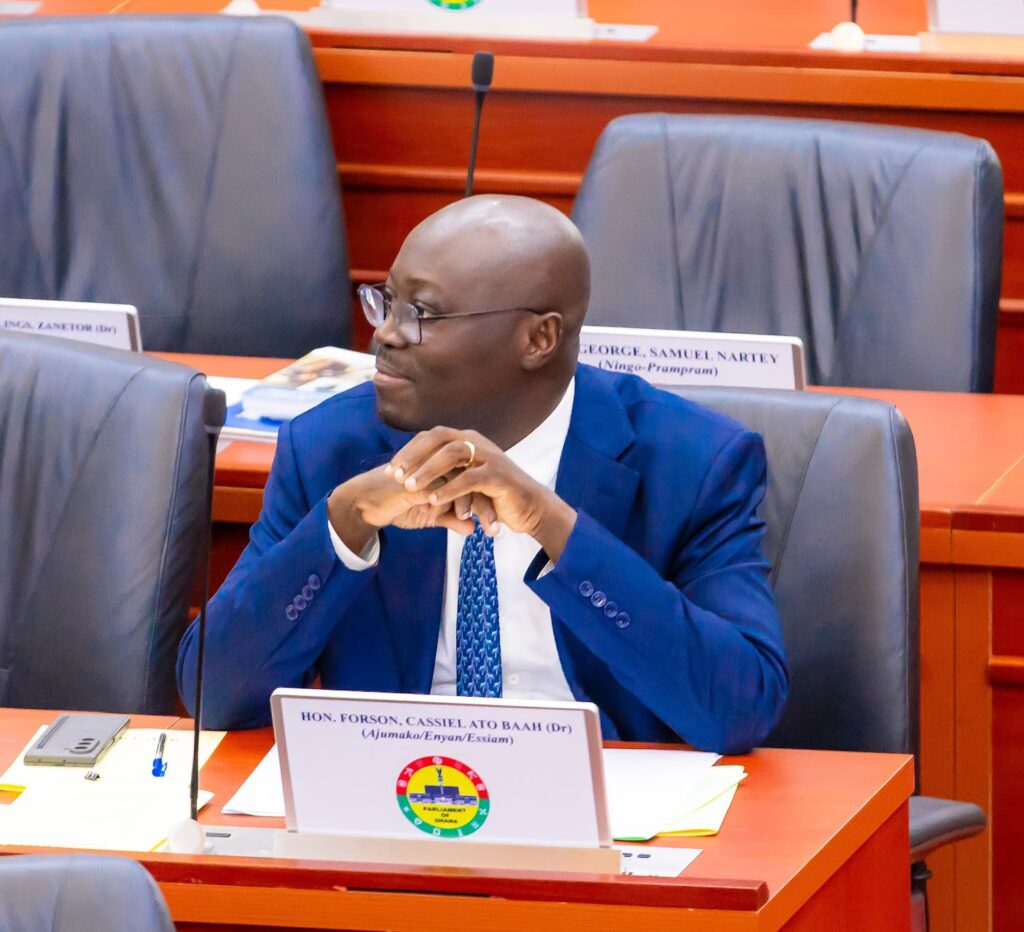
He officially announced that Ghana had successfully concluded the final review of the current IMF bailout programme pending approval by the IMF Executive Board.
According to him, Ghana’s future engagement with the IMF will now transition into a non financing Policy Coordination Instrument arrangement designed for countries that do not require direct financial assistance but seek policy credibility and investor confidence.
The Minister explained that the new arrangement would allow Ghana to continue benefiting from IMF policy assessments and technical expertise while strengthening the country’s reputation among investors and development partners.
The New Economy Programme
Dr Forson also revealed that government is preparing a new economic programme known as “The New Economy,” which is expected to be unveiled in the 2027 Budget.
He said the programme would focus on sustainable job creation, higher productivity, economic resilience, and broad based prosperity as Ghana moves from economic stabilisation to long term transformation.
The Minister expressed gratitude to Ghanaians for their patience and sacrifices throughout the difficult economic period and assured Parliament that the government would not become complacent. “Our solemn pledge is that we will continue the hard work of building the Ghana we want,” he said.
READ ALSO: President Mahama to CEOs: Let’s Drive Ghana’s Economic Reset Together