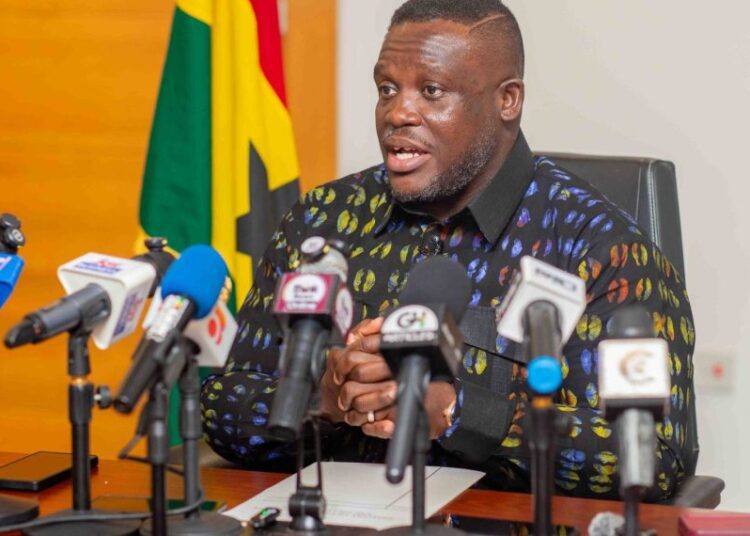
The Minister of Communications, Digital Technology and Innovations, Honourable Samuel Nartey George has disclosed that government is considering a policy that would require identity verification before access to adult websites. He explained that the proposal is part of measures aimed at protecting children from exposure to explicit online content.
The MP for Ningo Prampram stated that the initiative is currently being prepared for Cabinet consideration. He noted that the policy would require users to present either a National Identity Card or a driver’s licence before gaining access to X rated websites.
According to the politician, growing internet access has increased the need for stronger safeguards for young people online. He argued that governments must take deliberate steps to prevent children from encountering harmful digital content.
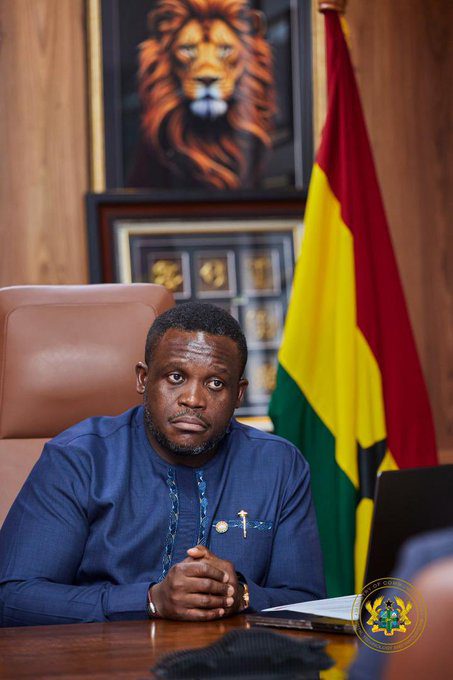
Drawing attention to international practices, Honourable Nartey pointed to age verification systems already operating in other jurisdictions. He suggested that Ghana could adopt similar measures to strengthen child protection in the digital space.
“Today, in the United Kingdom, for you to access a pornographic website, you need to provide your driver’s licence so they can determine that you are 18 years old.”
Honourable Samuel Nartey George
The Minister of Communications, Digital Technology and Innovations indicated that the proposed framework would help authorities establish age eligibility before access is granted. Furthermore, he said the arrangement would support efforts to keep children away from inappropriate online material.
The politician stressed that exposure to sexually explicit content at a young age could have lasting consequences. From his perspective, such material could influence a child’s development, values and decision making processes.
He therefore urged stakeholders to support measures that promote responsible internet use among young people. He added that child protection must remain a priority as Ghana’s digital economy continues to expand.
African Nations To Take Charge Of Their Digital Future
The Minister of Communications, Digital Technology and Innovations called for stronger continental action to protect African data from external exploitation. He argued that digital sovereignty has become a critical issue for governments across the continent.
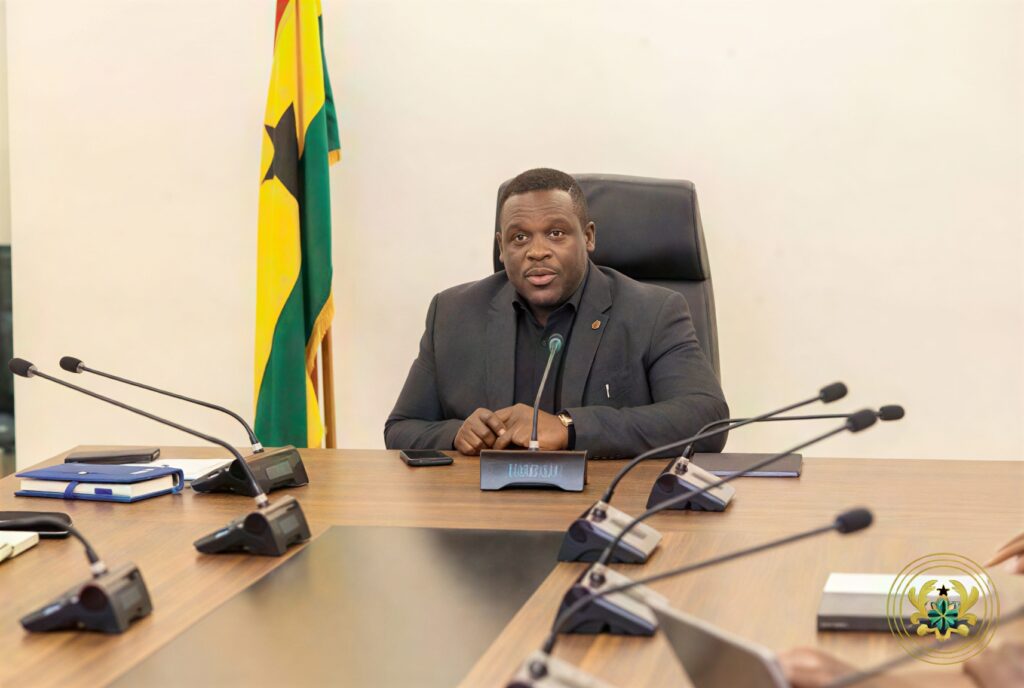
Honourable Nartey stated that African countries must establish clear policies governing the use and movement of data. He explained that stronger cooperation among states would help secure the continent’s digital resources.
The MP for Ningo Prampram suggested that the challenges surrounding data ownership share similarities with past struggles over Africa’s resources. He observed that divisions among nations often create opportunities for external interests to gain influence.
The politician expressed concern about the volume of African data being controlled outside the continent. In his view, governments must become more proactive in determining how citizen information is collected, stored and utilised.
“I think it is important that as an African continent we take a definite position. The stealing of African data must stop because African data has been taken without recourse to African governments.”
Honourable Samuel Nartey George
Honourable Nartey advocated a common continental framework to regulate cross border data management. He noted that unified standards would strengthen Africa’s bargaining power in engagements with multinational technology companies.
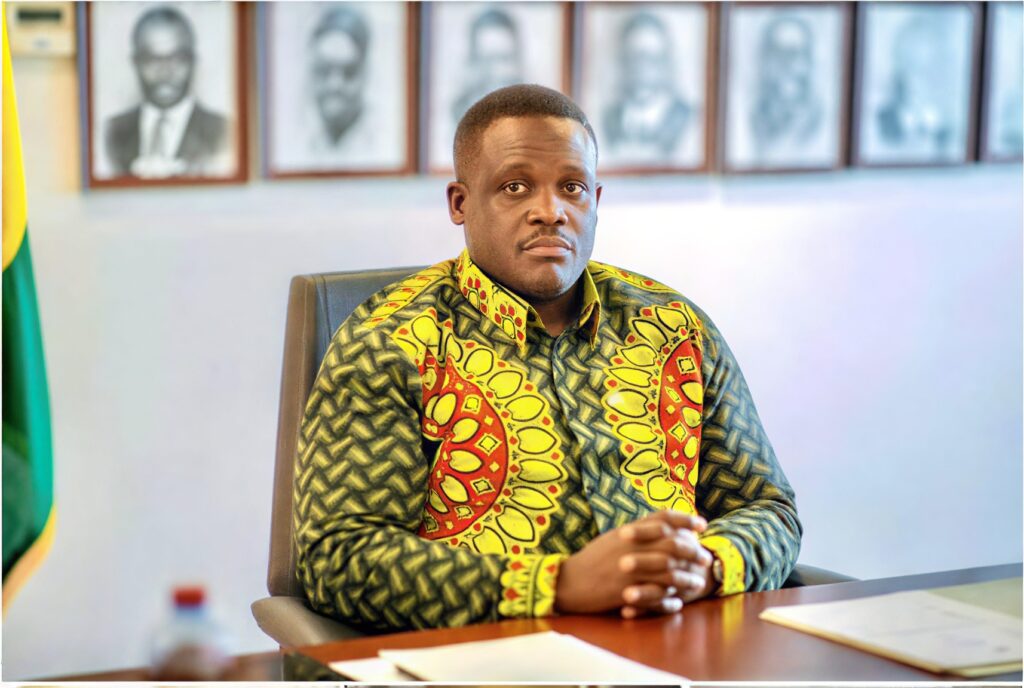
The Minister of Communications, Digital Technology and Innovations further emphasised the importance of local control over strategic digital assets. He explained that data has become one of the most valuable resources in the modern economy and should be treated accordingly.
Meanwhile, he encouraged African governments and regional institutions to work collectively to safeguard their digital interests. He added that long term development would depend on the continent’s ability to control and protect its own data resources.
Concluding his remarks, the politician urged policymakers to place digital sovereignty at the centre of future development strategies. He stated that Africa’s digital future should be shaped by the continent’s own priorities and aspirations.
READ ALSO: IC Insights Predicts More Pain for the Cedi As June Outlook Darkens