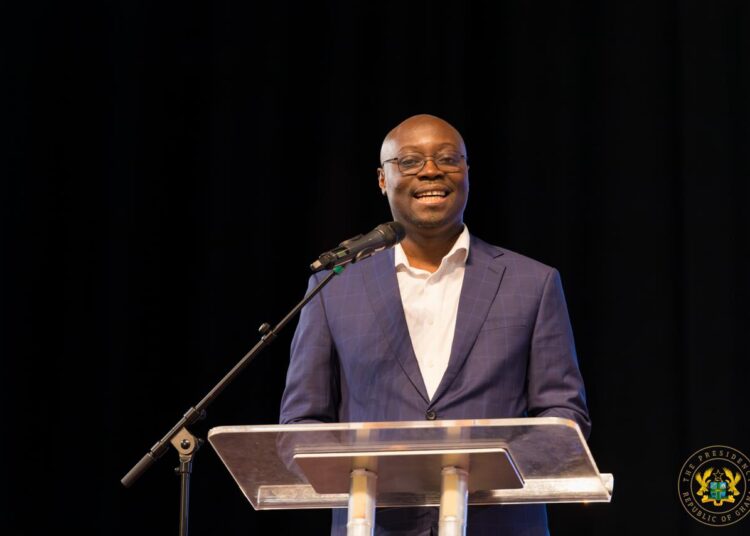
Finance Minister, Dr. Cassiel Ato Forson has disclosed that the government is targeting the purchase of at least $20 billion worth of gold this year as part of a strategic intervention to build the Bank of Ghana’s foreign exchange reserves.
This massive consolidation effort aims to systematically capture locally produced bullion to stabilize the national economy and curb rampant smuggling within the precious minerals value chain.
Expanding on this aggressive reserve accumulation strategy, Dr. Forson indicated that the target represents a deliberate scale-up of structural frameworks established under the President Mahama administration.
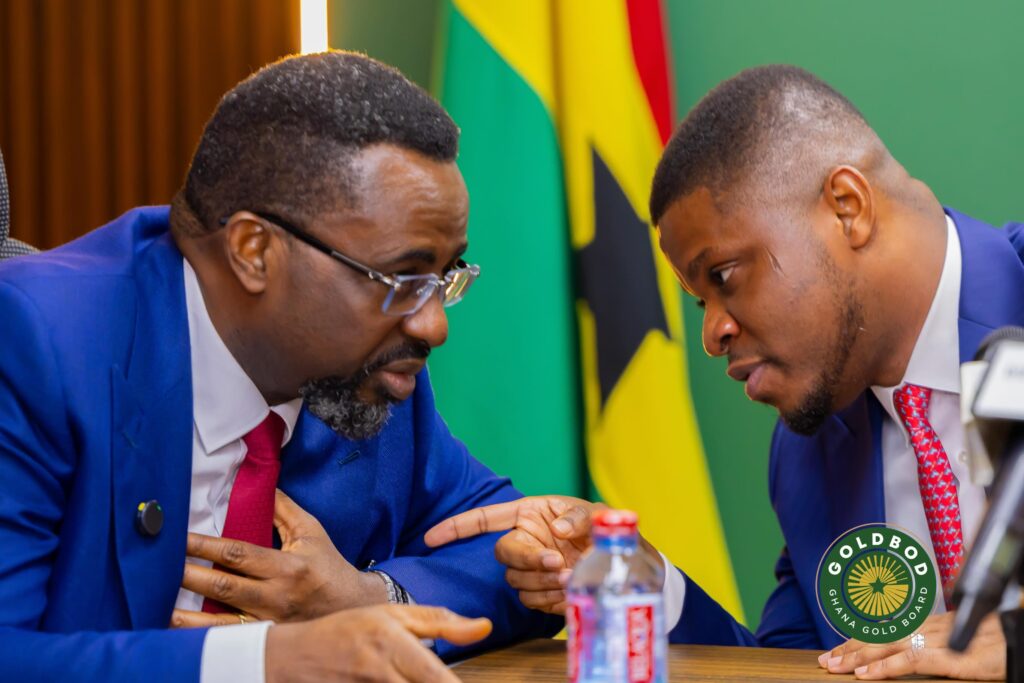
To institutionalize this mechanism, the government set up the Ghana Gold Board, colloquially known as GoldBod, to exercise formal oversight over domestic gold monetization, aggregate output from diverse mining tiers, and retain critical value within the local economy rather than allowing commodities to be exported exclusively in raw form.
“We needed to ensure that we capture our Gold to control the gold export and so we introduced what is called the GoldBod and the GoldBod was to ensure that gold that was hitherto leaving the country through smuggling and the country was not benefitting from the value chain is actually stopped.” Finance Minister, Dr. Cassiel Ato Forson
Finance Minister, Dr. Cassiel Ato Forson
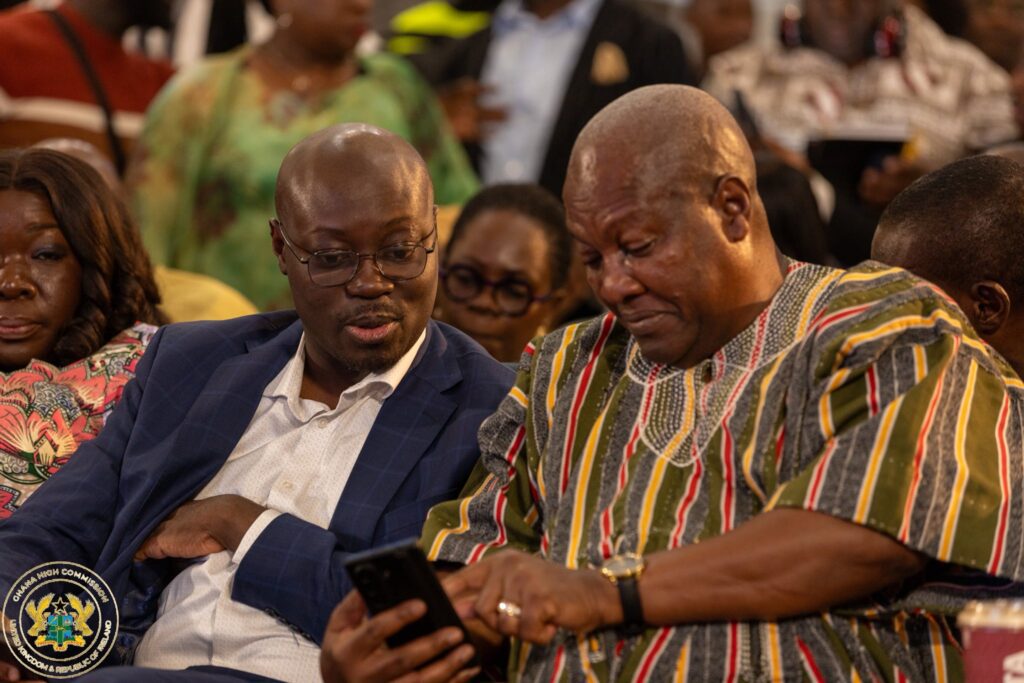
According to details provided by GoldBod Chief Executive Officer Sammy Gyamfi, Esq., this policy is being executed through the Ghana Accelerated National Reserve Accumulation Programme (GANRAP).
The initiative is designed to run through 2028, establishing a reliable asset pipeline by targeting the systematic procurement of three tonnes of gold every single week.
“The programme seeks to purchase 2.45 tonnes of gold weekly from the artisanal and small-scale mining sector,” Gyamfi noted, adding that large-scale mining entities are required to supply the remaining 0.55 tonnes per week.
“And so what we did was the introduction of the GoldBod alone, one calendar year we were able to buy gold up to $14 billion and that 14 billion assisted the Central Bank to be able to build reserves. Today, the Central Bank has a very healthy reserve position and this year we expect to buy gold at least 20 billion.’’
Finance Minister, Dr. Cassiel Ato Forson
Macroeconomic Stabilization and Currency Defense
The aggressive accumulation of bullion reserves yields massive structural benefits for Ghana’s broader economy.
By establishing a consistent intake of three tonnes of gold per week, the central bank directly minimizes its vulnerability to volatile international capital flows.
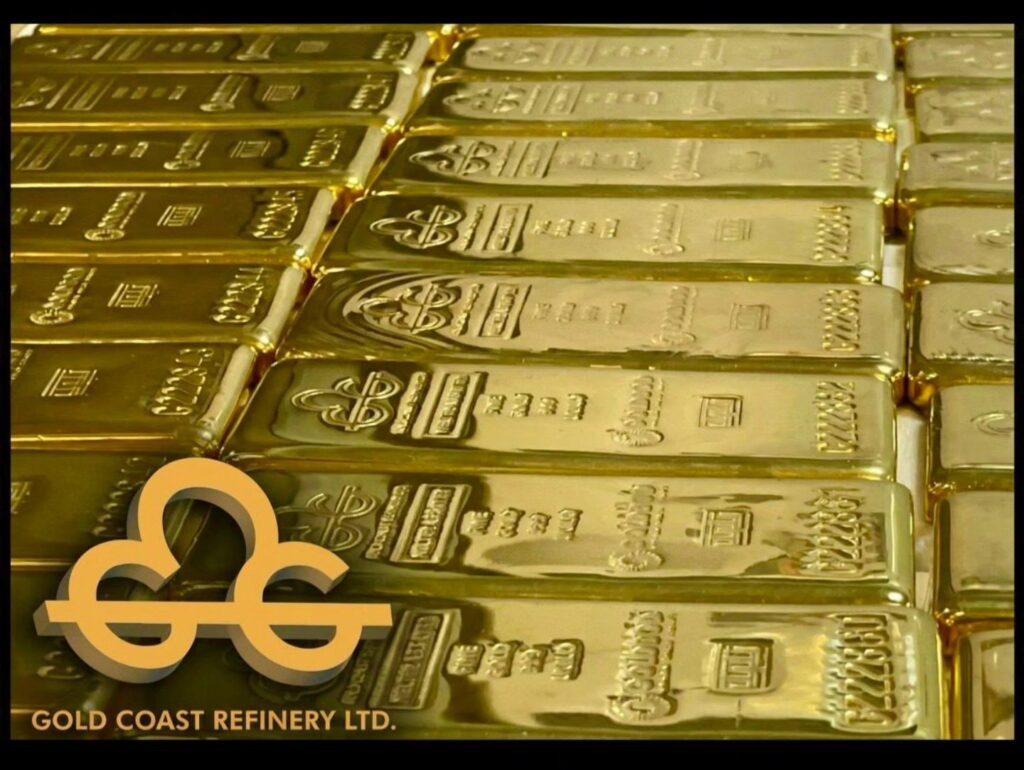
This strategic asset positioning provides the Bank of Ghana with deep, tangible liquidity that can be deployed to defend the local currency during periods of speculative pressure.
Furthermore, generating over $400 million weekly through GANRAP injects continuous liquidity into the financial ecosystem, offering a robust buffer that stabilizes the cedi against major trading currencies.
Rather than relying purely on foreign fiat currencies or volatile donor funding, the country is utilizing its status as Africa’s largest gold producer to back its monetary system with high-value physical commodities.
This structural shift significantly mitigates the severity of external economic shocks and reduces imported inflation.
Restructuring Costs and Plugging Revenue Leakages
Transitioning from the historical framework to GANRAP has fundamentally altered the fiscal efficiency of the state’s domestic gold procurement operations.
Gyamfi revealed that the institution spent its initial operations after its establishment in April 2025 continuing the Bank of Ghana’s original Domestic Gold Purchase Programme while implementing deep structural operational reforms and building entirely new systems.
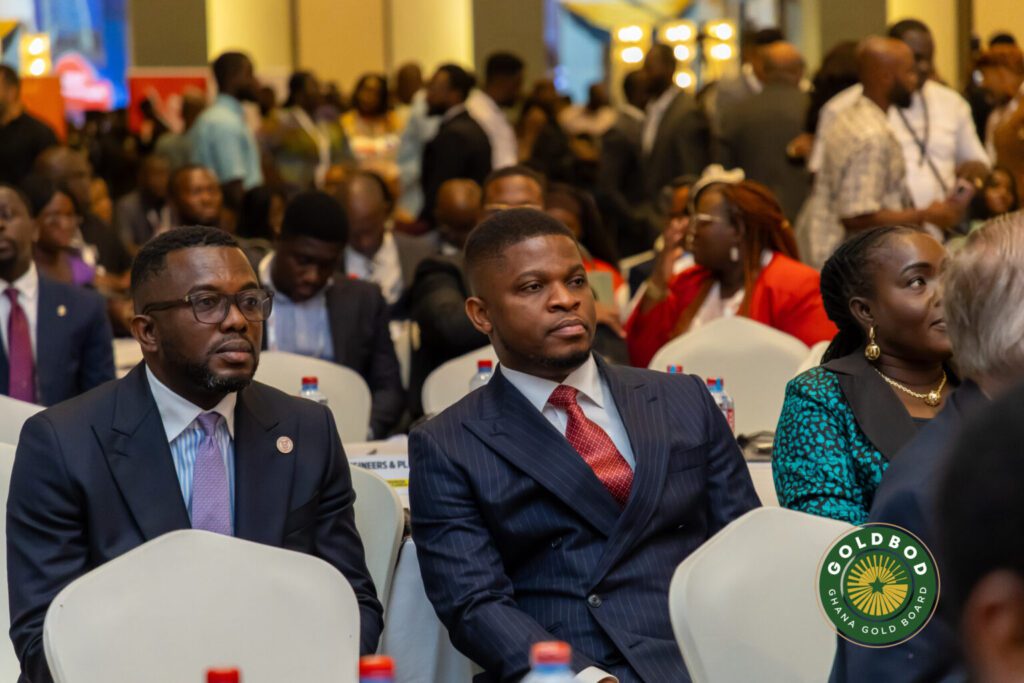
These foundational changes successfully targeted the high overhead expenses that previously plagued state-led bullion aggregation.
Operational data indicates a profound drop in transactional friction under the new parliamentary-approved framework.
While the legacy Domestic Gold Purchase Programme operated at a costly rate of approximately 16 percent, operations under GANRAP have driven those costs down to 7.25 percent.
Financial projections indicate that these structural systemic refinements will lower procurement costs to 5 percent next year, with a long-term operational target of just 3 percent.
Formalizing Supply Chains and Enhancing Sovereign Credit
Historically, a vast portion of Ghana’s mineral wealth bypassed state accounts due to illicit cross-border smuggling and unmonitored small-scale production.
By establishing GoldBod as a formal counterparty for small-scale and artisanal miners, the state effectively integrates thousands of informal operators into the formal banking system.
This structured marketplace provides miners with a reliable, institutional buyer while simultaneously verifying the ethical and legal provenance of the gold.
Ultimately, a fortified central bank reserve position heavily elevates Ghana’s sovereign credit rating and global financial standing.
International lenders and credit rating agencies view substantial physical gold reserves as an indicator of fiscal resilience and sovereign debt-service capability.
By transforming underground mineral wealth into active central bank assets, the state enhances its capacity to secure cheaper international financing terms, paving the way for sustainable infrastructure development and long-term economic autonomy.
READ ALSO: Enock Morrisson Crowned Kenya Premier League MVP, CK Akonnor Named Best Coach