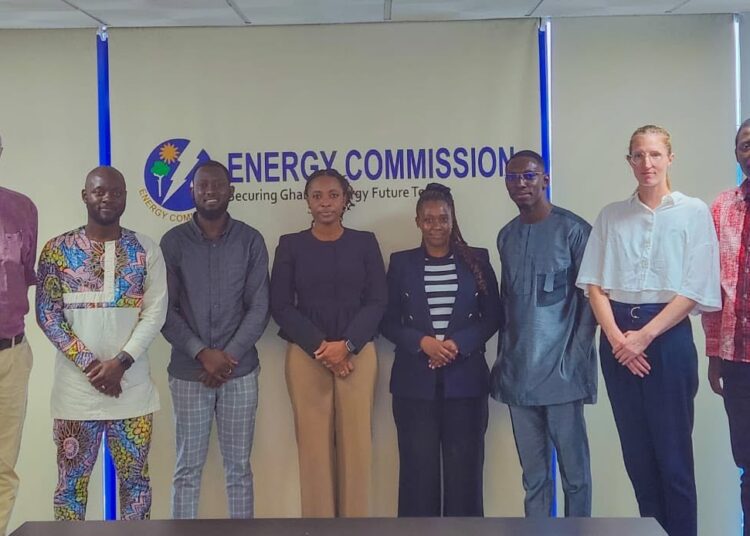
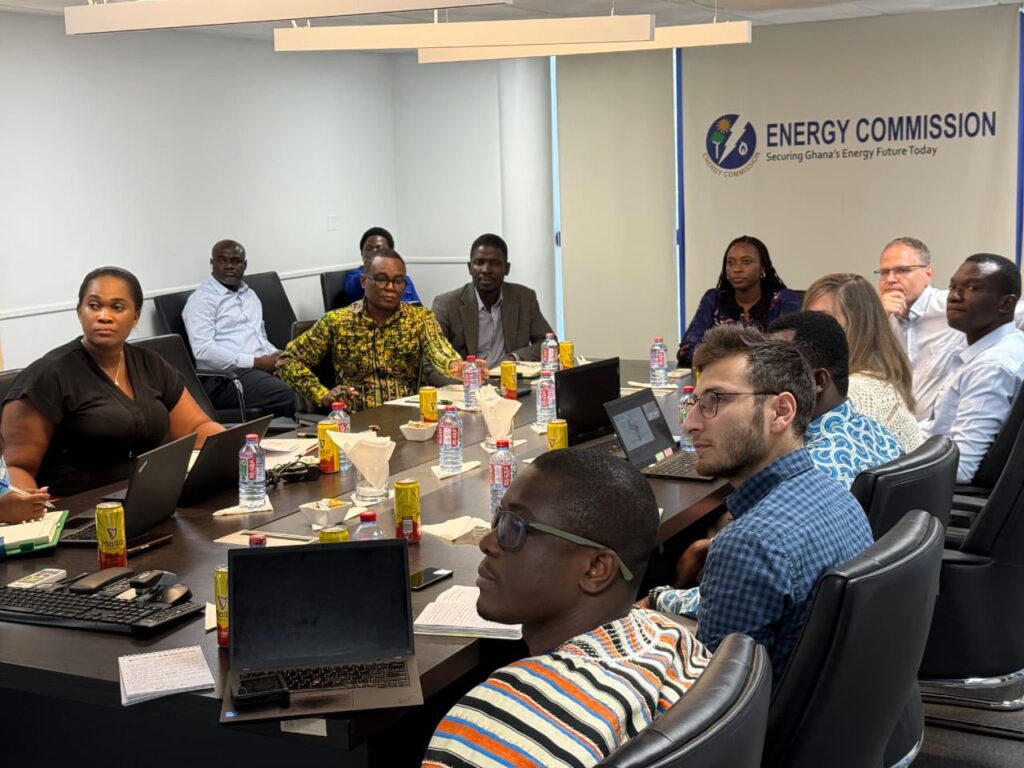
Energy Commission of Ghana has initiated strategic deliberations with a joint delegation from Sustainable Energy Africa (SEA) and the German Development Cooperation (GIZ) to evaluate the nation’s prospective integration into the SEA Programme.
Focused on accelerating the expansion of Distributed Generation (DG) frameworks across the Sub-Saharan region, the high-level collaborative meeting emphasized net-metering structures and decentralized renewable energy deployments.
As the initiative seeks a foundational partner to pilot its expansion across West Africa, Ghana’s structured regulatory baseline has positioned the country as a primary contender for driving sustainable energy integration.
“The Energy Commission of Ghana hosted a delegation from Sustainable Energy Africa (SEA) and the German Development Cooperation (GIZ) to discuss Ghana’s potential participation in the SEA Programme. The visit centred on advancing Distributed Generation, including Net-Metering, across Sub-Saharan Africa, with Ghana positioned as a key country in the initiative’s expansion.”
Energy Commission of Ghana
By exploring this cross-border coalition, the regulatory body seeks to formulate a decentralized mechanism capable of integrating independent, small-scale power generation systems into the existing national grid architecture.
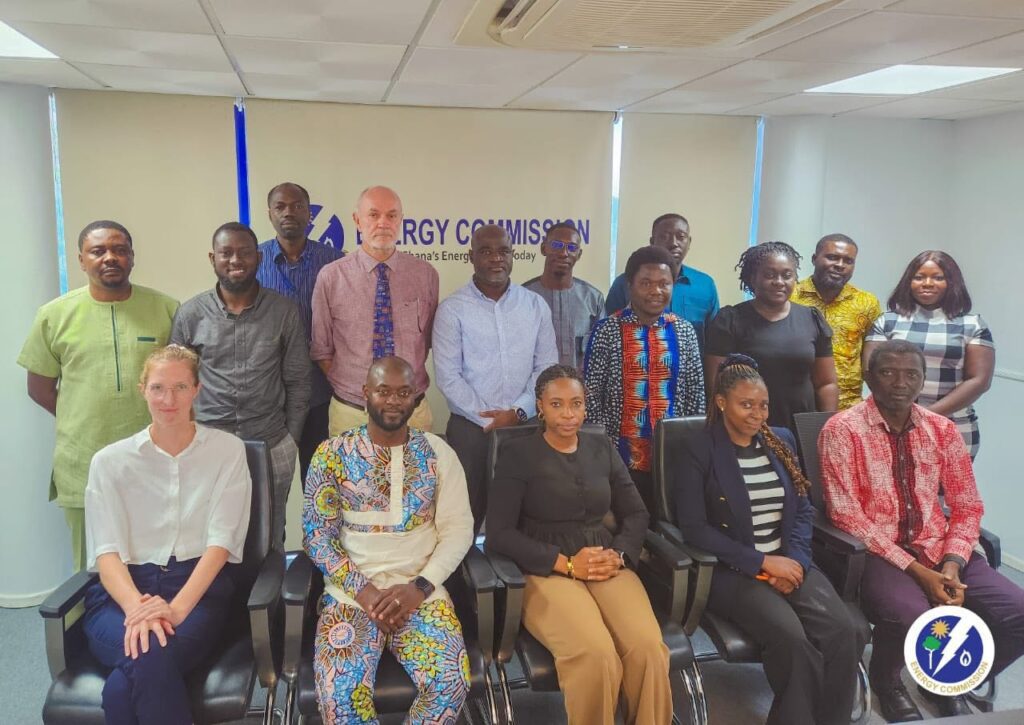
The visiting SEA and GIZ delegates highlighted that while the country has made notable regulatory strides, creating a uniform Sub-Saharan network requires scaling local capacity and streamlining regional technical metrics.
This collaborative framework aims to address the structural bottlenecks inherent in traditional centralized grid networks, deploying localized mini-grids and commercial solar rooftop systems to bridge urban-rural supply disparities.
Harmonizing Regulatory Frameworks and Net-Metering Protocols
The institutional engagement between the domestic regulator and the international delegation introduces a robust mechanism for upgrading the technical guidelines governing net-metering within the Ghanaian power sector.
By aligning local technical codes with the broader benchmarks proposed by Sustainable Energy Africa, the Commission can systematically de-risk private capital investments in decentralized solar installations.
The standardization of smart-meter billing rules and simplified connection parameters will lower the regulatory barriers that currently stall the commercial adoption of industrial scale solar rooftop projects.

Furthermore, integrating international operational blueprints from GIZ will assist local planners in developing resilient grid-connection codes that accommodate high penetration levels of intermittent variable renewable energy (VRE).
Addressing these systemic integration parameters ensures that private distributed generation installations do not compromise grid stability or cause localized voltage fluctuations.
Through peer-to-peer knowledge exchange and localized capacity building, technical engineers will acquire advanced skills in executing real-time load balancing, paving the way for a more flexible, digitized utility ecosystem.
Accelerating Capital Inflow and Infrastructure De-risking
Establishing an institutional linkage with the SEA Programme enhances the bankability of local distributed generation projects by incorporating internationally vetted standardization mechanisms.
Historically, small-scale renewable deployments across the country faced elevated debt-servicing costs due to perceived off-taker risks and extended capital recovery periods.
Through a structured regional partnership, Ghana can leverage blended financing windows backed by the German Development Cooperation to offer concessionary credit lines specifically tailored for commercial and industrial (C&I) clean energy projects.
This de-risking framework directly incentivizes domestic banks to formulate specialized green financing instruments, reducing dependency on sovereign guarantees or direct state funding.
As transactional standardization improves across the West African sub-region, the cost of installing localized energy infrastructure will decrease due to bulk procurement economies of scale.
Consequently, industrial consumers can transition into “prosumers” entities that both consume and generate power thereby shielding their commercial operations from tariff fluctuations while injecting excess clean energy back into the national grid.
Enhancing Regional Power Pool Integration and Grid Resilience
On a macro-operational scale, standardizing distributed generation policies within Ghana directly reinforces the broader operational objectives of the West African Power Pool (WAPP).
As decentralized clean energy networks proliferate across the country, localized grid cells can operate semi-independently, dramatically minimizing transmission losses that typically plague long-distance centralized networks.

This localized operational autonomy increases the overall climate resilience of the national energy infrastructure, ensuring continuity of supply during major transmission line failures or generation shortfalls at large hydro facilities.
Ultimately, utilizing the SEA initiative as a strategic springboard enables Ghana to transition from an isolated clean energy market into a dynamic exporter of decentralized regulatory expertise.
The capacity built through this multilateral partnership will establish a reproducible regulatory template for neighboring West African nations, ensuring a unified cross-border approach to clean energy transitions.
By piloting advanced distributed architecture and cross-border tech assimilation, the country establishes a reliable, decarbonized power network capable of driving long-term industrialization.
READ ALSO: President Mahama Courts Eastern European Capital to Revolutionize Local Agribusiness