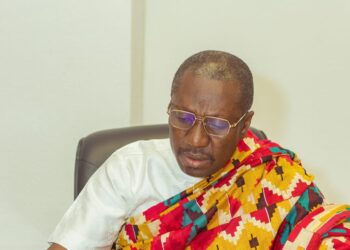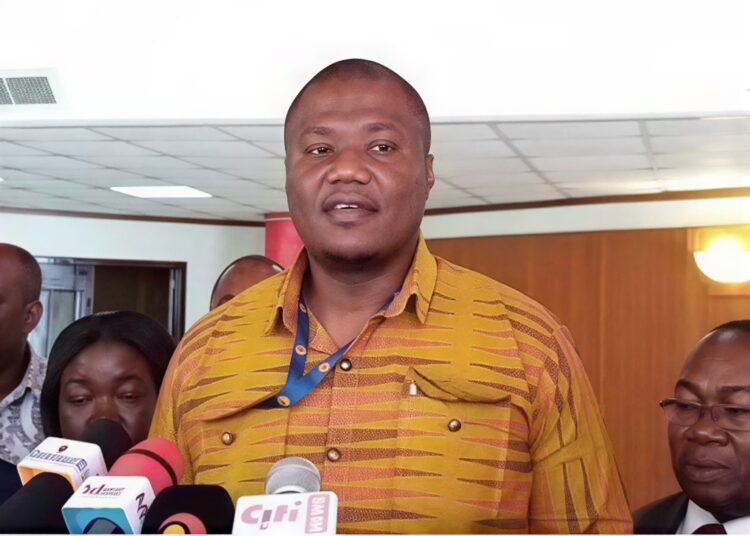
The Ranking Member of Parliament’s Health Committee and Member of Parliament for Effiduase/Asokore, Honourable Nana Ayew Afriyie has criticised the handling of the ongoing industrial tensions involving health workers and management at Komfo Anokye Teaching Hospital. He called for a change from confrontation to structured engagement while stressing that cooperation is central to resolving disputes in the health sector.
He argued that industrial relations within the health sector require calm negotiation and sustained dialogue between leadership and workers. The Member of Parliament referenced earlier interventions by the committee where consensus building helped resolve similar strikes involving nurses and laboratory professionals.
Honourable Afriyie also criticised the “heavy handed approach” in managing labour unrest and called for a more measured style of engagement. He added that collaborative decision making has previously delivered stability within the sector during periods of tension.

“We must approach health workers with positive energy and cooperation, not confrontation that deepens mistrust between leadership and employees. We have worked together before to end nurses’ and laboratory strikes. Good faith must guide engagement, not political tension. Lives are at stake and compromise remains essential for progress.”
Honourable Nana Ayew Afriyie
He also emphasised that sustained dialogue between the minority and majority caucuses in Parliament is necessary to prevent escalation of disputes. According to him, bipartisan cooperation has historically contributed to the resolution of sensitive industrial challenges in the health sector.
The Ranking Member recalled past committee engagements where joint efforts helped restore calm during disruptions in healthcare delivery. He noted that similar coordination should be replicated to safeguard patient care and ensure stability across health facilities nationwide.

Honourable Afriyie also appealed for calm among stakeholders including health worker unions engaged in ongoing discussions on strike action. He stressed that structured negotiations is the most effective path to resolving grievances without disrupting essential healthcare services.
He added that public interest must be central in all negotiations, particularly as prolonged industrial action risks affecting vulnerable patients. The Member of Parliament underscored that both leadership and workers must demonstrate goodwill to achieve lasting resolution.
Healthcare Funding Debate Intensifies Over National Priorities
Honourable Nana Ayew Afriyie questioned current spending priorities and argued that greater allocation to hospital construction would significantly improve healthcare access nationwide. He stated that redirecting resources could accelerate completion of regional, district and psychiatric facilities across the country.
He also linked delays in hospital projects to employment challenges affecting young health professionals entering the workforce. According to him, timely completion of health facilities would expand job opportunities and strengthen service delivery across regions.

“We could have used seventeen billion to complete hospitals across the country. This would deliver regional psychiatric and district hospitals nationwide and it would also address unemployment among young health professionals.”
Honourable Nana Ayew Afriyie
On the suspension of the Chief Executive of Komfo Anokye Teaching Hospital, Honourable Afriyie said administrative decision making processes should be carefully handled and urged consideration of both legal and ethical dimensions in public sector leadership.
He argued that strict legal compliance should be matched with moral responsibility in managing sensitive institutions. The Member of Parliament suggested that improved coordination among senior officials could help prevent internal disagreements that escalate into public disputes.

Honourable Afriyie described the situation as part of governance challenges within public institutions. He called for clearer communication channels between appointed officials and supervising authorities to ensure smooth administrative operations.
He appealed for the suspension decision to be reviewed while urging healthcare workers to maintain service delivery during negotiations. He reiterated that the patient welfare should be the priority as discussions continue on resolving institutional tensions.
The Ranking Member also stressed the importance of sustained investment in healthcare infrastructure and workforce development. He noted that balanced resource allocation is essential for improving access to quality healthcare services across all regions of the country.
READ ALSO: GIPC Boss Pitches Ghana as Access to Africa’s $16 Trillion Market at Belarus Business Forum