United Nations has warned that Central Africa is facing a worsening multidimensional crisis driven by insecurity, humanitarian pressure and growing restrictions on civil and political rights, even as the region records key political milestones.
Briefing the Security Council, Martha Ama Akyaa Pobee, Assistant Secretary-General for the Departments of Political and Peacebuilding Affairs and Peace Operations noted that recent developments in Central Africa reflected both progress and persistent fragility, as outlined in the Secretary-General’s latest report.
She noted that several “important milestones” had been achieved across the region, including the successful holding of critical elections and renewed ambition from the Economic Community of Central African States (ECCAS) to strengthen regional coordination.
Yet, Pobee cautioned that, “these achievements have unfolded against a troubling backdrop,” pointing to deepening security and humanitarian crises, rising socioeconomic pressures, and “most worryingly” increasing restrictions on civic and political freedoms in parts of the region.
According to her, two major centres of instability continue to dominate the regional security landscape: eastern Chad and the wider Lake Chad Basin, where armed groups remain active and civilian populations continue to face repeated attacks.

The crisis has been further intensified by the spillover of the war in Sudan, now entering its fourth year.
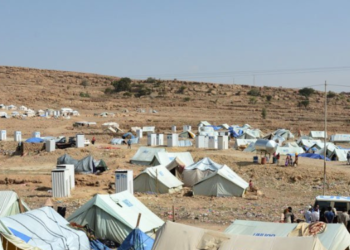
UN estimates that more than 900,000 Sudanese refugees and 300,000 Chadian returnees have crossed into Chad since April 2023, placing severe strain on already limited national resources and worsening an existing humanitarian emergency.
Meanwhile, civilians in Cameroon and Chad continue to suffer violence and human rights abuses attributed to Boko Haram-affiliated factions and splinter groups, which exploit weak state presence in remote border areas.
Pobee stressed that regional military cooperation remains essential, highlighting the Multinational Joint Task Force (MNJTF) comprising troops from Cameroon, Chad, Nigeria and Benin as a key instrument in countering extremist threats in the Lake Chad Basin.
However, she warned that military action alone would not resolve the underlying drivers of instability.
A sustainable response, she said, must include stronger international support for development initiatives, particularly those led by the Lake Chad Basin Commission, which focuses on cross-border resilience and recovery programmes.
Pobee also noted that, “there is a worrying trend of increasing restrictions on civil and political rights in several parts of Central Africa,” warning that if such developments continue unchecked, they risk narrowing civic space and undermining long-term stability, potentially fuelling further conflict.

In addition,Deputy Ambassador Anna M. Evstigneeva of the Russian Federation, also highlighted the continued presence of terrorist groups in Central Africa and warned of the relocation of foreign fighters from other global conflict zones to Africa.
She pledged Russia’s continued cooperation with African partners in counter-terrorism efforts, while also stressing the need to address structural economic challenges, including debt burdens affecting many countries in the region.
Evstigneeva also argued that external geopolitical tensions were contributing to economic instability in Africa, referencing broader international conflicts and what she described as inequitable global economic relationships affecting resource-exporting countries.
International Community Calls for Stronger Cooperation on Central Africa Crises
Moreover, International stakeholders at the United Nations Security Council have called for strengthened cooperation and sustained international engagement to address the worsening security, humanitarian and development challenges facing Central Africa, particularly in the Lake Chad Basin and neighbouring conflict-affected regions.
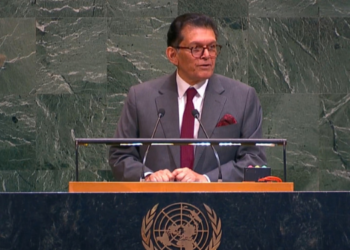
Ambassador Zenon Ngay Mukongo of the Democratic Republic of the Congo, speaking also on behalf of Liberia and Somalia, reaffirmed support for the UN Regional Office for Central Africa (UNOCA), praising its role in preventive diplomacy, mediation and regional coordination.
Despite persistent instability, he said the region continues to demonstrate resilience. “The countries and the peoples of Central Africa continue showing resilience and commitment to peace and stability,” Mukongo stated.
However, he warned that insecurity remains deeply entrenched, particularly due to ongoing attacks by Boko Haram and affiliated groups in Cameroon and Chad. He reaffirmed support for the Multinational Joint Task Force (MNJTF), stressing that military responses alone are insufficient to address the crisis.
Mukongo emphasized the need to combine security operations with long-term stabilization efforts, including recovery programmes, development initiatives and measures aimed at preventing the recruitment of vulnerable populations into armed groups.
He further highlighted the worsening humanitarian situation across the region, noting that millions of people are facing displacement, food insecurity, disease outbreaks and limited access to basic services. Funding shortfalls, he warned, are forcing humanitarian agencies and governments into increasingly difficult decisions.
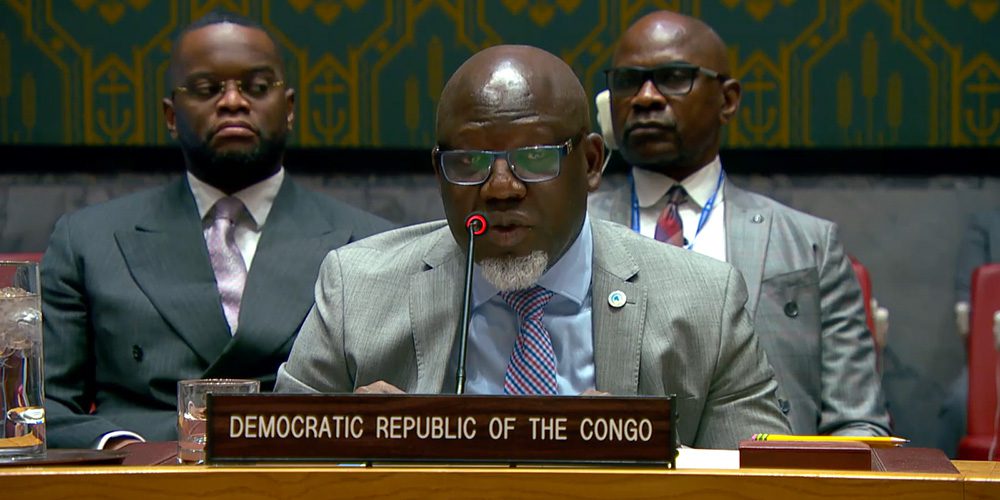
“We call on the international community to provide greater support to Chad and to other impacted countries,” he said, urging stronger financial and operational backing for ongoing relief efforts.
Mukongo also called for enhanced coordination between international and regional bodies, including the United Nations, African Union, Economic Community of Central African States (ECCAS) and the Lake Chad Basin Commission. He stressed that only a unified approach could address the interconnected nature of the region’s crises.
“Dialogue, cooperation, and the responses provided by the Africans themselves, supported by international partners, are the effective pathway towards peace, security, and sustainable development.” .
Zenon Ngay Mukongo
Furthermore, Deputy US Ambassador Jeffrey Bartos reiterated Washington’s alliances with Central African nations during the Security Council session, demonstrating the United States’ support for regional security initiatives.

“The US values our partnerships with Member States across central Africa, which support everything from mutual prosperity to greater peace and stability.”
Jeffrey Bartos
He denounced the continued acts of terror by Boko Haram, ISIS-West Africa, and other extremist organisations that have caused massive displacement and suffering among civilians.
He also called for an urgent, unconditional humanitarian truce and warned that the continued fighting in Sudan is having destabilising repercussions throughout the larger Central African region.
United Kingdom also has expressed deep concern over the ongoing Ebola outbreak in eastern Democratic Republic of Congo (DRC) and neighbouring countries, warning that continued conflict in the region is complicating efforts to contain the deadly disease and protect vulnerable communities.

UK Deputy Permanent Representative to the UN, Ambassador Archie Young, called for greater cooperation among governments, humanitarian agencies and international partners to curb the outbreak and address broader security and humanitarian challenges facing the region.
He also urged all parties to work together to support health authorities and humanitarian organisations responding to the crisis.
To strengthen the response, the United Kingdom has committed more than $26 million in new funding for the World Health Organization (WHO), the United Nations and other international partners.
READ ALSO: 19th Africa Energy Indaba Sets to Ignite Continental Power Revolution