The Director of Communications For NPP, Richard Ahiagbah has stated that public office is underpinned by trust and accountability while commenting on the return of Sedina Tamakloe Attionu. The NPP Communications Director argued that once public trust is questioned, legal institutions must act without hesitation to ensure accountability is upheld.
He indicated that the recent extradition development does not represent a moment for celebration but rather a reminder of civic responsibility. The politician stressed that individuals who serve in public office are bound by ethical expectations that extend beyond political affiliations.
Ahiagbah explained that the case under discussion reflects broader principles of governance and responsibility in public administration. He further noted that legal accountability remains essential when public trust is perceived to have been compromised.

“The law must take its course. Public service is trust. Once that trust is questioned there is no celebration. She served as a matter of principle. If there were concerns about her service, she ought to be here to answer them, but somehow, she ran away.”
Richard Ahiagbah
He added that the return of the individual in question should lead to compliance with legal obligations rather than public acclaim. The politician emphasised that accountability mechanisms must operate consistently regardless of political background or personal connections.
The NPP Communications Director referenced concerns raised about public perception of justice and suggested that law enforcement actions should remain independent of political interpretation. He highlighted that the process should reinforce confidence in Ghana’s legal system rather than fuel partisan debate.
Ahiagbah explained that previous actions leading to the extradition process were initiated under previous administration. He stated that the continuity of legal procedures demonstrates institutional persistence in addressing matters of public interest.

He noted that public officials are expected to respond to allegations through established legal channels rather than avoid due process. The politician added that accountability is a cornerstone of democratic governance and institutional credibility.
Accordingly, he stressed that Ghana’s justice system must continue to function on the basis of evidence and procedure. He emphasised that the presumption of innocence remains a key principle that must be respected throughout legal proceedings.
He also argued that consistency in applying the law strengthens public confidence in state institutions. The politician urged stakeholders to allow legal processes to proceed without unnecessary interference or politicisation.
Legal Process And Political Debate Shape Extradition Discourse
The NPP Communications Director, Richard Ahiagbah accentuated that legal procedures surrounding extradition cases must remain distinct from political interpretations. He explained that attempts to politicise ongoing legal matters risk undermining public confidence in justice delivery.
He referenced discussions involving former Finance Minister Ken Ofori Atta and noted that the legal status of each case differs significantly. The politician pointed out that one matter involves a concluded judicial outcome while the other remains under legal examination.
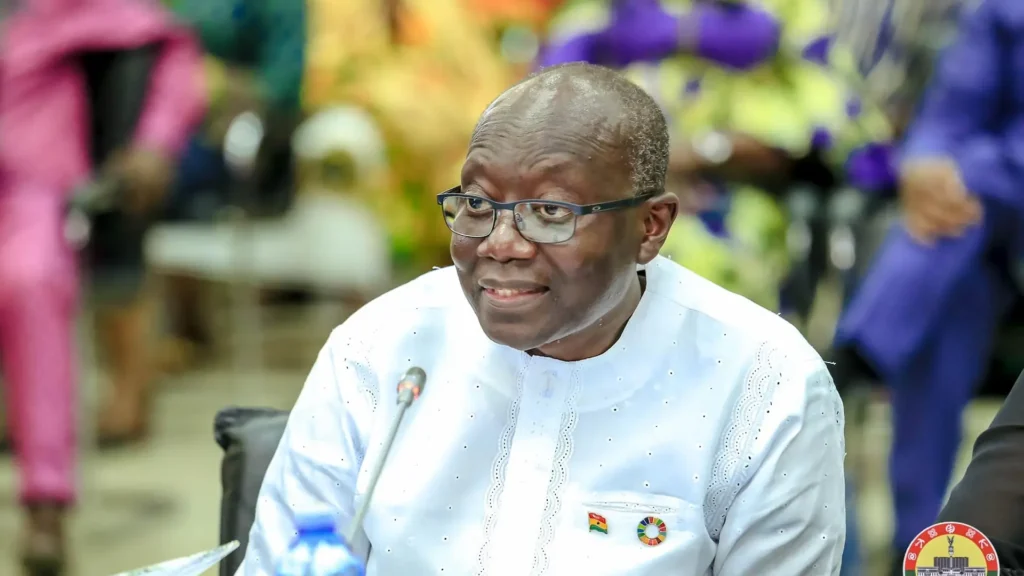
“The NDC decided to politicise the matter involving Ken Ofori-Atta. It is they who politicised the issue involving Ken Ofori-Atta, which ought not to be politicised at all. The principle, as I indicated to you, is that public service is trust and when that trust is questioned, the law is the only way to settle it. When people have served and are seen to have done something untoward, we should allow the law to deal with it. So when you want to bring Ken Ofori-Atta back to the country, you do not politicise the matter. You go through the processes and bring him back.”
Richard Ahiagbah
He further highlighted that legal representatives involved in ongoing cases are actively engaging courts to resolve procedural concerns. The Communications Director stressed that such engagements reflect the importance of due process in democratic governance.
Ahiagbah also addressed concerns surrounding extradition timelines and procedural delays. He explained that legal processes often involve multiple stages of verification and coordination between jurisdictions.

He added that earlier political discourse surrounding extradition cases contributed to heightened public attention on accountability issues. The politician noted that public debate should not override structured legal procedures.
The Communications Director emphasised that Ghana’s justice system operates on the principle of innocent until proven guilty. He stated that this principle must guide all extradition and accountability discussions.
He further remarked that consistency in legal application is essential for maintaining institutional trust. The politician indicated that selective interpretation of justice limits democratic credibility.
Ahiagbah also referenced concerns about prosecutorial discretion and legal authority in handling high profile cases. He suggested that public expectations should remain aligned with established legal frameworks.
He emphasised that Ghana’s democratic system depends on respect for legal boundaries and institutional independence. The politician called for continued reliance on lawful mechanisms to resolve disputes involving public officials and state accountability.