The seven-member investigative committee tasked with probing the devastating fire outbreak at the Akosombo Substation has officially attributed the inferno to insulation failure, a structural defect that plunged the country into darkness by wiping out 1,000 megawatts of power generation capacity.
The investigation confirmed that the catastrophic failure within the system triggered a rapid chain reaction, leading to an immediate operational crisis within the transmission infrastructure.
“This should be a wake-up call for us so that we can strengthen the system, to make it more responsible, improve our emergency response system, our maintenance culture and more importantly invest in the grid in order to have a resilient energy sector.”
Energy Minister
The fire outbreak reportedly occurred on Thursday, April 23, when the substation, one of the most vital installations within Ghana’s electricity transmission network, was suddenly engulfed by flames.
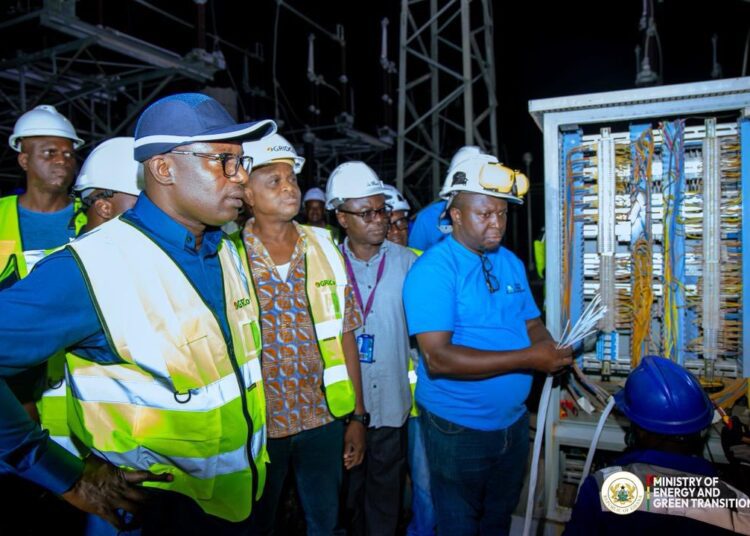
Sweeping through the high-voltage infrastructure, the fire ravaged the switch system and the primary control room for the switch yard of the Akosombo Dam, forcing emergency responders to scramble to contain the disaster.
Following the near-total destruction of the facility, the Energy Minister subsequently formed a seven-member committee to investigate the fire outbreak, giving the technical experts a strict four-week deadline to compile a comprehensive report detailing structural lapses and actionable recommendations.
Technical Failure and Grid Impact
The catastrophic failure of the transmission system physically incapacitated the evacuation of power from the generation turbines, causing a severe deficit that wiped out nearly 70% of the transmission capacity directly linked to the Akosombo Hydroelectric Dam.
As a direct consequence of the physical asset damage, engineers were forced to completely shut down operations at the dam to prevent catastrophic turbine feedback, instantly removing an indispensable chunk of supply from the national energy mix.
The sudden loss of 1,000 megawatts created severe disruptions across various administrative regions, inducing widespread load shedding that crippled commercial enterprises, disrupted industrial production lines, and left millions of residential consumers in prolonged darkness.
To protect the integrity of the surviving grid architecture from total system collapse, state authorities were forced to halt electricity exports to neighboring West African countries, prioritizing domestic emergency stabilization instead.
The electricity deficit heavily compromised downstream generation at the Kpong Dam due to altered water flow regulations, highlighting the systemic vulnerability of Ghana’s energy architecture when its primary switching hub fails.
Committee Findings and Strategic Recommendations
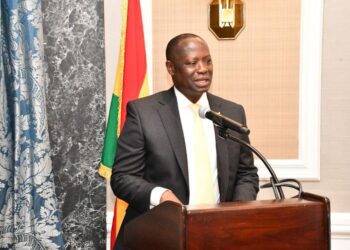
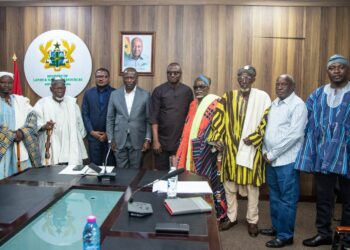
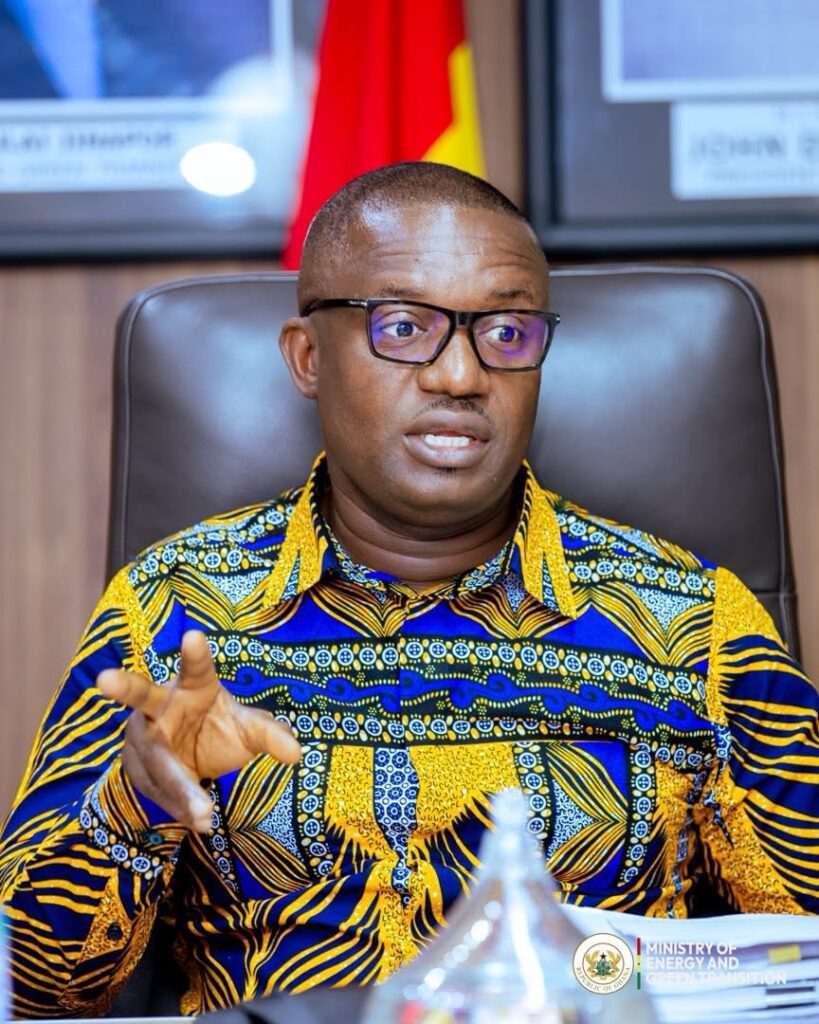
Chairman of the Committee, Engineer Amoo Narh on Thursday, June 11, 2026 presented final investigation report to the Minister of Energy and Green transition, Dr. John Jinapor.
The detailed brief underscored the aging nature of the transmission infrastructure, identifying critical vulnerabilities within the protective assets that govern the sub-station’s high-voltage operations.
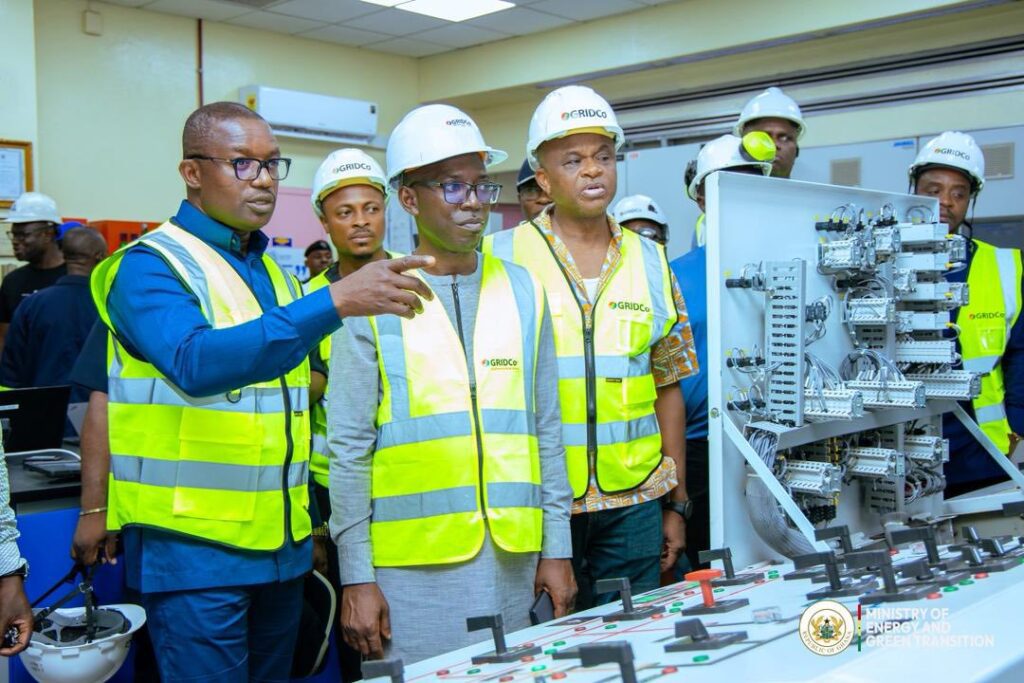
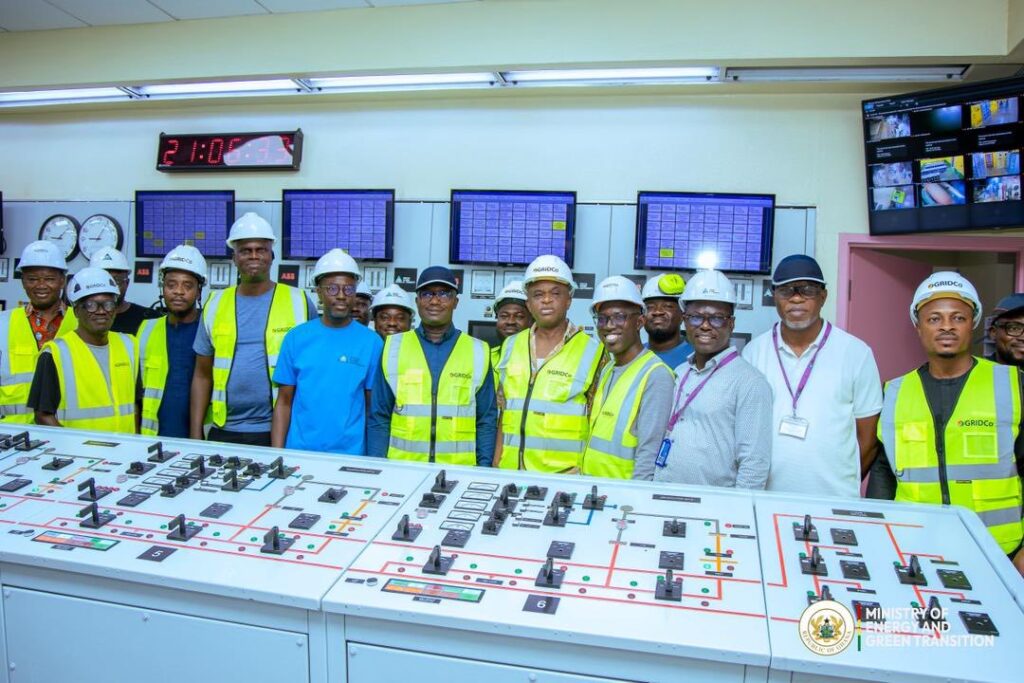
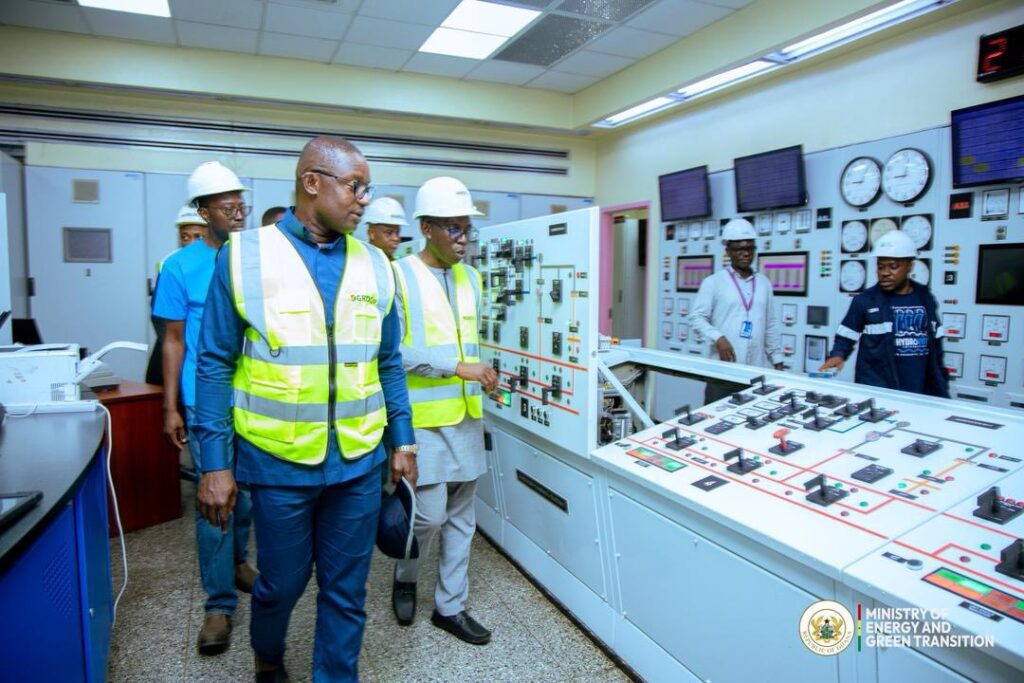
The committee recommends that a state-of-the-art control room be established to replace the current one being used which was built in 1964, emphasizing that the six-decade-old layout lacks modern thermal monitoring and fire-suppression mechanisms.
Accepting the comprehensive findings during the official presentation ceremony, the Minister accepted the report and assured that it will make full use of its recommendations to execute immediate structural overhauls.
Dr. Jinapor informed stakeholders that a temporal control center is being built with plans to establish an ultra-modern control room in the future, signaling a transition toward automated digital grid management. He added that “already, I know that the control center, the temporal one is being built,” while affirming that the administration recognizes the structural necessity of building an asset “that is fit for purpose.”
Financial Self-Reliance and Energy Security
The ministerial briefing following the report presentation shifted toward long-term policy adjustments, specifically addressing the persistent capital shortfalls that hinder regular grid maintenance and technological upgrades.
Dr. Jinapor underscored the need for the sector to be able to finance its own activities and be self-reliant, warning that relying on state interventions leaves infrastructure vulnerable to delayed upgrades.
He remarked that “we cannot continue to fall on a national budget for huge sums of monies to subsidize that sector,” pushing for commercial accountability among utility distributors.
Transitioning the state infrastructure toward complete financial independence is now seen as a critical prerequisite for achieving a robust, self-sustaining utility market.
The Ministry of Energy and Green Transition intends to use the crisis to enforce strict infrastructure audit protocols across all high-voltage transmission nodes nationwide.
By implementing self-sustaining financial frameworks, energy authorities plan to guarantee that regular maintenance cycles are funded independently, ensuring that outdated components from previous decades are systematically replaced before causing catastrophic grid failures.
READ ALSO: UEFA Hands Omar Artan Super Cup Appointment in Powerful Show of Recognition