
Football has long been celebrated as a force that unites people across cultures, languages, and nationalities.
In South Africa, the beautiful game has benefited immensely from the contributions of players from across Africa and beyond. However, recurring xenophobic attacks and anti-foreigner sentiment continue to threaten the spirit of unity that football represents especially across borders in Africa.
The South African football landscape, particularly the Premier Soccer League (PSL), has been enriched by foreign talent for decades. Players from countries such as Ghana, Nigeria, Zimbabwe, Zambia, Mozambique, Uganda, the Democratic Republic of Congo and others have played key roles in helping clubs win domestic and continental trophies. Many of these players have become fan favorites and club legends.

Xenophobic violence in South Africa is not a new phenomenon. Since the early 2000s, the country has witnessed periodic outbreaks of violence targeting foreign nationals, particularly migrants from other African countries.
This renewed attacks have often been fueled by economic frustrations, unemployment, competition for jobs, and misconceptions about immigration. These incidents have repeatedly drawn condemnation from African governments, civil society groups, and international organizations.
Despite the concerns, there have been no reported cases of professional footballers being directly targeted by xenophobic attacks. Most foreign players in South Africa possess the necessary documentation to live and work legally in the country and are generally protected within professional football environments.
Foreign Players Remain Safe But Recruitment Could Suffer
Former Asante Kotoko goalkeeper Fredrick Asare, who currently plays for Durban City FC, recently noted that foreign footballers have not experienced attacks and continue to enjoy strong support from local communities. According to the Ghanaian shot-stopper, South Africans appreciate the contributions of foreign players and often treat them with respect and admiration.

However, the broader perception created by recurring xenophobic incidents could still have long-term consequences for South African football. While current foreign players may feel secure, prospective signings and their families could become hesitant about relocating to South Africa.
Agents frequently consider social conditions and security concerns before recommending destinations to players, especially young talents seeking their first move abroad.
Should concerns over xenophobia persist, PSL clubs may find it more difficult to attract some of Africa’s brightest talents. The league has historically benefited from recruiting top players from across the continent, many of whom have helped elevate the quality and competitiveness of South African football.
Talents like Richard Ofori from Ghana, Khama Billiat of Zimbabwe, Denis Onyango from Uganda, Edwin Gyimah (Ghana) and many from Nigeria and beyond have helped South African clubs win continental and domestic glory.
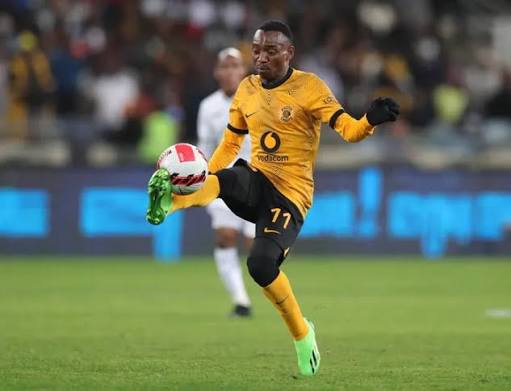
A reduction in foreign recruitment could weaken squad depth, reduce competition for places, and ultimately affect the performances of clubs in both domestic and continental competitions.
Growing Continental Backlash Against Bafana Bafana
The effects of xenophobia extend beyond club football and are increasingly influencing perceptions of South African football across the continent. Negative sentiment generated by attacks on foreign nationals has led some African supporters to distance themselves from South African teams and football institutions.
At the ongoing FIFA World Cup in the United States, Canada, and Mexico, many African football fans have openly expressed frustration over xenophobic incidents in South Africa.
During Bafana Bafana’s opening match against Mexico, social media platforms were filled with supporters from various African countries backing the North American side rather than the African representatives. For many observers, this reflected growing disappointment over the treatment of foreign nationals in South Africa.
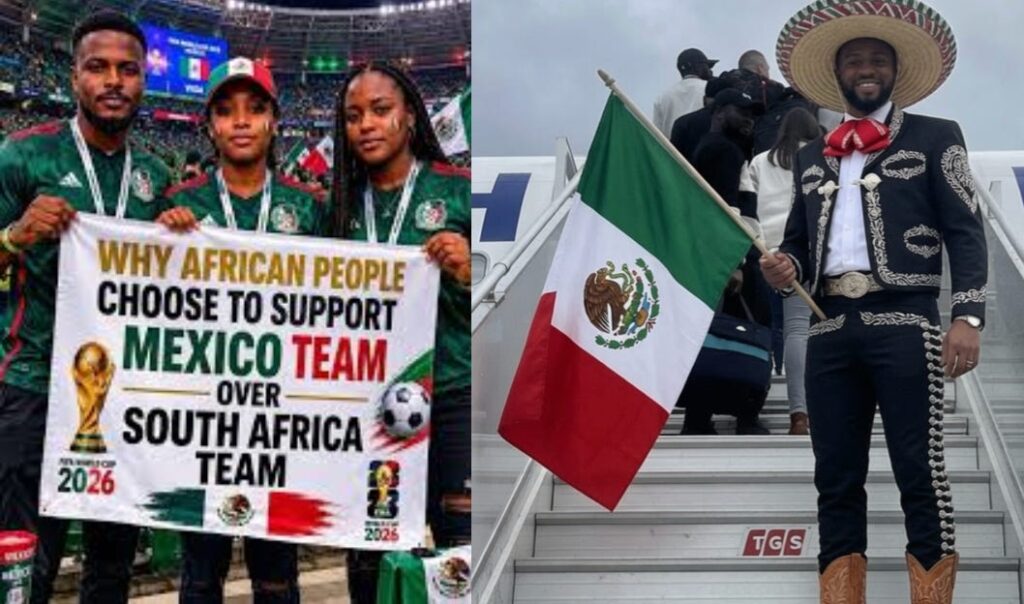
Such reactions could have wider implications for South Africa’s football ambitions. Bafana Bafana returned to the World Cup after a 16-year absence and would ordinarily expect significant backing from neutral African supporters eager to see an African nation succeed on the global stage. Instead, portions of that support have been diminished by lingering resentment linked to xenophobic violence.
While fan support alone does not determine results on the pitch, footballers often draw motivation from the goodwill and encouragement of supporters across the continent. A lack of continental solidarity could affect the atmosphere surrounding South Africa’s World Cup campaign and reduce the emotional backing that many African nations typically enjoy during major international tournaments.
That was at play at the Azteca Stadium on June 11 when a repeat of the 2010 FIFA World Cup opening game saw El Tricolor romp to a 2-0 win over South Africa with support from other African nationals who were among the 80,000 fans at the stadium.
For the players themselves, xenophobia also creates emotional and psychological concerns. Many foreign footballers live with their families in South Africa and often regard the country as a second home.
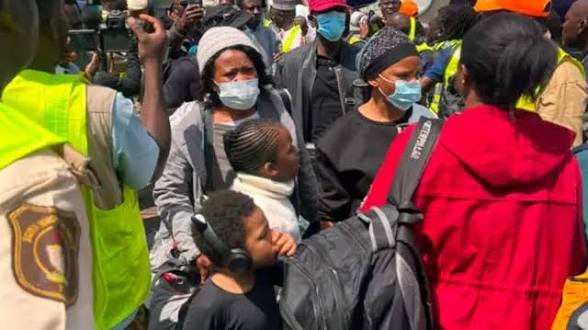
Even if they are not directly affected, reports of attacks against fellow Africans can create anxiety and uncertainty. Footballers perform best when they feel safe, welcomed, and valued by the communities around them.
Football leaders have repeatedly condemned xenophobia and called for unity. Coaches, administrators, and players continue to emphasize that football should be a platform for inclusion rather than division, reflecting the diverse nature of both the PSL and African football as a whole.
As South African football continues to compete on the continental and global stage, addressing xenophobia is not only a social responsibility but also a sporting necessity. The future success of South African football depends on its ability to attract talent, maintain positive relationships across Africa, and uphold the values of respect and unity that make football the world’s most popular sport.
In the end, football has the power to bring people together. South Africa’s football community must continue to stand firmly against xenophobia and ensure that every player, regardless of nationality, feels welcome to contribute to the growth and success of the game.
READ ALSO: Mahama Would Win 2024 Rerun by 63.3% – Poll