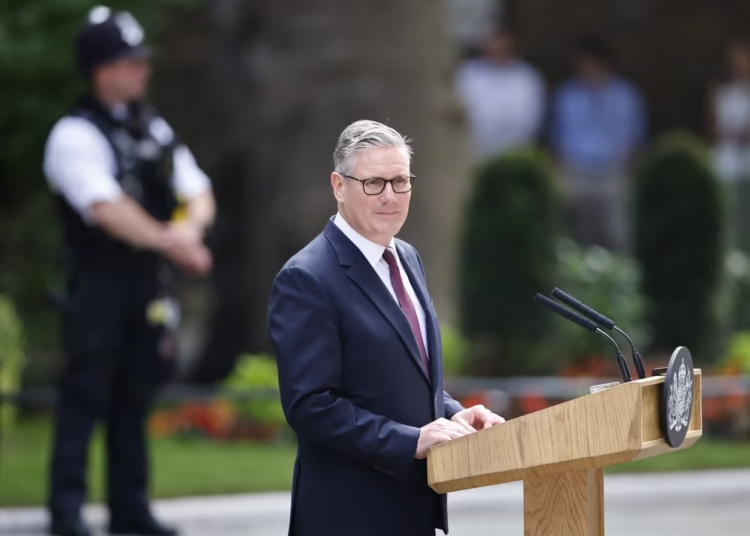
UK Prime Minister, Keir Starmer has announced his resignation as leader of the Labour Party and confirmed his intention to step down as Prime Minister, bringing a dramatic end to a premiership that began with historic promise but ultimately succumbed to mounting political pressure from within his own party.
The announcement, delivered outside Number 10 Downing Street marks one of the most significant moments in British politics in recent years and sets the stage for another leadership transition in a country that has already seen an extraordinary turnover of Prime Ministers over the past decade.
Starmer’s departure comes less than two years after he led Labour to a landslide general election victory in July 2024, ending years of Conservative rule and returning the party to power with a commanding parliamentary majority.
At the time, many Labour supporters viewed his victory as the beginning of a new political era. Instead, persistent internal tensions, declining public support and growing concerns among Labour lawmakers about the party’s future electoral prospects gradually eroded his authority.
The immediate catalyst for his resignation was the stunning victory of Andy Burnham in last week’s Makerfield by-election. Burnham’s decisive win over Reform UK was widely interpreted within Labour as evidence that the former Greater Manchester mayor could reconnect with voters who had become increasingly disillusioned with Starmer’s leadership.
The by-election result transformed long-running speculation about Labour’s future into an urgent debate about who should lead the party into the next general election.
Appearing before reporters outside Downing Street, Starmer acknowledged that the confidence of his parliamentary party had diminished and said he had accepted the verdict of his colleagues.
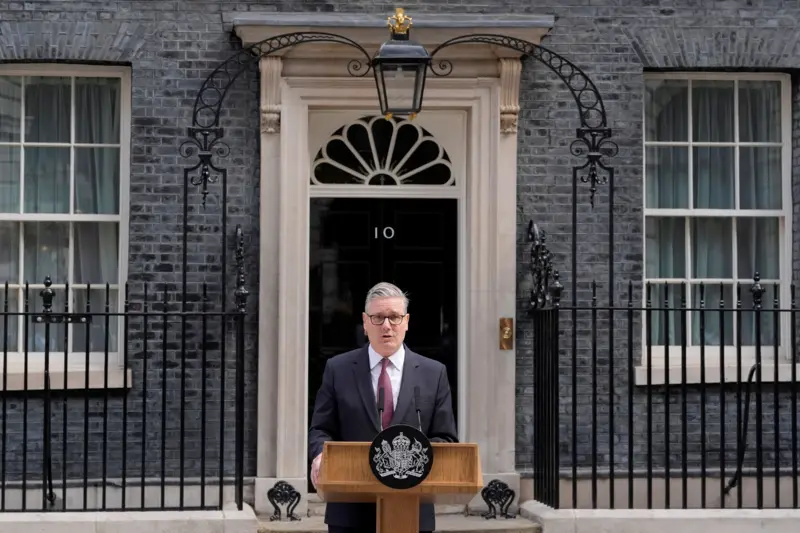
“The question my party is asking now is whether I am best placed to lead us into the next general election. I have heard the answer of my parliamentary party to that question, and I accept that answer with good grace. Every decision I have taken has been about putting the country I love first.”
Keir Starmer
Moreover, Starmer revealed that he had already informed King Charles III of his intention to step down.
Although he will remain in Downing Street during the transition process, Starmer’s resignation effectively opens the race to become Britain’s next prime minister. Depending on how Labour manages the succession process, the country could soon be preparing to welcome its seventh Prime Minister in just ten years.
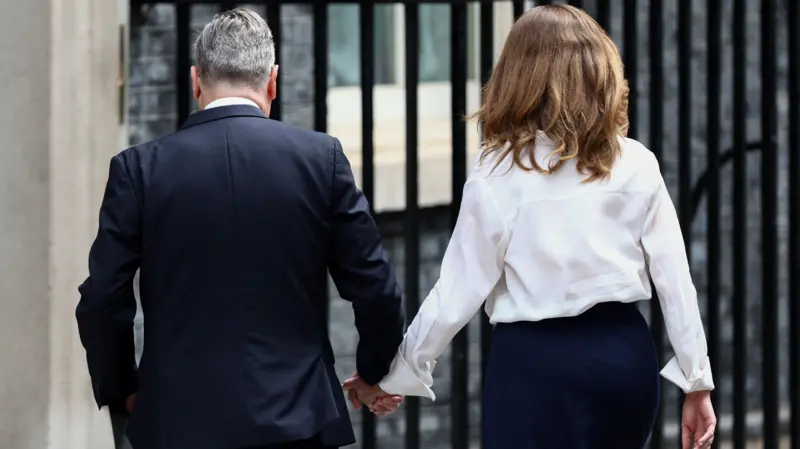
Starmer’s decision followed days of intense discussions with senior ministers, advisers and family members. He spent the weekend at Chequers, the prime minister’s official country residence, where he reportedly reflected on his political future alongside his wife, Victoria Starmer.
Sources within Labour suggest that more than half a dozen cabinet ministers had privately urged him to consider stepping aside. Those conversations intensified after Labour suffered record losses in local elections earlier this year, exposing deep concerns among MPs about the party’s standing with voters.
Several lawmakers reportedly warned that Nigel Farage’s Reform UK posed a growing threat that Labour under Starmer appeared increasingly unable to counter effectively.
Moreover, the resignation represents a remarkable fall for a politician who only two years ago appeared to have secured his place among Labour’s most successful leaders.
Starmer became just the fourth Labour leader in modern history to win a general election and delivered the party’s strongest parliamentary performance since Tony Blair’s 1997 landslide.
Yet a combination of controversial policy decisions, poor polling numbers and dissatisfaction among MPs steadily weakened his position.
Among the decisions that drew criticism were cuts to welfare programmes, restrictions on winter fuel support and a series of policy reversals that opponents within Labour viewed as evidence of weak leadership.
Those frustrations became increasingly apparent during local election campaigns, where many Labour MPs reported widespread voter dissatisfaction on the doorstep.
Burnham Moves Into Pole Position as Labour Faces Defining Leadership Battle
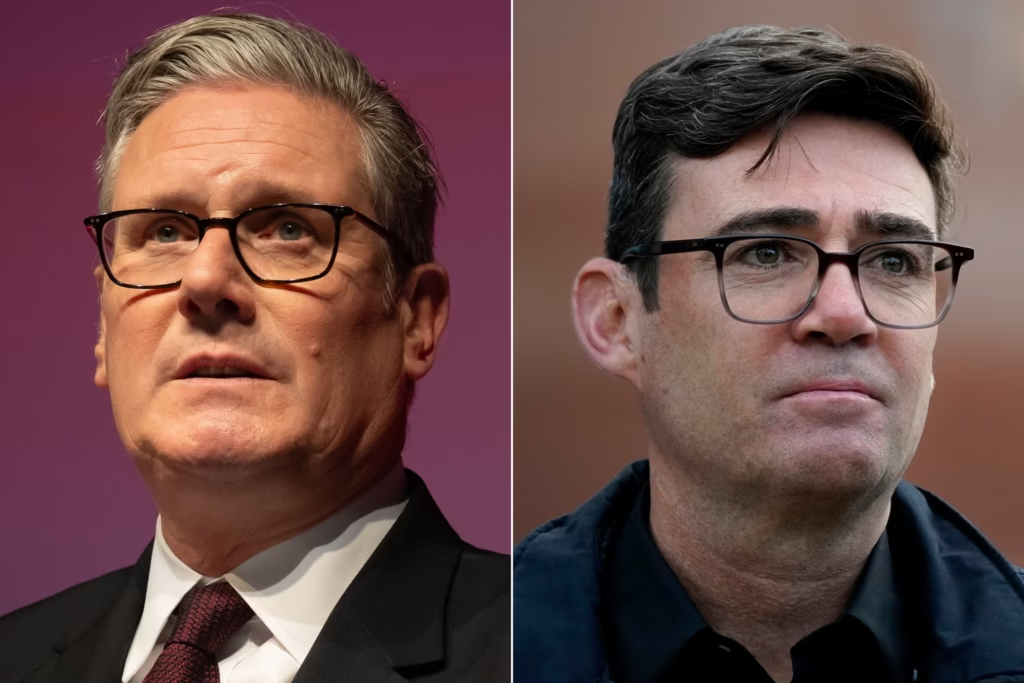
With Starmer’s resignation now official, attention has rapidly shifted toward the contest to determine his successor.
At the centre of the discussion is Andy Burnham, whose return to Parliament through the Makerfield by-election has dramatically altered Labour’s political landscape.
For many MPs, Burnham’s victory demonstrated an ability to appeal to working-class voters and reconnect with communities that Labour risks losing to Reform UK. His success has positioned him as the overwhelming favourite to become the next Labour leader and potentially the next prime minister.
However, despite Burnham’s strong position, questions remain over whether Labour will experience a competitive leadership election or move swiftly toward a consensus candidate.
One figure still being closely watched is former Health Secretary Wes Streeting. Although Streeting resigned from government amid growing unrest over Starmer’s leadership, he is understood to retain support among a significant bloc of MPs and could decide to contest the leadership.

If he secures the required nominations, Labour members may be presented with a genuine choice between competing visions for the party’s future.
Others within the party believe a drawn-out contest would risk further damaging Labour’s standing with voters and prefer a rapid transition that would allow the government to focus on governing rather than internal politics.
Some MPs have also expressed concerns that Burnham may not yet be fully prepared for the immense responsibilities of leading the country, arguing that a formal leadership contest would provide an opportunity to test his policies and leadership credentials.
At the same time, discussions have reportedly begun regarding a potential transfer of power. Burnham’s allies are said to be quietly preparing for the possibility of government, while Labour officials seek to maintain stability during what could become a highly sensitive period.
Whoever succeeds Starmer will also have to confront the growing popularity of Reform UK and rebuild confidence among voters who have become increasingly sceptical of mainstream politics.
Despite the circumstances of his departure, the Prime Minister has pledged to support his successor and ensure a smooth transition.
READ ALSO: Government Misses GH¢5.27bn T-Bill Target Again Despite Rising Interest Rates