Reliable and affordable electricity will be central to Ghana’s ambitions of building a competitive digital economy, the Deputy Executive Secretary of the Energy Commission, Chris Nanabanyin Yalley, has said.
Speaking at the maiden Annual Labour Law Conference organised by the Labour Law Society of Ghana, Mr. Yalley said the country’s growing reliance on digital platforms, artificial intelligence, cloud computing and data centres makes a stable electricity supply more important than ever.
He argued that Ghana’s digital transformation agenda cannot succeed without a resilient energy system capable of supporting businesses, innovation and emerging technologies.
Reliable electricity is the backbone of Ghana’s digital economy. Without dependable power, digital platforms, businesses, and emerging technologies such as artificial intelligence and data centres cannot function or thrive.
Chris Nanabanyin Yalley, Deputy Executive Secretary, Energy Commission
Powering a digital future
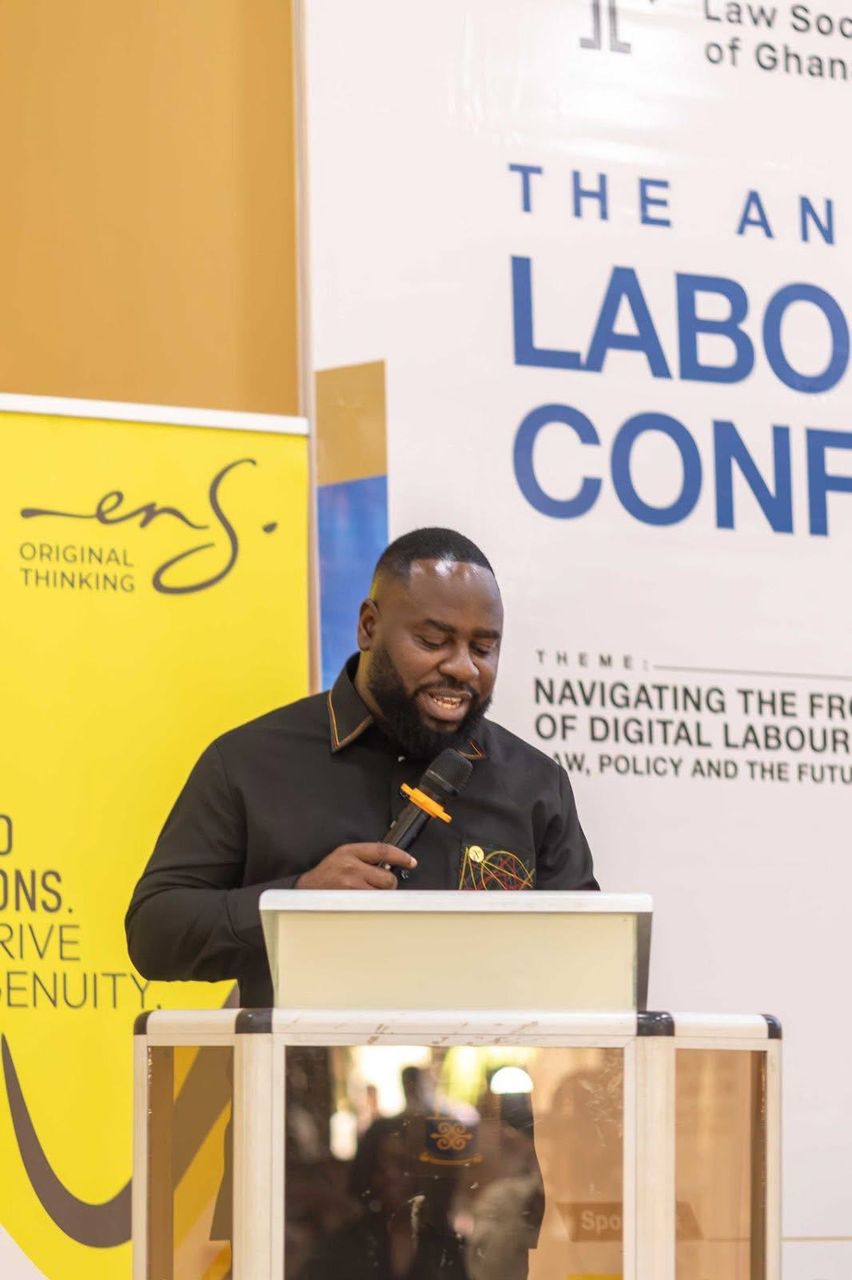
Mr. Yalley said the Energy Commission remains committed to promoting a reliable, safe and sustainable energy sector capable of supporting the country’s long-term economic transformation.
He explained that as Ghana embraces digitalisation across both the public and private sectors, dependable electricity will increasingly become a strategic national asset rather than simply a utility service.
According to him, sectors ranging from financial technology and telecommunications to manufacturing and digital services all depend on uninterrupted power supply to remain productive and competitive.
He noted that investments in digital infrastructure must therefore be matched by corresponding investments in energy infrastructure to ensure sustainable growth.
Digital tools improving service delivery
Mr. Yalley also highlighted a number of digital initiatives introduced by the Energy Commission to improve efficiency, strengthen consumer protection and modernise regulatory services.
Among them is the Installation Completion Certificate Application (ICCAPP), which digitises the certification process for electrical installations.
He also cited the Certified Electrician GH mobile application, which enables consumers to verify qualified electricians and access information that promotes electrical safety and regulatory compliance.
According to him, the use of digital platforms is helping improve service delivery while making it easier for consumers and industry stakeholders to interact with the Commission.
The initiatives also support broader efforts to improve standards and accountability within Ghana’s electricity sector.
Renewable energy remains a priority
Beyond digitalisation, Mr. Yalley reaffirmed the Commission’s commitment to expanding renewable energy as part of Ghana’s long-term energy strategy.
He said investments in solar, wind and biomass remain critical to building a cleaner, more resilient and sustainable energy system capable of meeting the country’s future electricity needs.

The transition toward renewable energy, he noted, is expected to strengthen energy security while supporting Ghana’s environmental and climate objectives.
His remarks come as government continues implementing policies aimed at increasing the share of renewable energy in the national electricity mix and attracting investment into clean energy projects.
Building future innovators
Mr. Yalley also underscored the importance of investing in young people to support the country’s energy transition.
He pointed to the Senior High Schools Renewable Energy Challenge as one of the Commission’s flagship initiatives designed to nurture innovation and expose students to practical renewable energy solutions.
The competition encourages students to apply science, technology and engineering knowledge to develop ideas capable of addressing real-world energy challenges.
According to him, such initiatives help prepare the next generation of engineers, innovators and entrepreneurs who will contribute to Ghana’s evolving energy landscape.
The programme also supports national efforts to strengthen science, technology, engineering and mathematics (STEM) education while promoting greater awareness of renewable energy technologies among young people.
Energy and economic transformation
Mr. Yalley’s remarks reinforce the increasingly close relationship between energy policy and Ghana’s broader economic development agenda.
As digital technologies become more deeply integrated into banking, education, healthcare, commerce and public administration, reliable electricity is expected to play an even greater role in supporting productivity and attracting investment.

Analysts have consistently identified stable power supply as a critical factor for businesses seeking to expand digital operations, particularly in areas such as artificial intelligence, cloud computing and data storage, where uninterrupted electricity is essential.
For Ghana, continued investment in both conventional and renewable energy infrastructure is therefore expected to remain an important component of efforts to build a competitive digital economy while supporting industrialisation and sustainable development.
Concluding his address, Mr. Yalley said technological progress and the transition to cleaner energy should ultimately remain focused on improving the lives of Ghanaians.
Whether the future is digital or green, it must remain focused on improving lives and creating sustainable opportunities for all Ghanaians.
Chris Nanabanyin Yalley, Deputy Executive Secretary, Energy Commission