The Minority Caucus has strongly criticised the decision to invite only members of the Majority side of Parliament to a meeting at the Presidency, describing the move as unfair and divisive within the legislature.
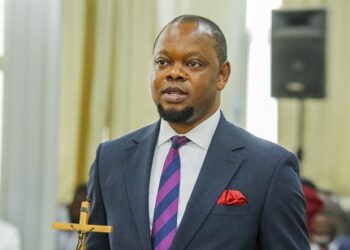
The Minority leader, Honourable Alexander Kwamena Afenyo-Markin, challenged the arrangement during parliamentary proceedings and argued that the invitation undermined the spirit of inclusiveness expected in national governance.
Addressing the Speaker, the Minority, Honourable Afenyo-Markin, questioned why a meeting involving parliamentary welfare matters would exclude a section of lawmakers. He argued that all 276 members of Parliament represent the nation and deserve equal treatment in matters affecting the House.
He stated that the Presidency’s decision has created an unhealthy division in Parliament at a time when unity remained essential for effective governance. In his view, welfare discussions involving legislators should never be limited to one political side.
The Minority leader further criticised the Majority Leader for supporting the arrangement, saying Parliament had been poorly served by leadership that accepted such exclusivity. He argued that no parliamentary bloc should receive preferential access when national resources and welfare matters affect every member.
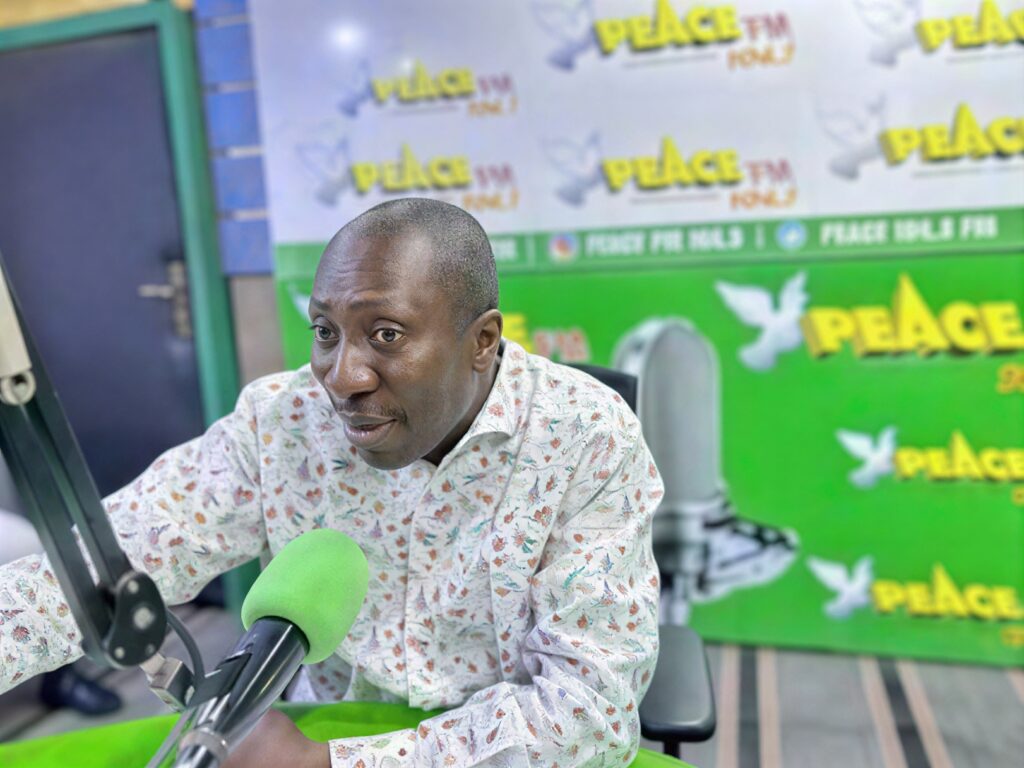
“The Majority Leader has failed Parliament. How can you carry your side to the Presidency? If the President is inviting Parliament, all parliamentarians must be invited.”
Honourable Alexander Kwamena Afenyo-Markin
Moreover, he insisted that the issue extended beyond partisan affiliations and touched on national identity and fairness. The lawmaker stressed that members of the Minority remained Ghanaians and could not be sidelined in state engagements.
The Minority leader also disclosed that his side has been briefed on matters expected to be discussed at the Jubilee House meeting. That information, he said, reinforced the view that the gathering involved substantive welfare issues requiring full parliamentary participation.
In a further rebuke, he said the President has a responsibility to act as a national father figure whose decisions should unite all sides. The emphasis, he argued, should remain on equal representation and respect for democratic institutions.
In addition, he referenced past administrative practices under former President Nana Akufo-Addo, noting that previous welfare engagements had involved the full composition of Parliament. That precedent, he argued, helped preserve institutional cohesion and reduced internal friction.
Nonetheless, the Minority Leader refused to second the motion for adjournment insisting that parliamentary processes should not be aligned to selective participation.
Majority Defends Presidential Engagements Amid Minority Criticism
The Majority Leader, Honourable Mahama Ayariga defended the inclusiveness of presidential engagements with Parliament, rejecting claims that the Presidency has sidelined any section of the legislature in matters relating to welfare discussions.
He stated that past administrations followed structured approaches in dealing with Members of Parliament, adding that welfare arrangements were not traditionally handled through mass invitations to the Presidency. He explained that during the tenure of former President Nana Akufo-Addo, welfare matters were largely determined through established committees set up for that purpose.
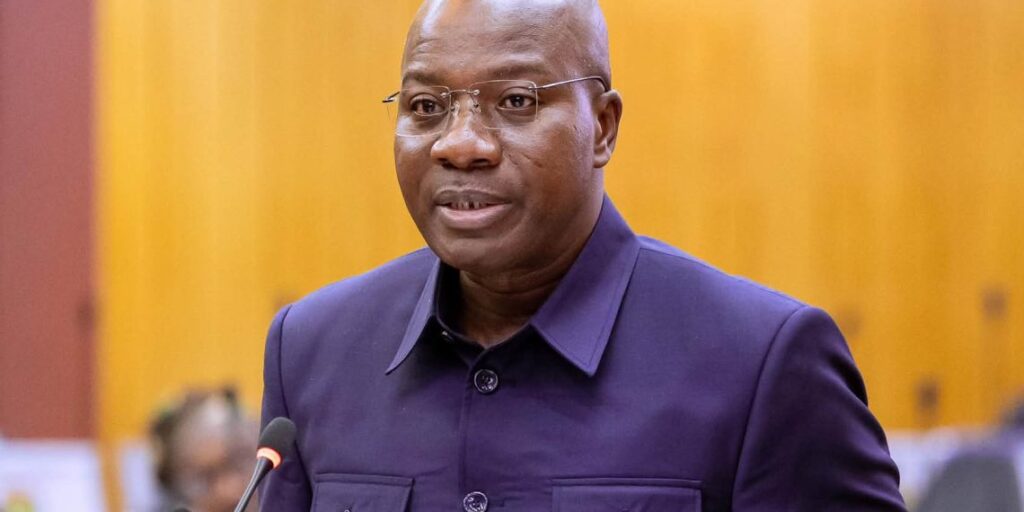
“For the records, I have been in this House throughout the period that Akufo-Addo was President. There was no single occasion when I or any of my colleagues were invited to go and meet him to discuss welfare matters.”
Honourable Mahama Ayariga
He stressed that while general welfare discussions were not conducted through full caucus meetings at the Presidency, leadership-level engagements have consistently taken place between both sides of the House and the Executive.
He noted that such meetings were held at the Flagstaff House where leadership of both the Majority and Minority caucuses were engaged on national issues and parliamentary concerns. In his view, those structured interactions ensured balance without requiring full caucus gatherings.
The Majority Leader further indicated that the current President, John Dramani Mahama, has also continued that practice of engaging parliamentary leadership from both sides in a unified setting. He said these meetings are designed to foster dialogue rather than political division.
He added that such engagements are not intended to influence Parliament but to allow open discussion between the Executive and parliamentary leadership. He emphasised that during one such meeting, extensive proposals and concerns were presented by the Minority for government consideration without any partisan restriction.
The Majority Leader argued that the President remains open to engaging Parliament as a whole, stating that no formal request had been made by the Minority to facilitate a full caucus meeting with the Presidency. He suggested that such a request would be welcomed if properly initiated.
He further insisted that the current arrangement should not be interpreted as exclusionary, noting that leadership consultations have always formed part of executive-legislative relations. According to him, these engagements have historically provided space for both sides to raise issues directly with the President.
READ ALSO: NACOC, Education Ministry Unite Against Rising Substance Abuse Crisis Among Students