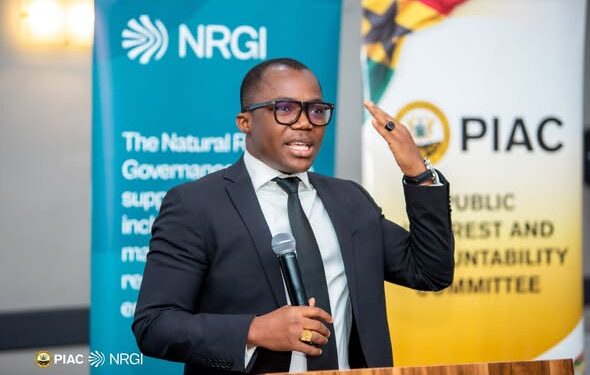
Natural Resource Governance Institute (NRGI) has called on the government of Ghana to establish robust governance systems to oversee the country’s transition minerals strategy, cautioning that attracting investment alone is insufficient to secure equitable, long-term benefits for citizens.
According to the international watchdog, achieving the full potential of these critical resources requires rigorous regulatory oversight to manage corruption risks, monitor complex corporate networks, and protect national revenue flows.
As global demand for transition minerals like lithium and manganese intensifies, the institute stresses that the true success of Ghana’s strategy hinges on its institutional capacity to maintain absolute transparency and strict accountability throughout the life cycle of mining projects.
“The success of Ghana’s transition minerals strategy will depend not only on attracting investment, but on building robust governance systems that ensure transparency, manage risks of corruption, and secure equitable, long‑term benefits for citizens. Vertically integrated firms can also engage in transfer pricing and opaque offtake arrangements, especially when they are effectively selling commodities to affiliated entities within their own corporate networks. This creates a risk that Ghana may see limited gains in value addition.”
Natural Resource Governance Institute (NRGI)

To expand on this imperative, the policy research organization highlights that unmanaged shifts in project dynamics such as the unvetted transfer of mining leases can severely undermine national interests if left unchecked.
A primary concern is that changing project conditions or opaque corporate restructuring might allow underqualified entities to evade scrutiny, weakening the state’s defense against companies with poor operational history.
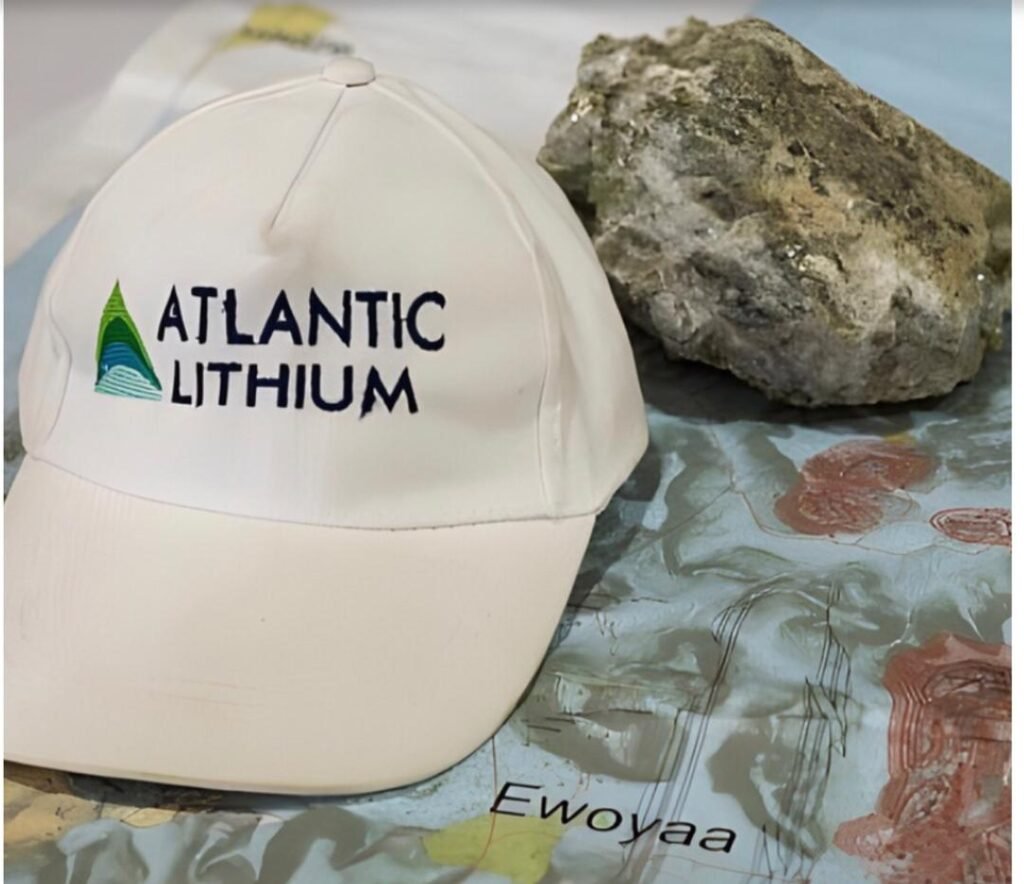
Furthermore, the rise of vertically integrated firms creates structural vulnerabilities, enabling complex internal networks to obscure pricing mechanisms and limit the actual domestic value added.
Without strong regulatory frameworks actively verifying these transactions, the state faces the distinct possibility of losing critical tax revenues while failing to realize its broader industrialization and mineral processing goals.
Guarding Ownership Transfers and Oversight Controls
Implementing rigid scrutiny during the assignment of mineral rights serves as the first line of defense for Ghana’s resource governance.
If the underlying conditions of a mining project shift, “it is important that the government discloses these transparently,” particularly because any legal transfer of a lease strictly requires the explicit approval of the Ministry of Lands and Natural Resources.
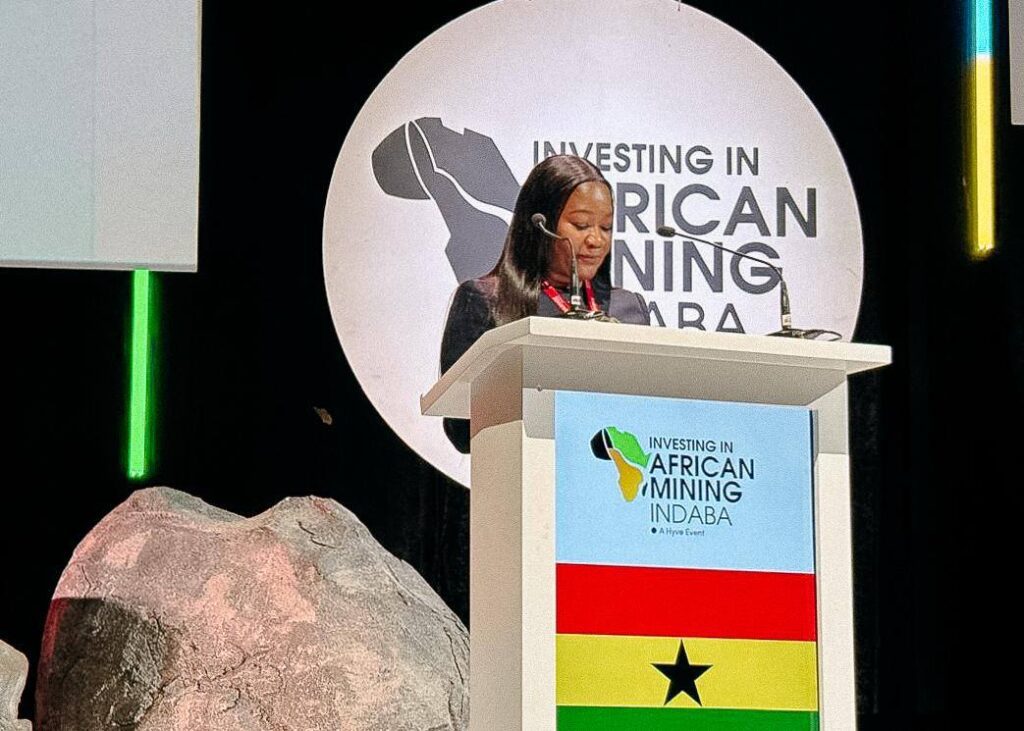
To prevent entities with questionable backgrounds from “sneaking through controls,” regulatory institutions must subject new buyers to the exact same rigorous qualification and due diligence assessments required of original license applicants.
Transparency post-ratification ensures that contracts remain beneficial to the public purse and that state authorities are not blindsided by sudden changes in corporate control.
Combating Corporate Transfer Pricing and Value Leakage
Another critical dimension where robust oversight alters the economic outcome is the mitigation of illicit financial flows and artificial price manipulation.
Vertically integrated multinational corporations frequently utilize “opaque offtake arrangements” to trade transition commodities with affiliated entities buried inside their own corporate networks.

This integration introduces a systemic risk where companies deliberately understate the value of exported raw minerals to minimize local tax liabilities a practice known as transfer pricing.
To counter this, Ghanaian institutions must deploy sophisticated tax auditing and pricing verification mechanisms; otherwise, the nation “could struggle to monitor pricing, revenue flows, and tax liabilities without strong regulatory oversight,” rendering value-addition goals entirely ineffective.
Safeguarding Local Communities and Human Rights Obligations
Beyond the fiscal balance sheet, robust governance mechanisms are foundational to securing social licenses and ecological protections for host mining communities.
Institutional frameworks must hold new project owners legally accountable to the initial “commitments to local infrastructure development” and ensure that promised community benefits are fully honored under revised corporate structures.

Furthermore, strong regulatory systems provide the necessary tools for state institutions to actively investigate and respond to “documented environmental, labor, and human rights concerns” that may be tied to an investor’s operational track record elsewhere globally.
By enforcing strict compliance with local environmental laws and labor standards, Ghana can insulate its citizens from predatory corporate behavior and guarantee that the transition mineral boom fosters sustainable regional development.
READ ALSO: DRC Ebola Outbreak Records Highest First-Month Case Count in Africa