The sharp rise in global oil prices triggered by the Iran conflict is rapidly unwinding, offering a potential reprieve for fuel-importing countries such as Ghana and shifting attention from war-driven supply fears to a more familiar question: when will consumers feel the difference?
Brent crude, the international benchmark for oil prices, briefly fell below $72.48 per barrel this week, returning to levels last seen before the United States and Israel launched strikes against Iran earlier this year.
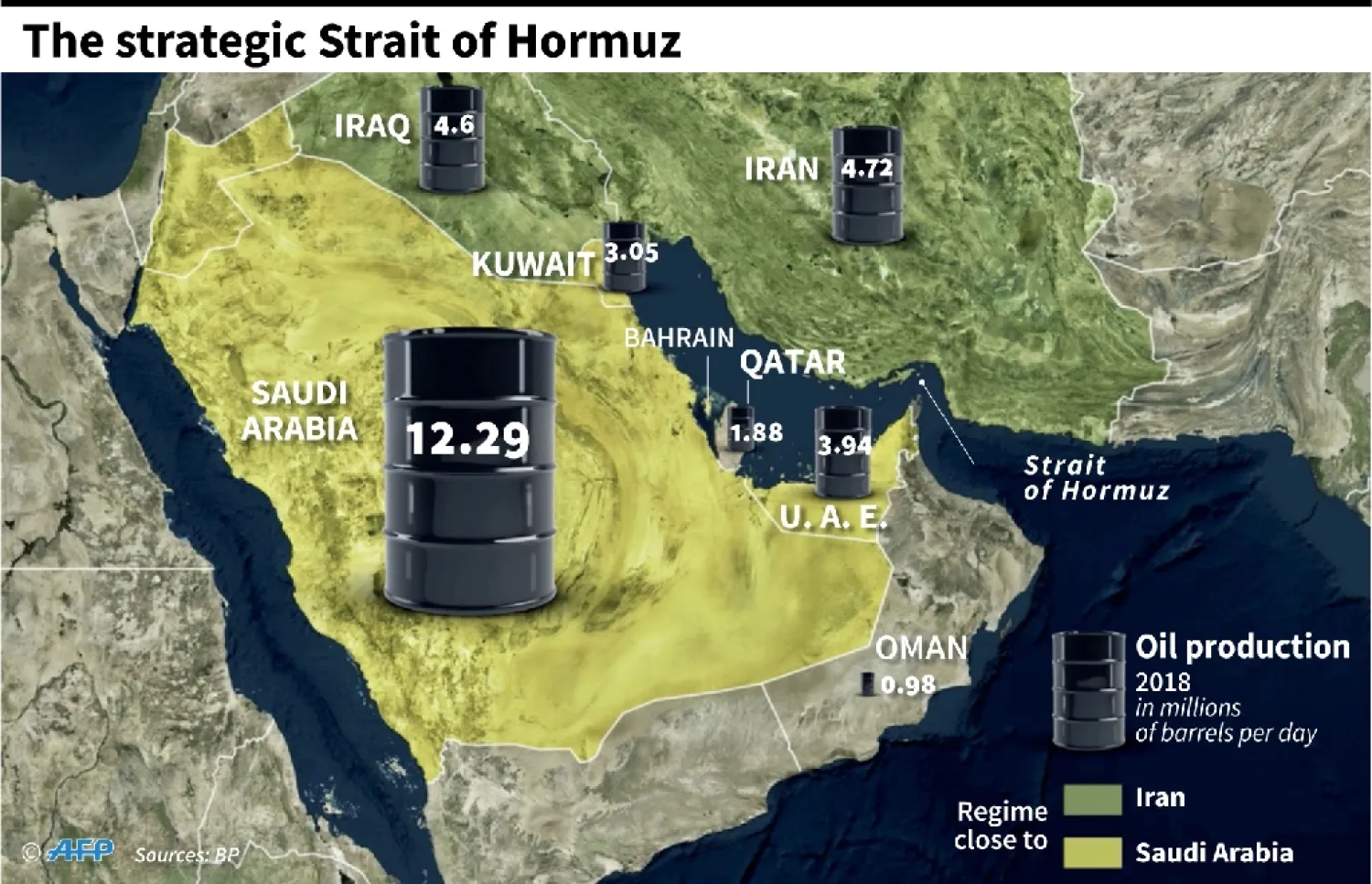
The decline marks a significant turnaround from the turbulence that followed the conflict, when fears of disruptions to the Strait of Hormuz sent energy markets into a frenzy and raised concerns about the security of global oil supplies.
For Ghanaian consumers, the development carries particular significance. While the country is not directly involved in Middle East conflicts, its dependence on imported petroleum products means events in the Gulf can quickly influence fuel prices, transportation costs and inflation at home.
Shipping Activity Returns to Key Energy Corridor
The latest drop in oil prices comes as shipping activity through the Strait of Hormuz begins to recover following diplomatic efforts between Washington and Tehran.
The strategic waterway remains one of the world’s most important energy routes, handling a substantial share of global oil and liquefied natural gas shipments.

According to maritime intelligence and risk-monitoring firms, vessel traffic through the corridor has increased since the United States and Iran signed a Memorandum of Understanding on June 17 that established a 60-day framework for negotiations over Tehran’s nuclear programme and broader efforts to end hostilities.
Representatives from both countries subsequently met in Switzerland for talks that resulted in the partial easing of sanctions on Iranian oil exports.
The developments have reassured markets that a prolonged disruption of energy supplies is becoming less likely.
There has been a tremendous shift with far more ships using the strait in recent days, said Dimitris Maniatis, Chief Executive of maritime risk advisory firm Marisks.
His company estimates that around 80 vessels have crossed the Strait of Hormuz since the first round of negotiations began, including tankers carrying crude oil, liquefied natural gas and other commodities.
While shipping volumes remain below pre-conflict levels of more than 100 vessels per day, the recovery has been sufficient to ease fears of a major supply shock.
War Premium Fades from Global Oil Markets

That change in sentiment has had an immediate effect on oil markets.
During the conflict, traders built a significant risk premium into crude prices, reflecting concerns that escalating hostilities could disrupt one of the world’s most important energy corridors. As those fears recede, much of that premium is now disappearing.
The shift represents more than a market correction. It is a signal that traders increasingly believe diplomacy, rather than conflict, is likely to shape the next phase of relations between the two countries.
Why It Matters for Ghana
For Ghana, the implications extend beyond international headlines.
The country has spent much of the past several years grappling with the economic consequences of global energy shocks, from the aftermath of the COVID-19 pandemic to supply disruptions linked to geopolitical tensions.
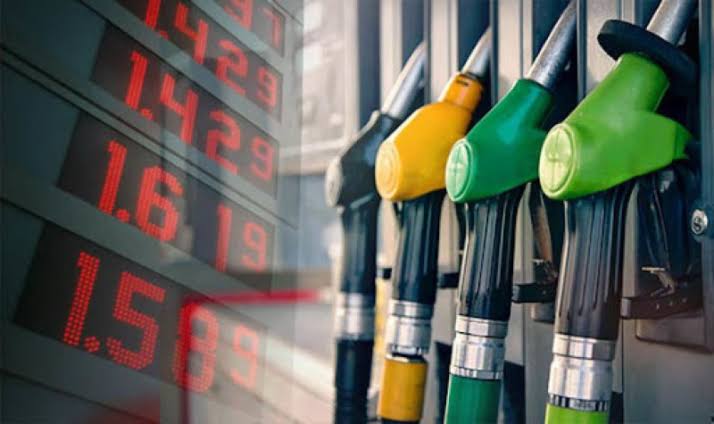
Higher oil prices often feed directly into transportation costs, food prices and business operating expenses, placing additional pressure on households already facing rising living costs.
The recent decline in crude prices could therefore help ease some of those pressures if sustained.
Lower Crude Does Not Mean Instant Fuel Relief
However, energy analysts caution that lower crude prices do not automatically translate into immediate reductions at the pump.
Retail fuel prices are influenced by several factors beyond the cost of crude oil, including exchange-rate movements, taxes, distribution margins and the cost of existing inventories purchased when prices were higher.
The experience of other markets highlights that reality.
In the United States, where oil prices have also fallen, President Donald Trump this week accused major energy companies of failing to pass on the full benefits of lower crude prices to consumers.
Oil prices have come down so much and we are not seeing anything at the pump by comparison the way they should be,Trump told reporters.
Industry groups have pushed back against that criticism.
The American Petroleum Institute noted that fuel prices do not move in lockstep with crude oil prices because refining, transportation and retail costs also play a role.
That distinction is equally relevant in Ghana.
Even if international crude prices remain subdued, local fuel prices will depend on broader market conditions, including the performance of the cedi and developments within the country’s petroleum pricing framework.
From Conflict Fears to Market Stability
Still, the latest market movements suggest one immediate outcome: the worst fears surrounding the Strait of Hormuz have eased considerably.
For a country that closely follows global energy markets because of their impact on everyday living costs, that may be the most important development of all.
The conflict that once threatened to disrupt one of the world’s most critical energy routes is no longer driving oil markets. The focus has shifted instead to how quickly normal trade flows can resume and whether consumers from New York to Accra will ultimately benefit from the return of stability.
READ ALSO: BBNaija Season 11 Set to Ignite Nigerian Screens This July 26