Ghana Health Service has assured parents “WHO” approved mosquito nets are safe, urges public to reject misinformation and continue malaria prevention campaign
The Ghana Health Service (GHS) has dismissed claims circulating on social media suggesting that insecticide treated mosquito nets currently being distributed to primary school children contain dangerous chemicals harmful to human health, describing the allegations as false, misleading and unsupported by scientific evidence.
“The insecticide-treated mosquito nets being distributed are safe, scientifically tested and meet both national and international safety standards. We urge the public to reject misinformation and continue supporting malaria prevention efforts.”
Ghana Health Service (GHS)
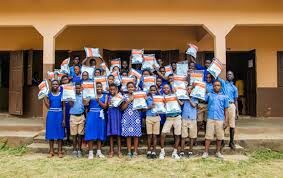
In a press release issued on 26 June 2026, the Service assured parents, caregivers, teachers and the general public that the long-lasting insecticidal nets (LLINs) being distributed under Ghana’s national malaria prevention programme have undergone rigorous scientific evaluation and meet both national and international safety standards.
The clarification follows the circulation of a viral video alleging that the insecticide-treated nets pose health risks to children.
Ghana Health Service said the misinformation had generated unnecessary public concern and reiterated that there is no scientific or regulatory basis for the claims.
“We wish to state categorically that these claims are false, misleading and without any scientific or regulatory basis. The Ghana Health Service urges the public not to be alarmed.”
Ghana Health Service (GHS)
Ghana Health Service emphasized that protecting children against malaria remains a national public health priority, noting that malaria continues to be one of the leading causes of illness and death among children in Ghana.
WHO Approved Nets Meet International Safety Standards
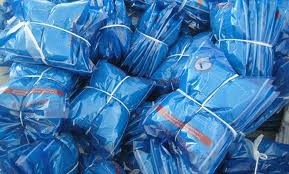
Providing details on the mosquito nets, the Ghana Health Service explained that the product currently being distributed is the Interceptor® G2, a World Health Organization (WHO) approved long-lasting insecticidal net manufactured according to internationally accepted standards.
According to the Service, the nets form part of Ghana’s national malaria elimination strategy and are widely used in malaria-endemic countries across Africa and other parts of the world.
The Interceptor® G2 contains two insecticidal compounds chlorfenapyr and alpha-cypermethrin both of which have been extensively used in global public health programmes for many years.
they noted that the insecticides have been subjected to comprehensive scientific evaluation and are well recognised by international regulatory agencies for their effectiveness in preventing malaria transmission.
GHS stressed that the product is among several WHO-prequalified insecticide-treated nets currently deployed to support malaria control efforts in Ghana and across the African continent.
“Interceptor® G2 is a safety-approved net that is widely used alongside other WHO-prequalified insecticide-treated nets distributed across Ghana and the African continent as part of national and continental malaria prevention efforts.”
Ghana Health Service (GHS)
Scientific Testing Confirms Safety
Addressing concerns over possible health effects, the Ghana Health Service said every insecticide-treated net approved for use in Ghana undergoes extensive safety testing before it is recommended by the World Health Organization or authorised by Ghana’s regulatory authorities.
They further explained that the evaluation process considers the safety of all population groups, including children, pregnant women and infants.
According to GHS, the Interceptor® G2 has received full WHO prequalification and has also been approved by Ghana’s Food and Drugs Authority (FDA) for public health use.

GHS further clarified that the insecticidal compounds contained in the nets have extremely low vapour pressure, meaning they do not evaporate into the air as smoke, dust or aerosol particles.
As a result, individuals sleeping under the nets breathe normal air and are not exposed to airborne insecticides.
“On the specific claim of respiratory risk, the compounds in this net have an extremely low vapour pressure, meaning they do not lift into the air as dust, smoke or aerosol and are very stable. This implies that a person sleeping under this net breathes normal air and not insecticide.”
Ghana Health Service (GHS)
Ghana Health Service added that insecticide-treated nets have been used throughout Ghana and sub-Saharan Africa for several decades without any documented evidence linking their proper use to respiratory illness.
Parents Urged to Continue Using the Nets
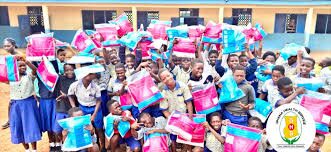
Its appealed to parents and caregivers not to discard, return or refuse the mosquito nets because of misinformation circulating online.
Instead, it encouraged families to continue using the nets consistently to protect children from malaria infections.
“Use the nets. Do not discard, return, or refuse them. These nets protect your children from malaria, which remains a leading cause of childhood illness and death in Ghana.”
Ghana Health Service (GHS)
To enhance user comfort, the Ghana Health Service recommended airing newly received mosquito nets in a shaded, well-ventilated area for up to 48 hours before first use.
GHS explained that this allows any mild odour associated with newly manufactured nets to dissipate without affecting the product’s effectiveness.
they also urged members of the public to refrain from sharing unverified health information on social media, warning that misinformation has the potential to undermine public confidence in important disease prevention programmes.
According to the statement, the spread of false health claims can create unnecessary fear, reduce the uptake of proven interventions and ultimately place vulnerable populations, particularly children, at greater risk of malaria.
Public Encouraged to Seek Professional Advice
While reassuring the public of the product’s safety, the Ghana Health Service advised anyone with questions, concerns or unusual reactions following the use of the nets to seek medical attention from the nearest health facility.
Health professionals, it said, remain available to provide accurate information and appropriate support where necessary.
The Service reaffirmed its commitment to maintaining transparency in public health communication and ensuring that all health products distributed through national programmes meet the highest standards of safety and quality.
“We reaffirm our unwavering commitment to the safety and wellbeing of every Ghanaian. Every net we distribute has been tested, approved and verified as safe before it reaches your home.”
Ghana Health Service (GHS)
The service further assured the public that government will continue providing timely and evidence-based information to safeguard public confidence in national health interventions.
Malaria Prevention Remains a National Priority
The clarification comes as Ghana continues to intensify efforts to reduce the burden of malaria through nationwide distribution of insecticide-treated mosquito nets, early diagnosis, prompt treatment and community education.
Public health experts have consistently identified long-lasting insecticidal nets as one of the most effective interventions for preventing malaria transmission, particularly among children under five years and other vulnerable groups.
Ghana Health Service therefore urged the public to rely on verified information from recognised health institutions and continue supporting national malaria prevention efforts by using the insecticide-treated nets as recommended.
READ ALSO: Ghana’s Economy Ranks Eighth In Position — President Mahama