
As African countries compete to attract investment into increasingly complex energy markets, Ghana is positioning itself as one of the continent’s emerging examples of how traditional energy resources and the clean energy transition can be pursued simultaneously rather than in competition.
That strategy is expected to take centre stage at the Power Africa Today Conference, one of the flagship platforms of African Energy Week (AEW) in October 2026, where Ghana will join Seychelles and São Tomé and Príncipe in presenting investment-ready energy projects to governments, financiers and private investors.
Unlike previous years, the conversation is no longer expected to focus solely on policy ambitions.
Instead, participating countries are expected to showcase concrete projects that are already under implementation or ready to receive financing, reflecting a broader shift across Africa from energy planning to project execution.
For Ghana, that means presenting an investment story that stretches across the entire energy value chain, from upstream petroleum production and domestic refining to electricity infrastructure and renewable energy.
Across Africa, governments are moving decisively from policy design to implementation, turning ambition into execution on the ground. Investors are responding in kind, backing clearly structured, bankable energy projects that are ready to deliver impact at scale.
NJ Ayuk, Executive Chairman, African Energy Chamber
Moving Beyond Individual Projects
Rather than promoting isolated investments, Ghana’s presentation is expected to demonstrate how multiple reforms are beginning to reinforce one another.
Recent months have seen renewed activity across the petroleum and power sectors.
Government has advanced efforts to restore operations at Tema Oil Refinery, supported increased domestic refining capacity through the Sentuo Oil Refinery, pursued fresh upstream investment agreements, continued reforms within the electricity sector and reaffirmed natural gas as an important transition fuel while expanding renewable energy.
Viewed individually, these developments represent separate projects.
Viewed together, they form what policymakers increasingly describe as a coordinated energy strategy aimed at strengthening energy security while supporting industrialisation and economic growth.
Energy Security Becoming an Investment Story
For many years, discussions about Ghana’s energy sector centred largely on electricity shortages or fuel price volatility.
Increasingly, however, the emphasis is shifting towards how stronger domestic infrastructure can improve economic resilience.
Expanding refining capacity, for example, could reduce dependence on imported petroleum products during periods of international market disruption.

Meanwhile, efforts to improve electricity transmission and reduce system losses are expected to enhance power reliability for businesses and households.
Upstream investment is equally important.
Sustaining crude oil and natural gas production not only supports export earnings but also provides fuel for thermal power generation, which continues to play a critical role in Ghana’s electricity mix.
Taken together, these investments are designed to improve the country’s ability to meet growing energy demand while attracting additional private capital into the sector.
Transition ‘On Ghana’s Own Terms’
The upcoming conference also reinforces a message Ghana has consistently delivered at recent international energy forums.
Both President John Dramani Mahama’s administration and the Ministry of Energy and Green Transition have repeatedly argued that Africa’s energy transition should reflect the continent’s own development priorities rather than externally imposed timelines.
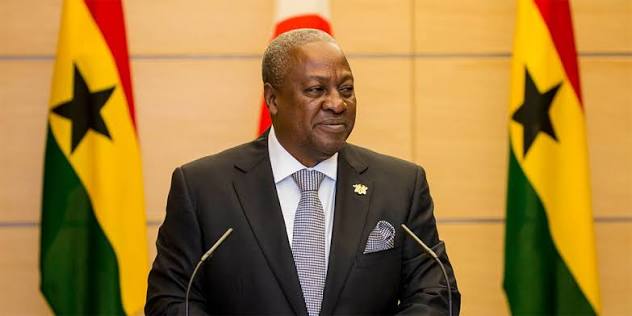
Earlier this year, Energy Minister Dr. John Abdulai Jinapor stated that Africa would pursue its energy transition on its own terms, balancing climate commitments with industrial development, energy access and economic growth.
That philosophy is expected to underpin Ghana’s presentation at Power Africa Today.
Instead of framing oil, gas and renewable energy as competing choices, government continues to advocate a balanced approach in which hydrocarbons finance development while cleaner energy gradually assumes a larger share of the country’s electricity mix.
Competition for Capital Intensifies
Ghana will not be alone in making its case.
Seychelles is expected to showcase its renewable energy expansion programme and grid modernisation agenda, while São Tomé and Príncipe will present projects aimed at reducing dependence on imported diesel through renewable energy and public-private partnerships.
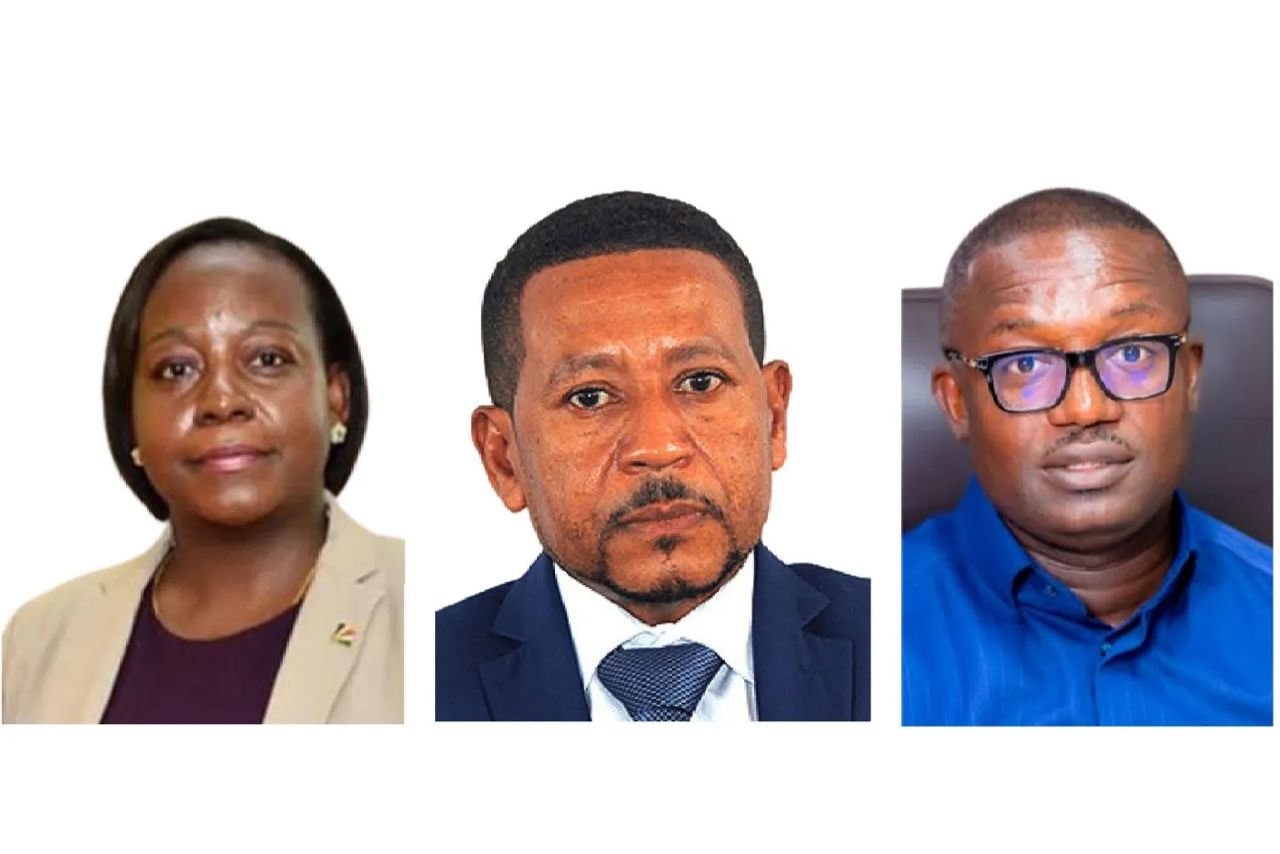
The comparison illustrates how African countries are increasingly competing for the same pool of international capital.
Success will depend not only on resource potential but also on policy certainty, regulatory credibility and the ability to present projects that investors consider commercially viable.
For Ghana, that places growing importance on maintaining momentum behind ongoing reforms across the petroleum and electricity sectors.
Why It Matters to Ghanaians
Although discussions at African Energy Week are primarily aimed at investors, their outcomes could have tangible implications for ordinary Ghanaians.
Additional investment in refining, electricity infrastructure, renewable energy and upstream petroleum development could strengthen energy security, improve power reliability, create skilled employment and support industrial expansion.
At a time when the country is working to stabilise its energy sector while attracting private investment, presenting a coordinated pipeline of projects may prove just as important as announcing individual initiatives.
Increasingly, Ghana’s competitive advantage may lie not in any single project, but in demonstrating that its oil, gas, electricity and clean energy ambitions are being developed as parts of one long-term strategy rather than separate policy agendas.
READ ALSO: Supreme Court Ruling For Tokornoo Predetermined, Ekow Assafuah Alleges