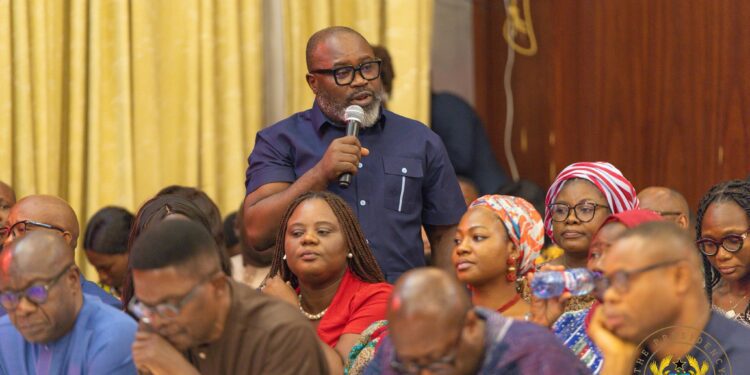
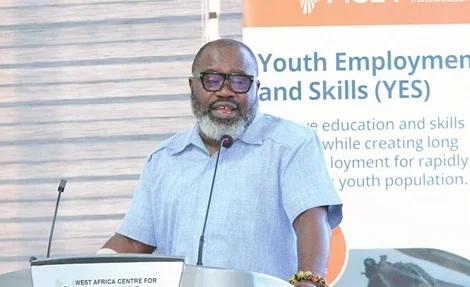
Kofi Asare, Executive Director for Africa Education Watch, says he is seeing clearer purposive intentionality in the Mahama government’s approach to inclusive education.
Writing on recent policy developments, Mr Asare pointed to a series of measures introduced within the past one and a half years that together signal a deliberate reorientation toward a more inclusive education financing and support architecture for learners with disabilities.
Mr Asare’s assessment rests on three specific interventions he describes as marking a meaningful departure from past practice, each addressing a different barrier that learners with disabilities have historically faced in accessing education.
GETFund Act Amendment Ring-Fences Disability Funding
The first measure Asare highlighted is the amendment of the GETFund Act to ring-fence annual funding specifically for the education of Persons with Disabilities. Under the amended framework, government has committed GH¢100 million for 2026 alone, a figure Mr Asare described as unprecedented.

Ring-fencing this funding means the allocation cannot be redirected to other purposes within the broader education budget, giving disability education a level of financial protection it previously lacked.
Mr Asare’s characterization of the move as unprecedented suggests it represents a first of its kind commitment within Ghana’s education financing history, one that could provide more predictable and sustained funding for programs and institutions serving learners with disabilities.
Free Tertiary Education Removes Financial Barriers
The second measure Asare pointed to is the introduction of free tertiary education for Persons with Disabilities, a program that covers full tuition and residential support.
He said the initiative aims to remove financial barriers and promote equitable access to higher education for a population that has often been excluded from tertiary study due to cost.
According to Mr Asare, approximately 1,540 learners have benefitted from this program so far. He again described this policy as unprecedented, underscoring that it marks new territory in how government approaches the intersection of disability and higher education access.
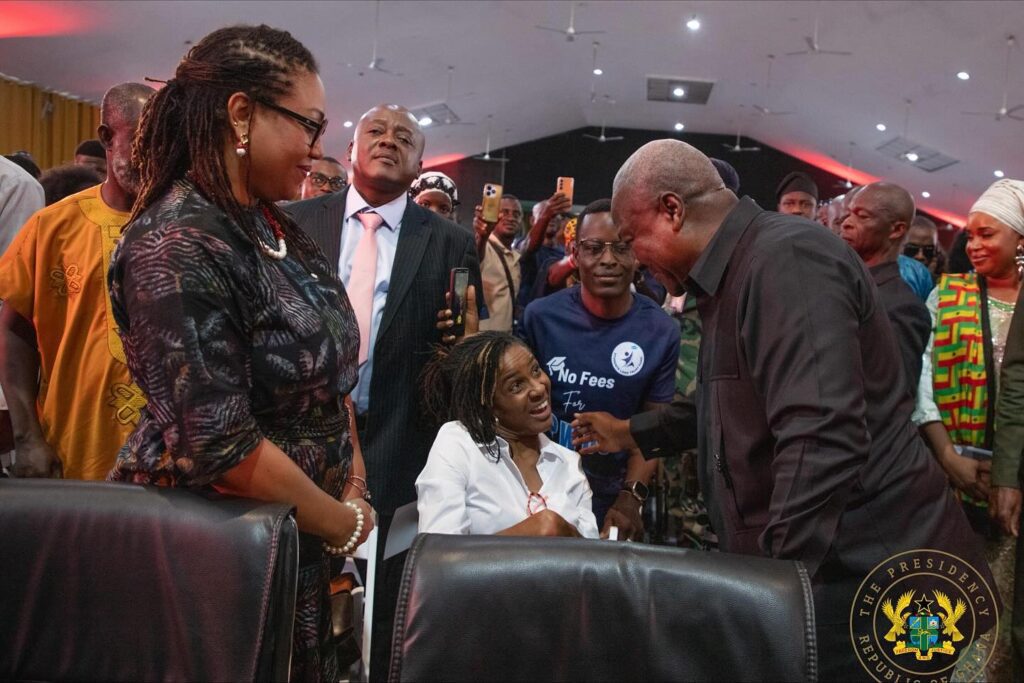
By covering both tuition and residential costs, the program addresses two of the most significant financial obstacles that have historically kept students with disabilities out of tertiary institutions.
Feeding Grant Increase Targets Learner Welfare
The third measure Mr Asare cited involves an increase in the daily feeding grant for special schools, which has risen from GH¢8 to GH¢15 per learner. He calculated this as an 87.5 percent increase, a substantial jump aimed at improving nutrition and learner welfare within special education institutions.
Asare framed this increase as part of the same broader pattern of policy attention toward learners with disabilities, suggesting that improved daily nutrition support complements the financial access measures introduced at the tertiary level.
Better feeding grants can directly affect learner health, concentration, and school attendance, making this a practical companion measure to the larger structural funding reforms.
Measures Reflect a Deliberate Pattern, Asare Says
Taken together, Mr Asare argues that these three measures do not represent isolated policy announcements but rather reflect a deliberate reorientation toward inclusive education financing and support.
He emphasized that the timeframe involved, just one and a half years, makes the cumulative impact of these reforms especially notable.
Mr Asare’s analysis suggests that when ring-fenced funding, free tertiary access, and improved welfare support are introduced together within a relatively short period, they point to an intentional government strategy rather than a series of disconnected interventions responding to isolated pressures.
Caution on Consistency and Implementation
Despite his positive assessment, Asare tempered his praise with a clear caveat. He said that while these steps are welcome, sustained results will depend on consistency, efficiency, and timely disbursement of funds.
This caution reflects a common concern in policy analysis, that the announcement and design of a program matters less than its faithful and sustained implementation over time.
Mr Asare’s emphasis on timely disbursement in particular signals an awareness that ring-fenced funding and generous program design can still fail learners if bureaucratic delays or inconsistent releases undermine the intended benefits on the ground.

Mr Asare closed his commentary with a Larteh proverb that captures the spirit behind these reforms.
“When the community adjusts its road, no traveler is left behind,” he wrote, using the saying to underscore the broader principle that inclusive infrastructure, whether physical roads or education systems, benefits everyone precisely because it is designed with the most vulnerable in mind.
The proverb serves as both an endorsement of the government’s direction and a reminder of what remains at stake should implementation falter in the months ahead.
READ ALSO: Govt Secures $700m Gold Recovery Deal Under 24-Hour Economy Policy