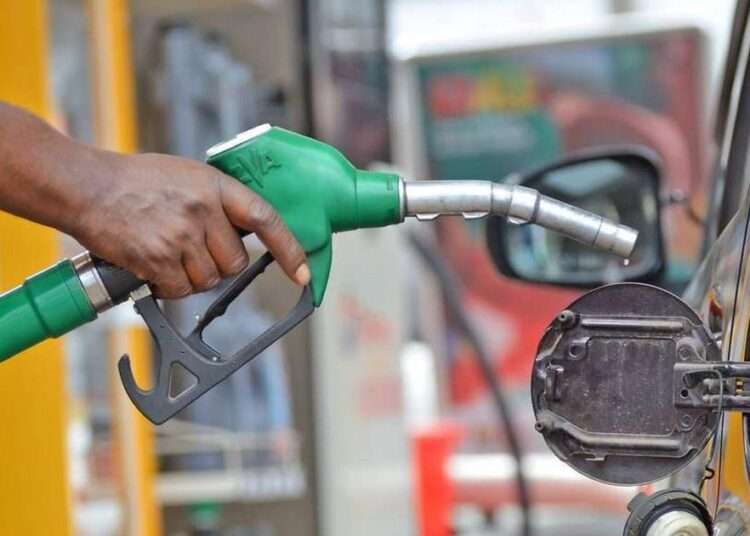
Ghana’s downstream petroleum regulator has been urged to strengthen controls over petroleum product authentication after the Auditor-General found that approximately 87 million litres of petrol were distributed without undergoing the required regulatory marking process.
The finding is contained in the Ghana Audit Service’s Performance Audit Report on the effectiveness of the National Petroleum Authority’s (NPA) regulatory activities, which assessed the Authority’s oversight of petroleum transportation, product marking and retail outlet monitoring between January 2023 and April 2026.
The audit identified gaps in the petroleum product marking system, volume reconciliation processes and reporting controls, raising concerns about the Authority’s ability to fully account for petroleum products moving through the downstream supply chain.
The NPA is responsible for regulating Ghana’s downstream petroleum sector, including licensing industry players, monitoring petroleum products and enforcing quality standards among oil marketing companies, bulk distribution companies, depots and retail outlets.
Product marking system under scrutiny
Petroleum product marking is one of the regulatory mechanisms used by the NPA to support fuel quality assurance and improve monitoring within the downstream sector.
The system involves applying chemical markers to petroleum products to help identify legitimate products and support efforts against fuel adulteration and other illegal activities.
The audit noted that between 2023 and 2025, approximately 15.42 billion litres of petroleum products were marked, while 15.05 billion litres were recorded as distributed. This created a variance of about 2.35 percent between marked volumes and distributed volumes.
According to the Auditor-General, some of these differences were linked to variations in reporting methods, including differences between loading records and dispatch records. “About 87 million litres of petrol were unmarked and distributed, creating potential risks to revenue assurance and petroleum product monitoring”, the report said.
The report indicated that the distribution of petroleum products outside the marking system weakened regulatory controls and could affect the Authority’s ability to verify product movement across the downstream supply chain.
Implications for fuel quality and revenue protection
The Auditor-General stressed that effective product marking and accurate reconciliation of petroleum volumes are important elements of maintaining confidence in Ghana’s petroleum market.
Product marking allows regulators to monitor petroleum products throughout the supply chain and provides an additional layer of assurance against activities such as adulteration and illegal distribution.
However, the audit did not conclude that the unmarked fuel was adulterated. Rather, it highlighted that gaps within the marking system could reduce the effectiveness of regulatory monitoring and create challenges in identifying irregularities.
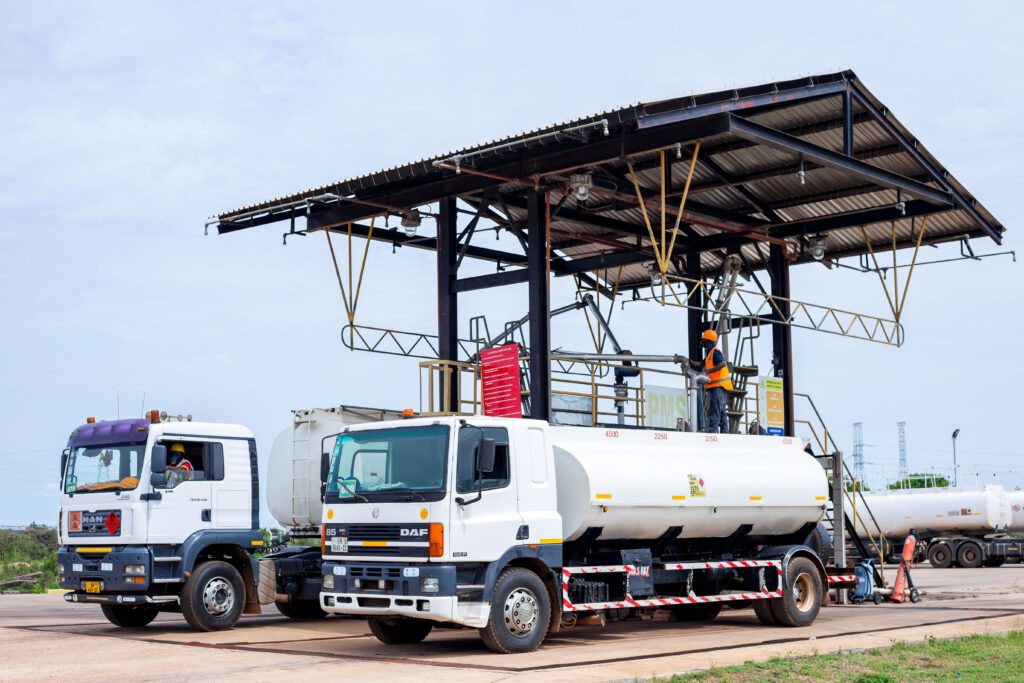
The findings are significant because Ghana’s downstream petroleum sector handles large volumes of fuel distributed nationwide through depots, transport operators and retail outlets.
The report noted that weaknesses in product marking controls could potentially contribute to revenue risks, particularly where petroleum products are not properly accounted for between the point of marking and final distribution.
The audit referenced previous concerns about illicit activities in the petroleum sector, including estimated revenue losses of GH¢4.7 billion between 2015 and 2019 due to illegal activities.
Reporting inconsistencies identified
Beyond the unmarked fuel volumes, the Auditor-General also identified inconsistencies between petroleum products recorded as marked and those reported as distributed.
The report attributed some of the discrepancies to differences in datasets and reporting processes. For instance, marking volumes were based on loading records, while distribution figures were based on dispatch records, creating differences in how petroleum volumes were captured.
The audit also noted that the suspension of marking for Differentiated Premium Motor Spirit (RON 95) from July 2025 contributed to some reporting inconsistencies.
Additionally, auditors identified a reporting error in January 2025 that understated gasoline volumes by approximately 20.5 million litres.
The Auditor-General recommended that the NPA strengthen coordination between departments responsible for petroleum product monitoring and improve reporting controls to ensure that future reports accurately reflect policy decisions, adjustments and operational changes.
Recovery of funds and strengthening controls
The audit further found that approximately US$2,688.09 was paid for petroleum marking services relating to marked petrol that could not be fully accounted for as distributed.
The Auditor-General recommended that the amount be recovered and paid into the appropriate Recovery Account.
Other recommendations included ensuring consistency between marked petroleum volumes and distributed quantities, improving data management systems and strengthening operational controls to reduce future discrepancies.
NPA response and ongoing reforms
The NPA has acknowledged the audit findings and indicated that it is implementing measures to address the identified weaknesses.
The Authority stated that it is working to improve reporting systems, enhance coordination between the Petroleum Product Marking System (PPMS) and other operational units, and strengthen processes for monitoring petroleum products.

The NPA has also indicated that future reports will provide clearer explanations of policy decisions, data adjustments and operational changes to improve transparency and reduce possible misinterpretation of petroleum sector data.
The Auditor-General noted that while some variations identified during the audit were linked to reporting methodologies and policy changes, stronger controls remain necessary to ensure accountability and maintain public confidence in Ghana’s petroleum quality assurance framework.
As Ghana continues to depend on petroleum products to support economic activity, the findings highlight the importance of effective monitoring systems that ensure fuel quality, protect consumers and safeguard government revenue.
READ ALSO: PwC Predicts Major Shake-Up for Ghana Banks