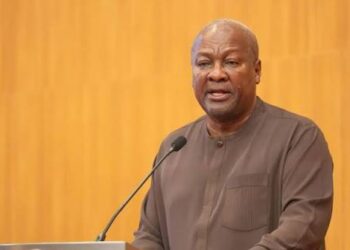
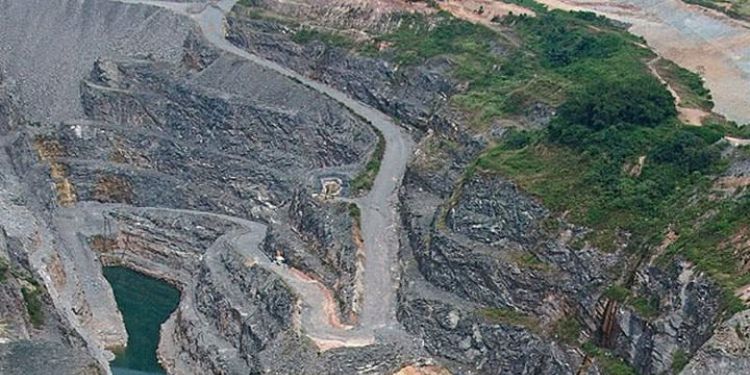
Dr. Kenneth Bansah, a prominent mining expert, has revealed that Ghana’s government is increasingly unlikely to renew the 30-year Tarkwa mining lease for Gold Fields as the state aggressively tightens its grip on its multi-billion dollar mineral wealth.
The imminent decision signals a tectonic shift toward full national control, reflecting an unyielding determination by state actors to prioritize indigenous participation over decades of multinational dominance.
“My own assessment is that it seems increasingly unlikely that the Tarkwa lease will be renewed. At best, I think the government may allow a structured transition period, similar to what happened at Damang. Except that this one could be for about two years to ensure a smooth transition of operations.”
Dr. Kenneth Bansah
The state’s hardening stance follows the controversial rollout of the 2020 Local Content Regulations, a legislative framework engineered by the Minerals Commission and the Ministry of Lands and Natural Resources to mandate Ghanaian ownership, maximize local job creation, and permanently block foreign revenue flight.

Tensions reached a boiling point after public authorities issued sweeping directives forcing several foreign mining firms to transition major operational departments to indigenous contractors, which sparked intense resistance from corporate executives before being temporarily suspended to prevent administrative chaos.
This high-stakes legislative gridlock has now culminated in a strategic standoff over expiring land leases, with the state using its regulatory leverage to force a permanent transition toward absolute domestic control.
Regulatory Shifts Disrupt Corporate Geopolitics
The Minerals Commission’s aggressive local enforcement strategy has fundamentally destabilized the geopolitical relationships long enjoyed by foreign conglomerates operating within the West African gold belt.
In response to the growing threat of asset nationalization, major mining corporations have launched highly synchronized, multi-million dollar public relations offensives, flooding domestic media channels with televised community outreach initiatives, sanitary pad distributions, and philanthropic donations in a desperate bid to preserve their social licenses.
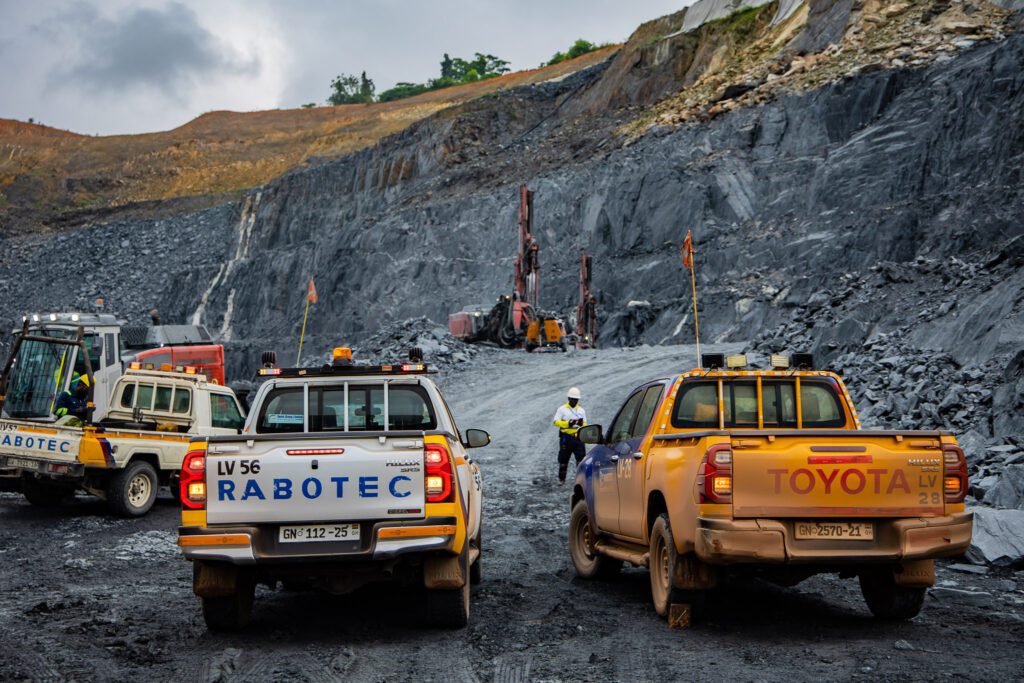
The geopolitical friction escalated so rapidly that diplomatic circles speculated the President of South Africa was arranging an emergency state visit to Ghana to directly confront government authorities over the existential threat facing Johannesburg-based Gold Fields’ assets.
While public sector advocates demand an outright denial of the lease to retain extraction revenues within the national treasury, the Ghana Chamber of Mines has mounted fierce opposition, warning that such nationalistic policy pivots risk alienating international capital markets.
Economic Impacts of Non-Renewal
Denying the Tarkwa lease renewal threatens to trigger severe macroeconomic shocks, potentially choking off immediate foreign direct investment (FDI) inflows as international financiers reassess the risk profile of Ghana’s sovereign regulatory environment.
Industry analyst cautioned that abruptly terminating the operations of a primary producer could induce immediate output shocks, disrupting national gold export volumes and straining central bank foreign exchange reserves at a time when fiscal stability is paramount.
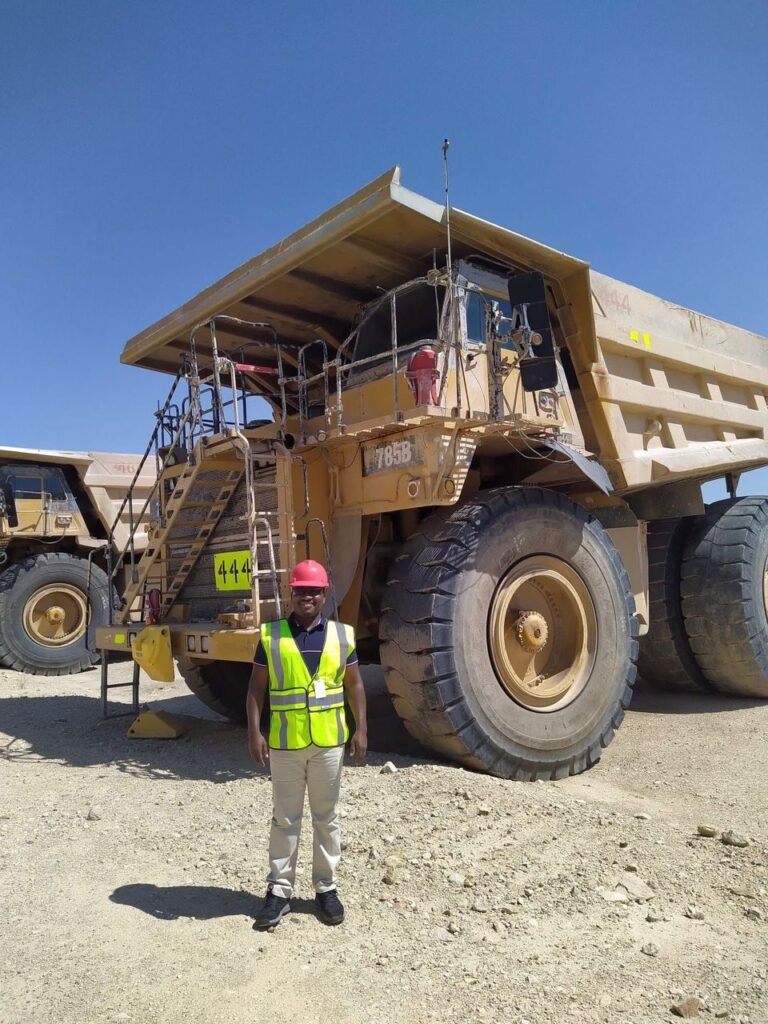
Furthermore, a chaotic exit without an operationally sound local successor could lead to structural unemployment across the Western Region, as specialized technical staff faces immediate layoffs while local supply chains integrated into Gold Fields’ procurement systems collapse under prolonged transition timelines.
Structured Succession Strategies
To mitigate catastrophic market disruptions, public authorities are designing structured succession templates modeled directly on the recent competitive bidding process at the Damang Mine, where local engineering giant Engineers and Planners successfully assumed full control of operations.
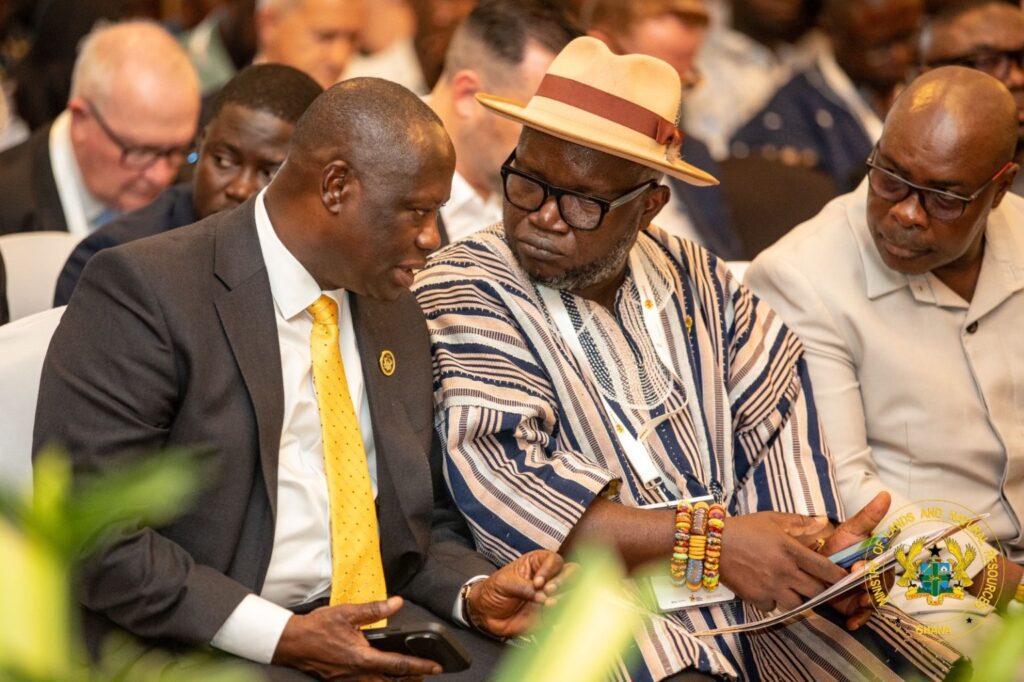
This transitional strategy utilizes a strict multi-year grace period to systematically transfer deep-level infrastructure management, technical surveying data, and active processing facilities from foreign executives to Ghanaian engineering teams without halting active production.
By enforcing a phased asset handover, the state aims to prove that domestic enterprises can independently operate tier-one gold assets, thereby validating the economic model put forward by state agencies like GoldBod, which demonstrates that indigenous resource management yields substantially higher revenue retention for national development.