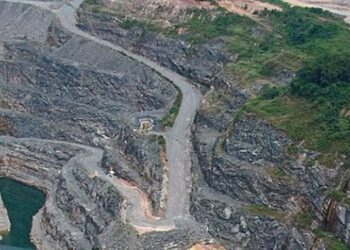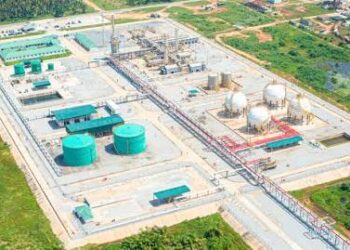
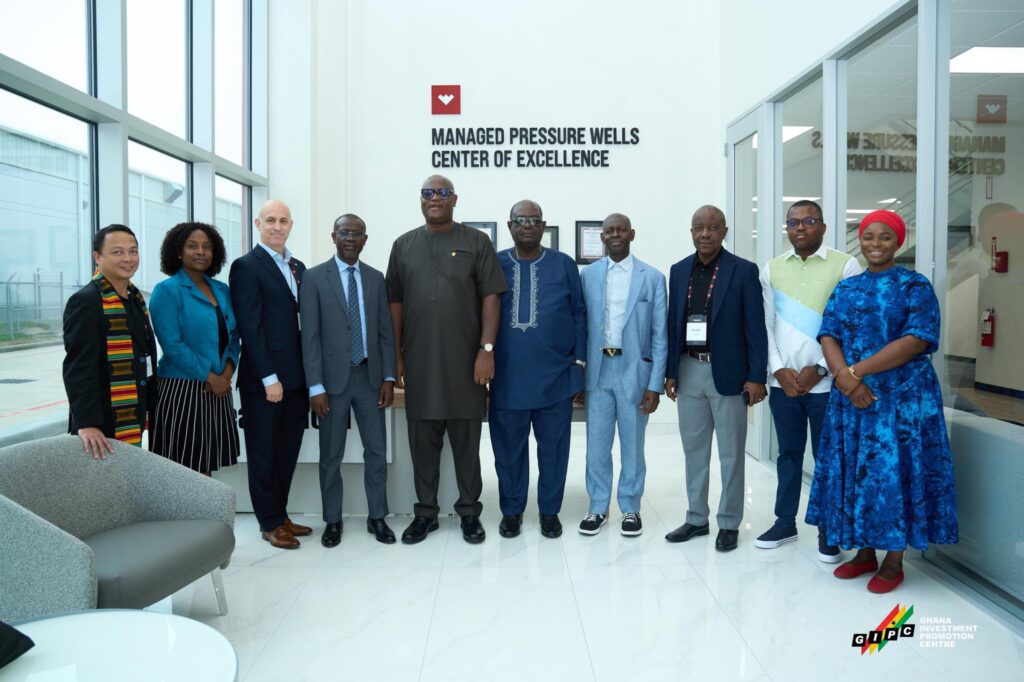
Mr A. Razak Baba, the Deputy Chief Executive Officer of the Ghana Investment Promotion Centre (GIPC), has encouraged Saudi Arabian investors to explore vast investment opportunities across Ghana’s primary economic sectors, specifically highlighting the mining industry, agriculture, and manufacturing.
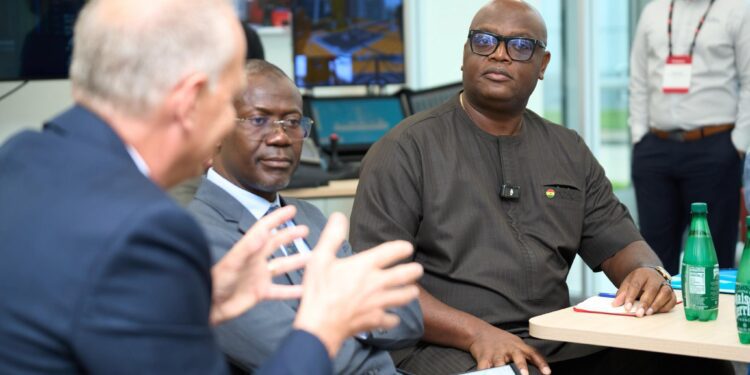
He put forth this call during a high-level bilateral engagement in Accra with an influential Saudi business delegation.
The strategic dialogue aimed to position Ghana as the premier destination for Middle Eastern capital, matching Saudi Arabia’s outbound investment strategies with Ghana’s resource-driven developmental agenda.
“He made the call during an engagement with a Saudi business delegation led by Madam Nyakan June Munyeki, where he highlighted Ghana’s political stability, strategic location, investor-friendly policies, and access to regional and continental markets as key advantages for investors. Madam Munyeki welcomed the engagement and expressed the delegation’s interest in exploring investment opportunities in Ghana’s mining, agriculture, and value-addition sectors.”
Ghana Investment Promotion Centre (GIPC),
Mr Baba noted that the state’s investor-friendly climate is explicitly backed by solid political stability, a highly advantageous strategic geographical location within the West African sub-region, and preferential access to massive regional and continental markets.
To ensure a seamless entry for the delegation, he outlined a comprehensive suite of targeted fiscal incentives and regulatory frameworks available to qualifying international investors who choose to set up operations.
In response, the leader of the Saudi business delegation, Madam Nyakan June Munyeki, welcomed the executive engagement, expressing their strong interest in exploring the country’s mining and agro-processing ecosystems.
Madam Munyeki emphasized that the delegation remains deeply committed to building robust, sustainable partnerships that will ultimately deepen bilateral economic cooperation and strengthen mutual trade relations.
Driving Bilateral Synergy Through Extractive Sector Industrialization
The compelling case for Saudi Arabian entities to invest heavily in Ghana’s mining ecosystem lies primarily in the shifting paradigm toward local “value-addition sectors.”
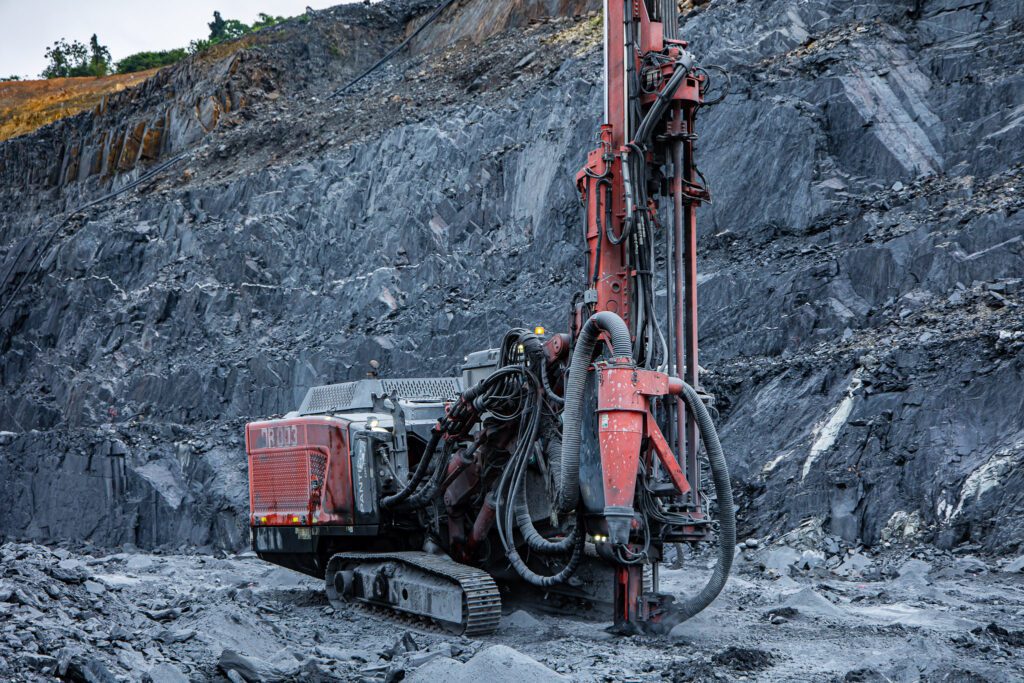
Historically known as a leading global exporter of unrefined gold and bauxite, Ghana is actively pivoting toward the domestic processing of its raw mineral wealth. For Saudi investors, this transition presents a highly lucrative entry point into mineral processing and mining support services, moving away from purely speculative primary extraction into stable, high-yield industrial manufacturing.
By establishing domestic refineries and processing plants, Saudi firms can capture massive margins while directly aligning with Ghana’s strict regulatory push for local value retention.
This cooperation bridges the financial liquidity of the Gulf region with the abundant, untapped geological deposits of West Africa.
Furthermore, investing in modern mining support services such as chemical manufacturing, heavy machinery supply chains, and specialized engineering allows foreign capital to anchor itself securely within a highly structured corporate network that services the entire continent’s extractive industry.
Exploiting Continental Market Access and Structural Safeguards
Investing in Ghana offers Saudi Arabian businesses an unmatched logistical and legal gateway to the rest of Africa. As the official host nation of the African Continental Free Trade Area (AfCFTA) Secretariat, Ghana gives registered corporate entities tariff-free access to a consolidated market of over 1.3 billion consumers.
This regional advantage transforms local manufacturing and agro-processing hubs into continental distribution nodes, drastically lowering export overheads for Middle Eastern firms looking to diversify away from domestic oil dependence.

Furthermore, the state provides an extraordinarily stable legal framework that protects foreign direct investment from arbitrary expropriation.
Under the regulatory oversight of the GIPC, international investors enjoy full capital repatriation rights, structured tax holidays, and streamlined customs exemptions for capital equipment.
This robust institutional architecture minimizes sovereign risk, offering a safe, predictable macroeconomic environment for large-scale, long-term capital deployment.
Cultivating Shared Value and Sustainable Macroeconomic Growth
The economic alliance between Accra and Riyadh extends far beyond conventional trade; it is explicitly structured to “create shared value for businesses in both Ghana and Saudi Arabia.”
For the Ghanaian economy, an influx of targeted Saudi investments provides critical capital injection, accelerates technology transfer, and generates highly skilled employment opportunities for the local populace.
This effectively reduces the country’s fiscal reliance on volatile external debt by fostering a self-sustaining industrial base.
Conversely, Saudi Arabia reaps immense strategic rewards by securing its global supply chains.
Integrating into Ghana’s agriculture and agro-processing sectors provides the Gulf nation with a reliable, long-term food security alternative, mitigating the geographical challenges of its arid domestic climate.
Concurrently, gaining a firm foothold in Ghana’s expanding mineral value chain assists Riyadh in acquiring the critical refined metals and raw materials necessary to fuel its own ambitious industrial transformation goals under its sweeping national modernization blueprints.
READ ALSO: Argentina Mount Spirited Late Fightback to Eliminate Egypt