Ghana’s economic recovery journey is set to enter a new chapter as the government prepares to transition from strict fiscal consolidation measures towards a growth and job creation agenda.
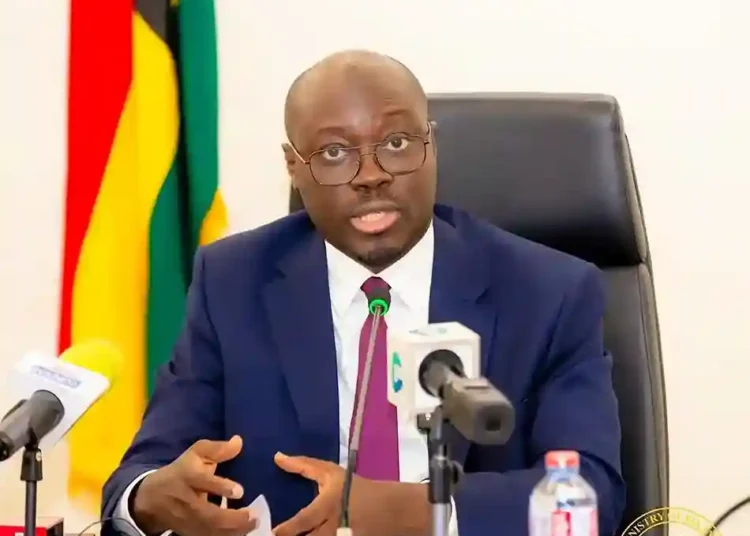
Finance Minister Dr Cassiel Ato Forson has revealed that the country is approaching the final stages of what he described as a difficult economic adjustment programme, signalling a major shift in policy direction aimed at expanding economic activity and creating employment opportunities.
According to Dr Forson, Ghana has endured what he termed “shock therapy” as part of efforts to stabilise the economy, restore investor confidence and address severe fiscal challenges that contributed to the country’s debt crisis.
Speaking during a working visit by the Vice President, the Finance Minister said the government had completed 18 months of a planned fiscal consolidation programme and had approximately six months remaining before moving into a new phase focused on economic growth.
“We are left with six months, and I’m sure after the six months we’ll have to change the course and move from shock therapy to what I call the new economy where growth and jobs would drive the new order.”
Dr Cassiel Ato Forson
From stabilisation to growth and job creation
Dr Forson explained that the tough measures implemented by the government were necessary to correct economic imbalances and rebuild the foundation required for sustainable development.
He noted that the country’s economic difficulties required deliberate action over an extended period, adding that fiscal discipline was essential to restoring stability. “We needed to do what we had to do, and we’ve just done it, and now we can begin seeing growth,” he stated.
The Finance Minister said the next stage of Ghana’s economic management would focus on stimulating production, supporting businesses and expanding opportunities for job creation while maintaining responsible financial management.
He indicated that the government intends to gradually ease fiscal adjustments as it moves into the next phase of its economic programme.
According to him, fiscal relaxation will be carefully managed, with plans to reduce the level of adjustment by one per cent of Gross Domestic Product as the economy transitions towards a growth-oriented framework.
Government warns against reckless borrowing
While announcing the shift towards a growth agenda, Dr Forson stressed that the government would not return to the excessive borrowing practices that contributed to Ghana’s previous economic difficulties.
He warned that borrowing to finance short-term spending may create temporary comfort but eventually imposes significant costs on citizens and future generations.
“Borrow, spend, you go happy one week, one day, and afterwards the hangover will be there for a long time, and everybody else will pay for it.”
Dr Cassiel Ato Forson
The Finance Minister argued that sustainable growth must be driven by productivity, investment and increased economic activity rather than heavy dependence on debt financing.
He said the government’s objective is to build an economy where growth and employment become the central drivers of national development.
Ghana moves beyond debt crisis recovery
The planned policy transition comes after Ghana faced one of its most challenging economic periods in recent history.
The country’s fiscal difficulties resulted in a domestic debt restructuring programme and lengthy negotiations with external creditors as authorities worked to restore debt sustainability.
The government has maintained that fiscal consolidation, stronger revenue mobilisation and improved expenditure management were necessary steps to rebuild confidence in the economy.
The debt restructuring process, combined with efforts to strengthen public finances, has been positioned as a foundation for economic recovery.
However, policymakers have also faced pressure to move beyond stabilisation measures and introduce policies that directly support businesses, create jobs and improve living standards.
Dr Forson’s comments suggest that the government is now preparing for a more expansionary phase where investment and economic growth will take greater priority.
Businesses and investors await new economic direction
The expected shift in policy focus is likely to attract significant attention from businesses, investors and economic analysts who have been monitoring Ghana’s recovery efforts.
A growth-focused approach could provide opportunities for increased investment in key sectors including manufacturing, agriculture, infrastructure and services.
The government is expected to balance these ambitions with continued efforts to maintain financial discipline and avoid a return to unsustainable debt levels.
Dr Forson’s remarks indicate that authorities are seeking to strike a balance between protecting the gains made through fiscal adjustment and creating the conditions necessary for stronger economic expansion.
As Ghana approaches the end of its fiscal consolidation programme, the transition towards a growth and jobs agenda could mark a defining moment in the country’s economic recovery.
The coming months will determine how effectively the government can move from stabilisation to expansion while ensuring that growth translates into meaningful employment opportunities for Ghanaians.
READ ALSO: Cabinet Approves Ghana Medical Equipment Services Limited – H. E. Dramani Mahama