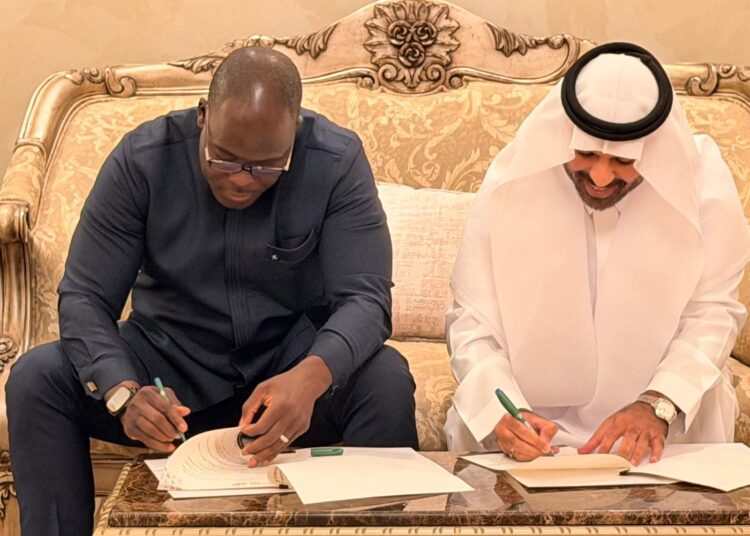
Ghana’s Cocoa Marketing Company has secured firm commitments for the country’s semi-finished cocoa products in the United Arab Emirates and Saudi Arabia, marking a fresh push to expand export markets for value-added cocoa.
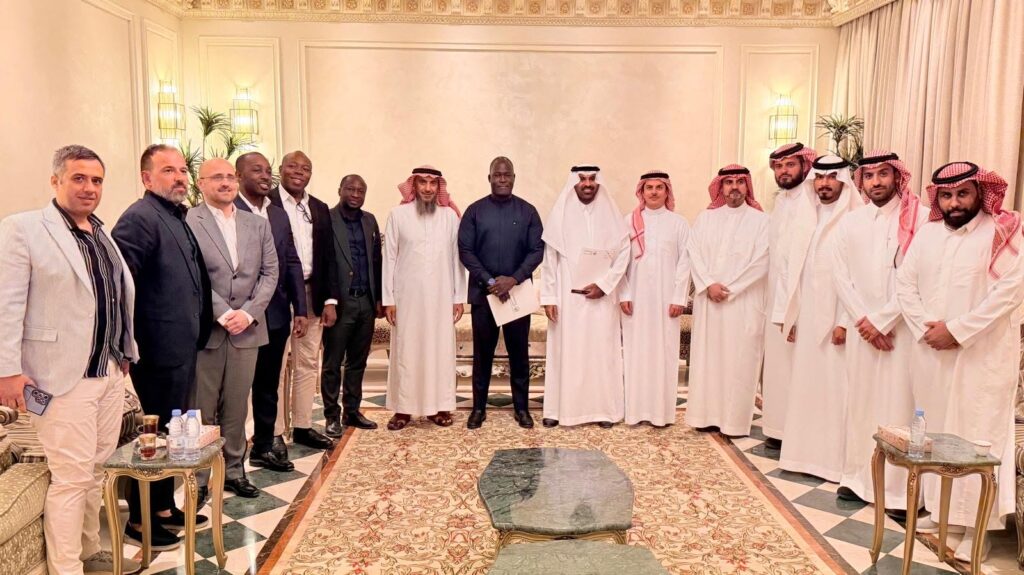
Dr Wisdom Dogbey, Managing Director of the Cocoa Marketing Company Ghana Limited, disclosed the development in a statement following recent engagements in both Gulf nations.
Dogbey said the commitments cover cocoa liquor, butter, cake, and powder, products that represent processed forms of cocoa rather than raw beans. He framed the achievement within a broader principle guiding the company’s strategy.
“Ghana’s cocoa value-addition agenda must be supported by real and sustainable market demand,” he said, underscoring that expanding processing capacity means little without buyers already lined up to absorb the output.
Supporting a Presidential Vision for Local Processing
According to Dogbey, these new market commitments provide an important commercial foundation for President John Dramani Mahama’s vision of processing at least 50 percent of Ghana’s cocoa locally.
This target represents a significant shift from Ghana’s traditional role as primarily an exporter of raw cocoa beans toward a model that captures more value within the country’s own borders before goods reach international markets.
Dogbey explained the strategic logic behind securing buyers first. “By identifying buyers before increasing production, we can activate existing but underutilised processing capacity without creating unsold inventory,” he said.
This approach addresses a common risk in industrial expansion, where increased production without secured demand can leave companies holding excess stock they struggle to sell.
Dubai Partnership Opens Wider Trading Networks
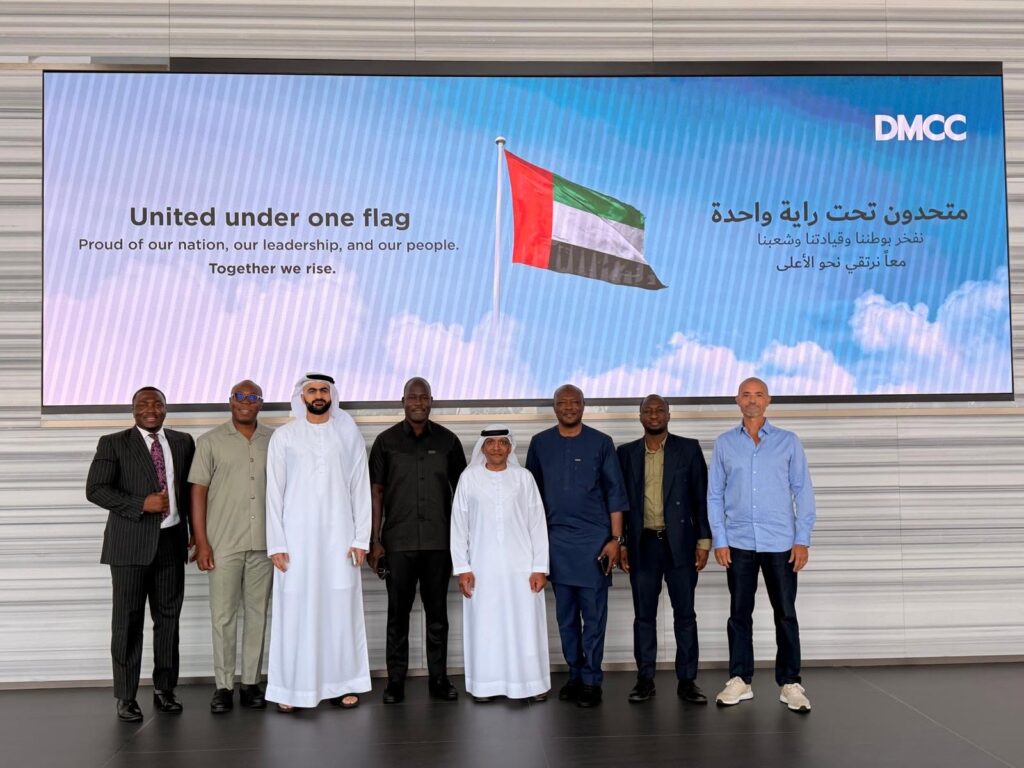
Among the most significant developments Dogbey highlighted was engagement with the Dubai Multi Commodities Centre, known as DMCC. He described this partnership as an opportunity to connect Ghanaian cocoa products to established processing and trading networks stretching across the Middle East and Asia.
The DMCC serves as a major commodities trading hub, and access to its networks could offer Ghanaian cocoa processors a gateway into markets well beyond the immediate Gulf region.
By linking Ghana’s semi-finished cocoa products to this established infrastructure, the Cocoa Marketing Company appears to be positioning the country’s processed cocoa for broader international distribution rather than limiting engagement to bilateral deals alone.
Saudi Arabia’s Growing Food Processing Sector
In Saudi Arabia, Dogbey pointed to a specific opportunity tied to the Kingdom’s expanding industrial base. He said Ghana’s cocoa has strong potential to support the Kingdom’s growing food-processing and confectionery industries, suggesting that demand for cocoa inputs in Saudi Arabia is rising alongside the country’s broader economic diversification efforts.

This alignment between Ghana’s cocoa supply and Saudi Arabia’s expanding processing needs offers a natural commercial fit, one that could grow further as the Kingdom continues investing in food production and manufacturing capacity as part of its own economic transformation plans.
A Shift in the Company’s Core Role
Dogbey used his statement to describe a broader evolution underway at the Cocoa Marketing Company itself. He said the organisation’s responsibility is moving beyond the export of raw cocoa beans toward a more strategic function within the value chain.
“We are building strategic partnerships that match increased domestic processing with reliable international demand,” he said. This shift reflects a deliberate repositioning of the company’s role, from primarily facilitating bean exports to actively coordinating the market side of Ghana’s value addition strategy.
Rather than simply moving raw product to international buyers, the Cocoa Marketing Company now appears focused on ensuring that Ghana’s growing processing capacity has guaranteed outlets for its finished and semi-finished goods.
Diversification as a Long Term Strategy
Looking ahead, Dogbey outlined a vision centered on three interconnected priorities for Ghana’s cocoa sector. “The future of Ghana’s cocoa industry lies in creating more value at home, diversifying our markets and ensuring that every stage of the value chain contributes more meaningfully to national development,” he said.
This statement captures the underlying logic connecting the Gulf market commitments to Ghana’s broader economic ambitions.
Value addition at home increases the share of cocoa related revenue that stays within the Ghanaian economy, while market diversification reduces the country’s reliance on any single buyer or region, offering greater resilience against price fluctuations or shifts in demand from traditional markets.
With firm commitments now secured in both the United Arab Emirates and Saudi Arabia, attention turns to how quickly Ghana’s processing sector can scale up to meet this new demand.
The success of this strategy will likely depend on whether domestic processors can consistently deliver the volumes and quality standards required to sustain these Gulf partnerships over time, turning what Dogbey describes as underutilised capacity into a fully active contributor to Ghana’s cocoa export earnings.
READ ALSO: Barker-Vormawor A Reset Must Uproot Rotten Public Sector System