The National Health Insurance Authority (NHIA) is deepening its collaboration with licensed community pharmacies as part of a comprehensive strategy to strengthen primary healthcare delivery, expand access to essential health services and accelerate Ghana’s progress towards Universal Health Coverage (UHC
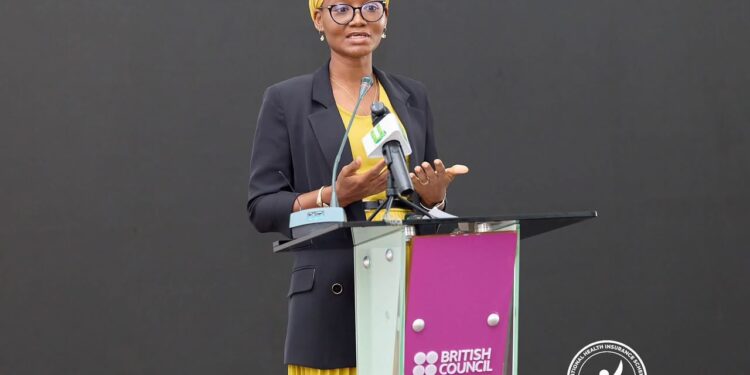
Speaking on behalf of the Chief Executive of the NHIA, the Authority’s Operations Acting Director, Mad. Mariam Musah, outlined a series of reforms aimed at integrating community pharmacies more effectively into Ghana’s healthcare delivery system through the Free Primary Healthcare (FPHC) programme and an ambitious nationwide digital transformation agenda.
According to Mad. Musah, community pharmacists occupy a strategic position within Ghana’s healthcare system and are well placed to deliver preventive, promotive and basic curative services closer to where people live, particularly in underserved communities.
“Community pharmacies represent one of the strongest links between the healthcare system and ordinary citizens, making them indispensable partners in expanding quality primary healthcare services nationwide.”
Operations Acting Director, Mad. Mariam Musah
Mad. Musah explained that the Authority’s renewed collaboration with licensed community pharmacies aligns directly with the government’s objective of achieving Universal Health Coverage through the National Health Insurance Scheme (NHIS).
She observed that expanding healthcare delivery beyond hospitals and larger health facilities is critical to ensuring equitable access to healthcare services across the country.
Community Pharmacies Central to Universal Health Coverage
According to her, the Free Primary Healthcare agenda prioritises preventive healthcare alongside treatment services, allowing communities to receive timely interventions before medical conditions become severe.
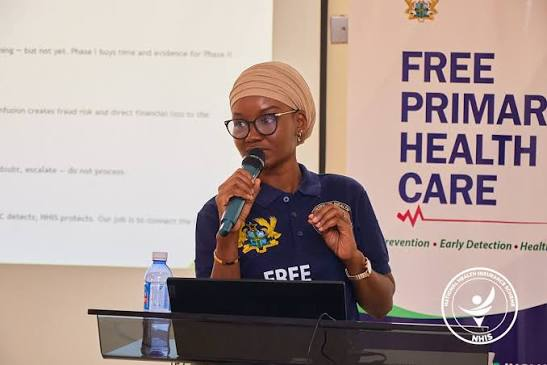
She stressed that community pharmacists have an increasingly important responsibility in promoting healthy lifestyles, preventing diseases, managing minor illnesses and supporting patients living with chronic medical conditions.
Beyond dispensing medicines, she indicated that pharmacists are expected to provide medication therapy management, patient education, referrals, self-care guidance and early identification of health complications requiring higher levels of medical attention.
“The Free Primary Healthcare programme recognises that prevention and early intervention are just as important as treatment. Community pharmacists therefore have a critical responsibility in delivering accessible healthcare before conditions become more complicated.”
Operations Acting Director, Mad. Mariam Musah
Innovative Payment Model Introduce
As part of ongoing reforms, Ms. Musah disclosed that the NHIA has introduced a blended provider payment model designed to improve financing under the Free Primary Healthcare programme.
The model combines the traditional fee-for-service approach and the Ghana Diagnosis Related Groups (G-DRG) payment system for curative healthcare with a population-based financing mechanism dedicated to preventive and promotive health services.
She explained that the new arrangement is intended to ensure healthcare providers receive appropriate reimbursement while encouraging greater investment in disease prevention and health promotion.
The initiative, she noted, reflects the Authority’s determination to move beyond treatment-focused financing towards a more balanced healthcare model that rewards preventive interventions capable of reducing long-term healthcare costs.
Primary Healthcare Programme Expanding Across Ghana
Ms. Musah revealed that implementation of the Free Primary Healthcare programme has already expanded significantly across the country.
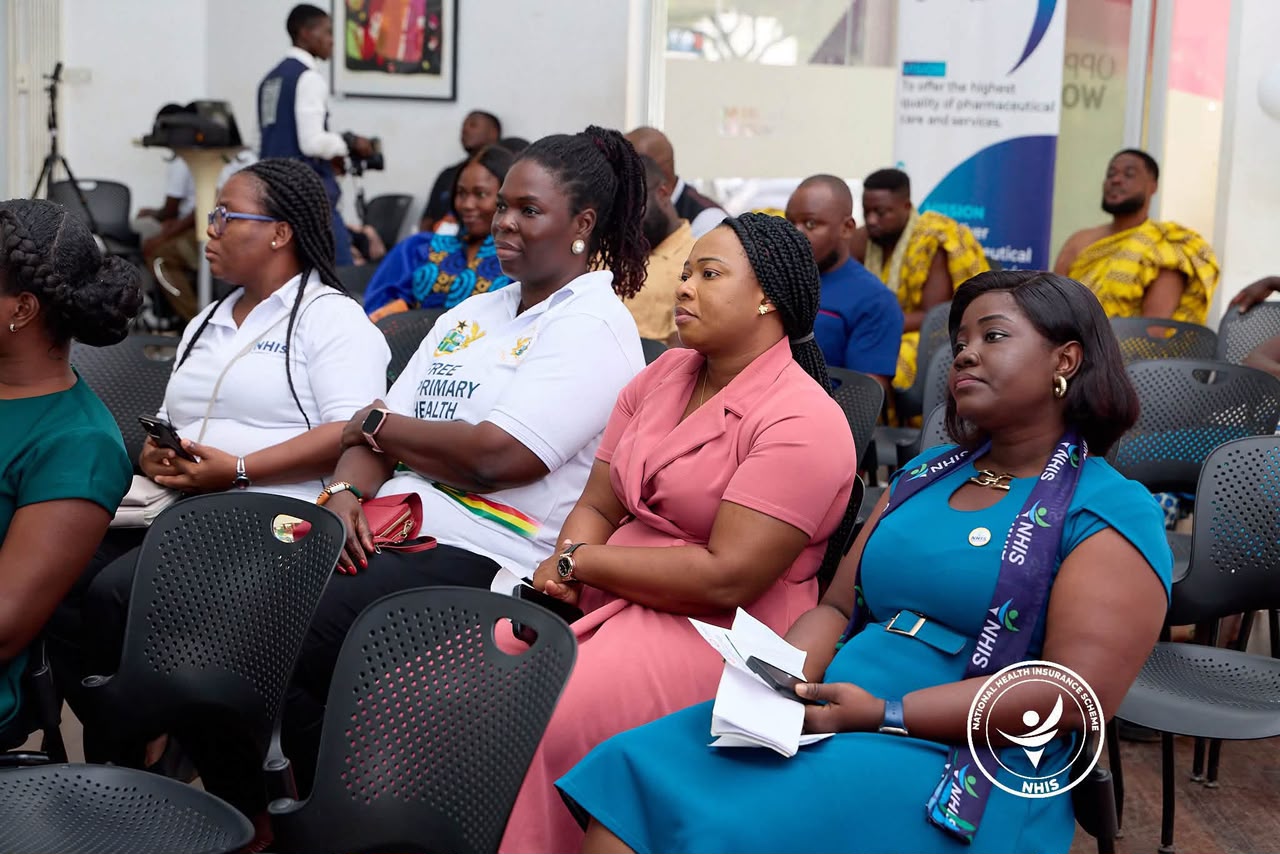
According to her, the initiative is currently operational in 160 of Ghana’s 261 districts, with services being delivered through Community-based Health Planning and Services (CHPS) compounds, health centres, selected Christian Health Association of Ghana (CHAG) facilities and public health units within polyclinics.
She further disclosed that the Authority intends to broaden the programme by incorporating additional service delivery points, including licensed community pharmacies and school sick bays.
The planned expansion is expected to bring healthcare services even closer to communities while improving early diagnosis and treatment of common illnesses.
Digital Transformation Driving Healthcare Reform
A major aspect of the Authority’s transformation strategy, according to Ms. Musah, is the deployment of digital technologies to improve efficiency, transparency and patient care.
She announced that the phased implementation of the NHIS Electronic Healthcare Services Application (NeHSA) and the National Electronic Pharmacy Platform (NEPP) is progressing steadily across the country.
The digital rollout currently covers the Greater Accra, Ashanti, Eastern, Northern and Western Regions, where 504 healthcare facilities, including close to 100 community pharmacies, have already been integrated into the new electronic system.
She explained that these digital platforms are simplifying healthcare administration while strengthening patient record management, electronic claims processing and service monitoring.
Community pharmacies and CHPS compounds, she added, are also becoming important centres for digital health data collection through emerging telehealth infrastructure.
According to Ms. Musah, these technological investments will ultimately improve healthcare planning, strengthen evidence-based decision-
making and enhance service delivery across the health sector.

Pharmacists Invited To Shape Future Healthcare Delivery
Recognising the practical experience of frontline pharmacists, Mad. Musah called for stronger collaboration between the Authority and community pharmacy practitioners as implementation of the Free Primary Healthcare programme continues.
She encouraged pharmacists to actively contribute ideas that will guide the development of participation protocols, quality assurance standards, digital onboarding processes, electronic prescription systems and claims-linked service platforms.
The Operations Acting Director maintained that successful healthcare reform depends on continuous engagement with healthcare professionals whose daily experiences provide valuable insights into improving policy implementation.
“Healthcare reforms achieve lasting impact when practitioners directly involved in patient care contribute their knowledge to the design and implementation of national health programmes.”
Operations Acting Director, Mad. Mariam Musah
She expressed confidence that stronger collaboration would help build a more responsive healthcare system capable of addressing the evolving needs of Ghana’s growing population.
Strengthening Healthcare at Community Level
Mad. Musah’s presentation reflects the NHIA’s broader commitment to repositioning primary healthcare as the foundation of Ghana’s health system.
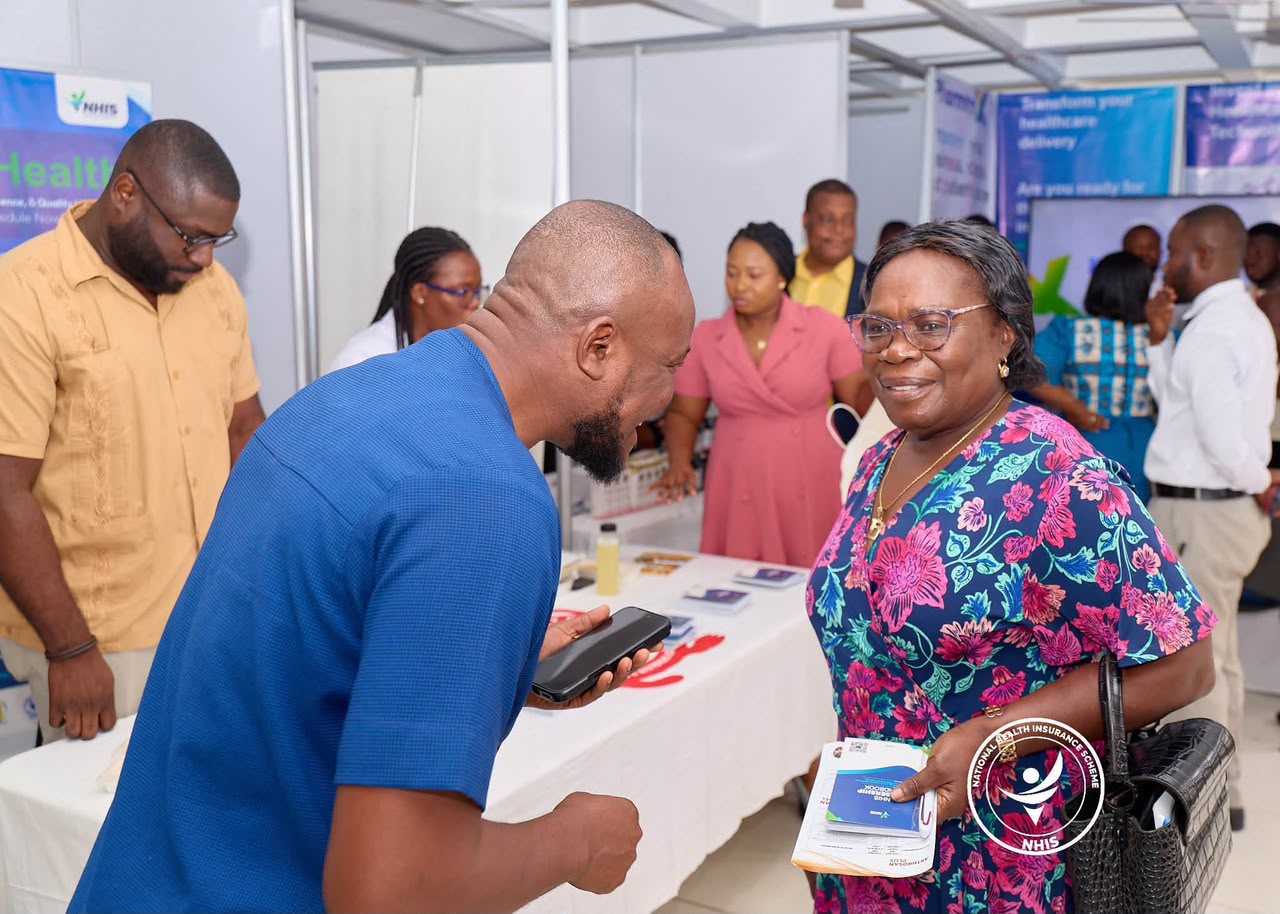
By integrating community pharmacies into both healthcare delivery and digital health infrastructure, the Authority seeks to reduce pressure on hospitals while improving access to essential services within local communities.
The reforms are also expected to strengthen continuity of care through better patient referrals, improved medication management and enhanced monitoring of chronic diseases.
With digital innovation, expanded provider participation and a financing model that rewards preventive healthcare, the NHIA believes Ghana is laying a stronger foundation for achieving Universal Health Coverage while delivering more efficient, accessible and people-centred healthcare services across the country.
READ MORE: Health Education is Missing Link to Ghana’s Universal Healthcare – Dr. Sayibu