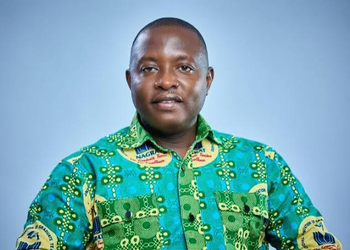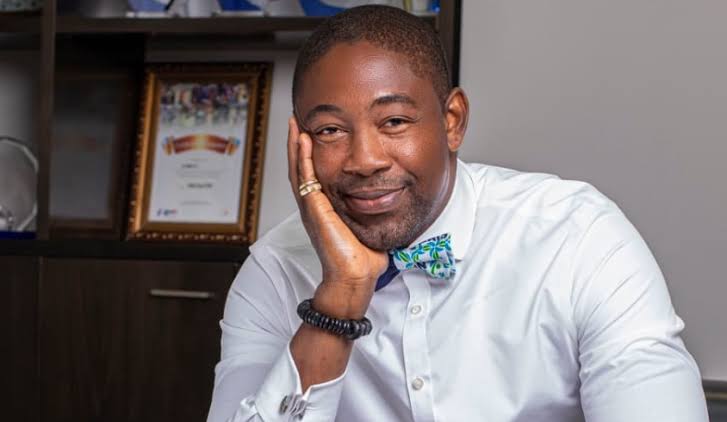
Former Health Minister, Dr. Bernard Okoe-Boye, has issued a sharp warning to government over its handling of youth unemployment, suggesting that by the end of the year, more young Ghanaians may have been arrested than have been given jobs by the current administration.
Speaking on the state of youth engagement with the government, Dr. Okoe-Boye argued that job creation, not law enforcement, should be the single most urgent priority for authorities dealing with a restless and increasingly vocal youth population. His remarks come amid growing public attention on how government is responding to young Ghanaians who have taken to social media platforms to criticise the administration.
Dr. Okoe-Boye did not mince words in describing what he sees as a troubling shift in government’s approach to young people, particularly those expressing dissatisfaction online.
He argued that the most effective way to address youth frustration is not through arrests or crackdowns on social media activity, but through deliberate efforts to expand employment opportunities nationwide, insisting that opportunity creation remains the foundation of any credible response to youth discontent.
“The single most important thing is to create jobs, that’s what the youth in this country need.”
Dr. Bernard Okoe-Boye

He questioned the government’s record on job creation so far, suggesting that the pace of arrests targeting young people, including those posting content on platforms like TikTok, risks overshadowing any genuine progress made on employment. He framed the trend as symptomatic of a government more focused on managing public criticism than addressing its underlying causes.
Calls for Fairness and Consistency in Enforcement
Beyond the jobs conversation, Dr. Okoe-Boye called for greater fairness and consistency in how the law is applied, particularly when it comes to criticism directed at political leaders. He contrasted the current administration’s response to online criticism with how former President Nana Akufo-Addo handled similar attacks during his time in office.
He recalled that Akufo-Addo had once been described in harsh terms, including being referred to as part of a “Sakawa Mafia,” yet did not respond with arrests, using the example to argue that political leaders should develop thicker skin rather than resorting to enforcement action against critics. He suggested that this restraint, rather than retaliation, should be the standard political leaders hold themselves to, regardless of how personal or unfair the criticism may feel.
Drawing on his own experience in public life, Dr. Okoe-Boye maintained that politicians who cannot tolerate criticism or insults have chosen the wrong profession, likening the situation to a boxer who fears getting hit.
He said he personally does not respond with hostility when insulted, even when the criticism directed at him is unfounded, describing such resilience as a hallmark of political maturity rather than weakness. He explained that his own approach is to treat insults the way one would treat water being poured away, present for a moment, then gone, rather than something worth dwelling on or reacting to with force.
He extended his critique to supporters of the ruling party who, in his view, have been quick to insult opponents without facing similar consequences, suggesting that the current pattern of enforcement appears selective rather than evenly applied across the political divide.
Direct Appeal to President Mahama
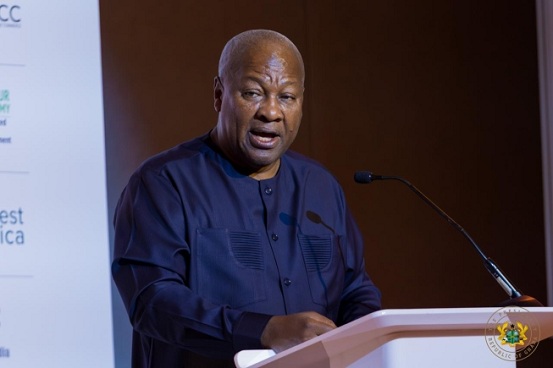
Dr. Okoe-Boye closed his remarks with a personal appeal to President John Mahama, expressing surprise at the direction enforcement actions against young critics appear to be taking under his administration. He said he has known the President to be a gentleman and questioned whether the pattern of arrests reflects the President’s own instincts or the influence of those advising him.
He urged the President to take a closer look at how these matters are being handled, framing his comments as a plea rather than an outright condemnation, and expressing hope that the administration would recalibrate its approach toward young Ghanaians expressing themselves online.
Broader Implications for Youth Relations
Dr. Okoe-Boye’s comments add to a growing public conversation about the relationship between government and Ghana’s youth, many of whom continue to grapple with limited job prospects even as digital platforms give them louder and more visible avenues to express frustration.
His remarks suggest that how government balances enforcement of the law with tolerance for criticism, alongside its actual record on job creation, could become an increasingly sensitive political issue as the year progresses.
Whether his appeal prompts any shift in approach from the Presidency remains to be seen, but his intervention adds a notable voice from within the political class to the ongoing debate over youth unemployment and freedom of expression in the country.
READ MORE: Absa Partners Lifeline for Childhood Cancer, Commissions Bakery