
The Ghana Education Service (GES) has launched a pilot National Entrepreneurship Programme for Senior High Schools, introducing a practical model of entrepreneurship education aimed at equipping students with business, innovation and employability skills while preparing them to become future job creators rather than job seekers.
The initiative, developed in partnership with Kivo Ghana, marks a significant shift in Ghana’s pre-tertiary education landscape by integrating real world business experiences into classroom learning as part of broader efforts to address youth unemployment and strengthen entrepreneurial capacity among students before they enter tertiary institutions or the labour market.
“Entrepreneurship education must move beyond textbooks to practical experiences that empower students to identify opportunities, solve problems and build sustainable enterprises capable of driving national development.”
Deputy Director-General of GES in charge of Management Services, Professor Smile Gavua Dzisi
The Ghana Education Service has begun piloting the National Entrepreneurship Programme in selected Senior High Schools, with plans to gradually expand the initiative across the country following the assessment of its initial implementation.
Building Entrepreneurial Mindsets Early
The programme is designed to bridge existing skills gaps within Ghana’s education system by nurturing entrepreneurial thinking from an early stage while exposing students to practical business development experiences.
Education stakeholders have increasingly advocated for stronger entrepreneurship education as youth unemployment remains one of Ghana’s pressing socio-economic challenges. Although many graduates possess academic qualifications, employers and industry experts have consistently highlighted gaps in practical skills, innovation and enterprise development.
The new programme seeks to respond to these concerns by providing students with opportunities to develop creativity, leadership, critical thinking, teamwork and problem-solving abilities alongside traditional academic instruction.
Beyond classroom lessons, the initiative is expected to establish a scalable national framework for entrepreneurship education that can eventually become an integral component of pre-tertiary learning across the country.
Students Encouraged to Become Job Creators
Deputy Director-General of GES in charge of Management Services, Professor Smile Gavua Dzisi, described the initiative as a strategic investment in Ghana’s future workforce.
According to her, entrepreneurship education should not remain a theoretical subject but should provide learners with practical experiences that prepare them for real economic opportunities.
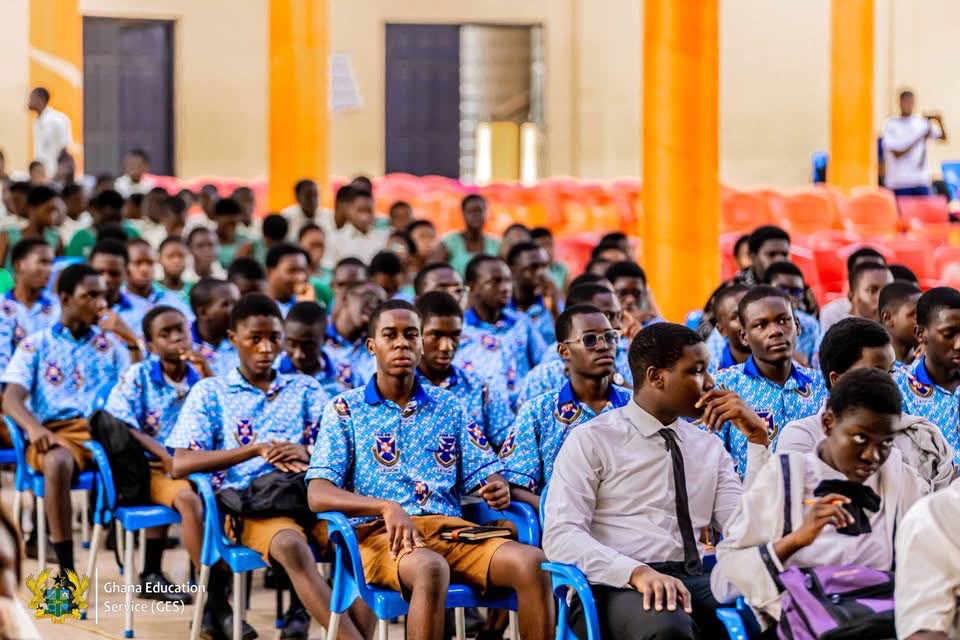
She urged students to embrace innovation and develop solutions capable of addressing challenges within their communities.
“Our objective is to nurture confident young innovators who create opportunities for themselves and others instead of waiting for employment after completing school. This programme gives students the practical foundation to transform ideas into viable businesses.”
Deputy Director-General of GES in charge of Management Services, Professor Smile Gavua Dzisi
Professor Dzisi further encouraged learners to channel their creativity into productive ventures capable of contributing to Ghana’s economic transformation.
She noted that the programme reflects a broader educational philosophy that equips students with lifelong skills while preparing them to adapt to rapidly changing economic conditions driven by technology, innovation and entrepreneurship.
Education experts have long argued that introducing entrepreneurship education at the pre-tertiary level increases students’ confidence, improves financial literacy and strengthens their ability to identify business opportunities at an early age.
Industry Partnership Strengthens Practical Learning
The programme is being implemented through collaboration between GES and Kivo Ghana, bringing together educational expertise and private-sector experience to provide students with meaningful exposure to entrepreneurship.
Representing the Chief Executive Officer of Procus Ghana, Mr. Evans Kwofie encouraged students to remain curious, believe in their potential and actively participate throughout the programme.
He stressed that innovation often begins with curiosity and confidence, urging students to challenge themselves and think creatively when solving problems.
“Young people possess enormous potential to become innovators and business leaders. By remaining inquisitive, embracing new ideas and participating fully, students can develop the confidence needed to build successful enterprises in the future.”
Chief Executive Officer of Procus Ghana, Mr. Evans Kwofie
The partnership reflects growing recognition that collaboration between educational institutions and industry can help bridge the gap between classroom instruction and workplace expectations.

Such collaborations also expose students to real business environments, allowing them to better understand entrepreneurship beyond academic theory.
Preparing Future Business Leaders
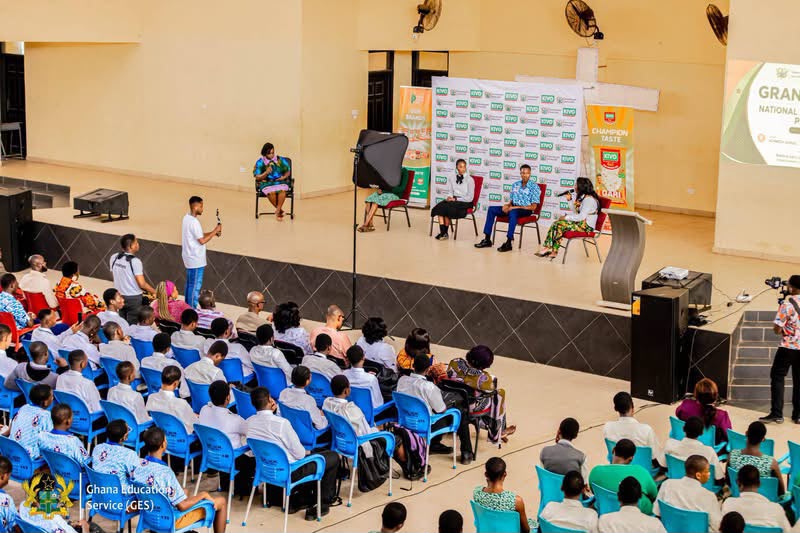
As part of the programme’s rollout, students participated in discussions exploring entrepreneurship, innovation and youth leadership.
Representatives from Achimota School, Accra STEM Academy and Wesley Grammar School shared perspectives on the growing role of young people in business development and innovation.
The discussions highlighted the increasing importance of entrepreneurship in addressing unemployment while creating sustainable economic opportunities for Ghana’s youthful population.
The pilot phase is expected to generate valuable lessons that will guide nationwide implementation, including curriculum refinement, teaching approaches and student engagement strategies.
Education analysts believe practical entrepreneurship programmes can significantly improve students’ readiness for both employment and self-employment by developing transferable skills applicable across multiple sectors.
For GES, the initiative forms part of broader efforts to modernise Ghana’s education system and align learning outcomes with the demands of a competitive global economy.
By encouraging creativity, innovation and enterprise development at the Senior High School level, the Service aims to cultivate a generation of graduates equipped not only with academic knowledge but also with the confidence, practical skills and entrepreneurial mindset needed to create businesses, generate employment and contribute meaningfully to Ghana’s long-term socio-economic development.
READ MORE: NHIA Expands Digital Primary Healthcare Through Community Pharmacy Integration