Ghana Gold Board (GoldBod) has joined forces with the United Nations Children’s Fund (UNICEF) and other key developmental stakeholders to launch a landmark joint initiative aimed at eradicating child labour within the nation’s artisanal and small-scale mining (ASM) sector.
This strategic partnership is meticulously designed to equip GoldBod’s Corporate Social Responsibility (CSR) and Community Relations team with the critical resources, knowledge, and practical frameworks required to defend child rights and entrench responsible business practices deep within its institutional operations.
By consolidating regulatory oversight with child protection mechanisms, the initiative seeks to establish a sustainable, ethical, and human rights-respecting gold supply chain across Ghana.
“The partnership aims to equip GoldBod’s Corporate Social Responsibility and Community Relations team with the knowledge, tools, and practical frameworks to address child labour, uphold child rights, and embed responsible business conduct across its operations.”
Ghana Gold Board (GoldBod)
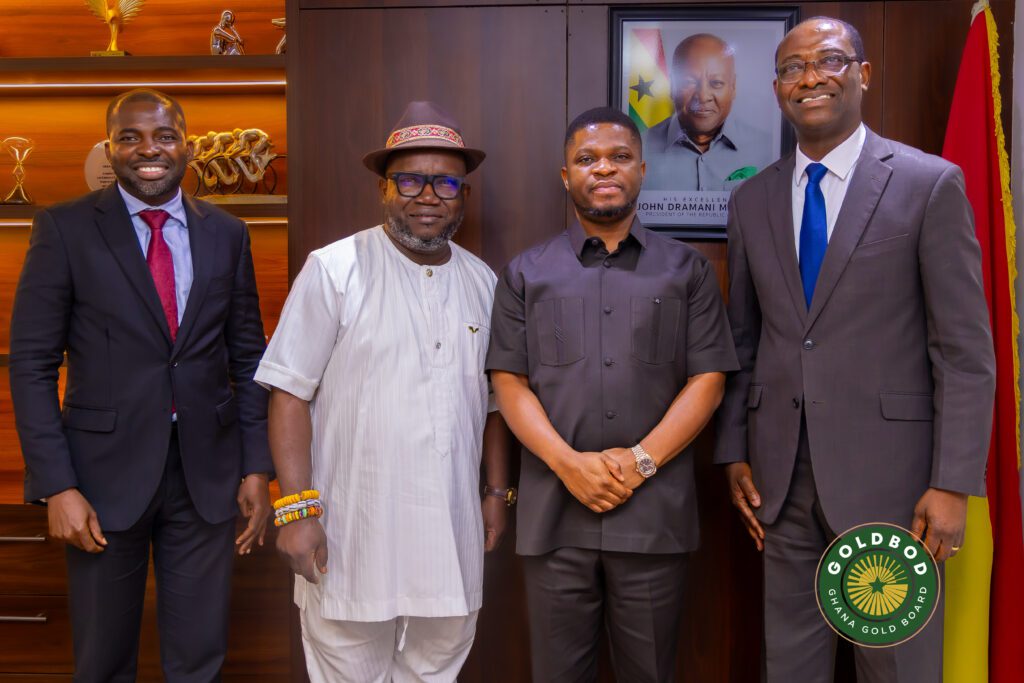
Through a comprehensive, two-day capacity-building workshop convened in Aburi, Eastern Region, the collaborative partners successfully deepened the participants’ understanding of national child protection laws, child labour dynamics, and the corporate human rights obligations binding Ghana’s extractive industry.
The training actively positioned GoldBod as a responsible, rights-respecting public entity within the domestic gold value chain, driving the creation of targeted action plans to address systemic vulnerabilities in mining communities.
The intensive modules guided participants through the intricacies of child rights due diligence, regulatory compliance, and localized advocacy, preparing them to serve as frontline agents against child exploitation in mining enclaves.
Operationalizing ESG Standards and Localized Child Protection
To ensure the sustainability of this intervention, GoldBod is integrating rigid corporate governance guidelines across its regulatory networks.
“According to him, GoldBod’s ESG rules protect workers and the environment through traceability, human rights and anti-corruption,” stated Dr. Thomas Agyei, the Head of Environmental, Social, and Governance (ESG) at the Ghana Gold Board.
He emphasized that the board strictly mandates all licensed buyers and ancillary service providers to adhere to rigorous ESG baselines as a condition of their operations.
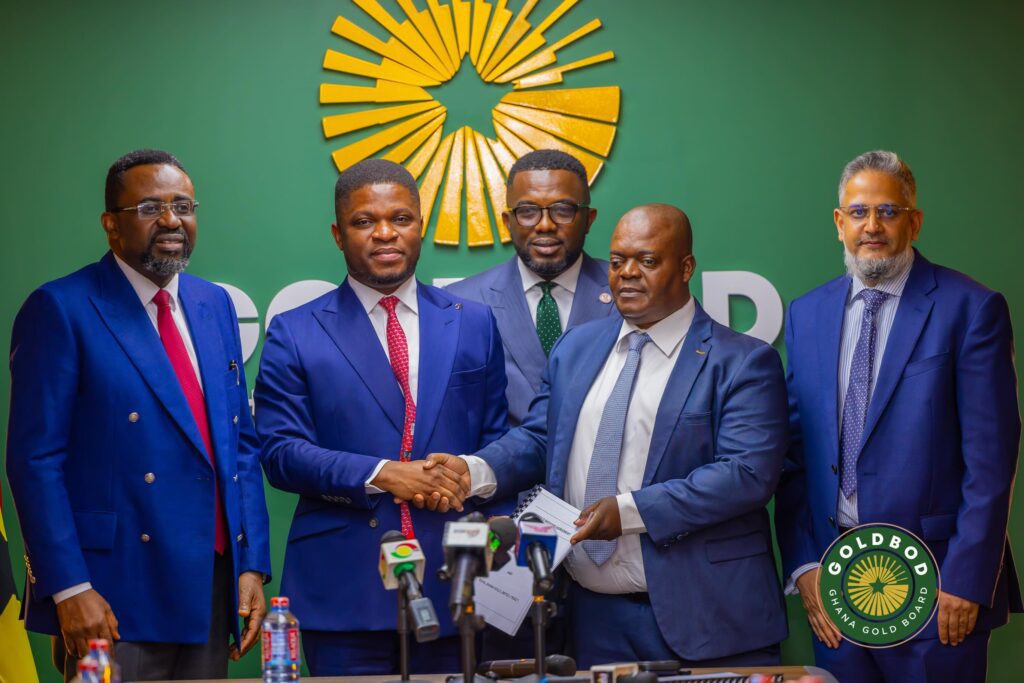
During the interactive sessions, Young Joo Lee, a Child Protection Specialist with UNICEF, presented global regulatory trends, public-private partnership models, and updates on a critical new study analyzing the socioeconomic impacts of illegal mining on children’s development.
The operationalization of these insights is expected to trigger immediate field-level interventions.
Expressing optimism about the field utility of the workshop, Ruth Holdbrook-Smith, a Principal Officer with GoldBod’s CSR unit, noted that the training will allow frontline officers to “receive practical knowledge of child labour and the approaches in raising awareness” to rapidly identify and mitigate issues in the field.
Further reinforcing this drive, Douglas Acquah-Hagan, the Director of Human Resources at GoldBod, urged the participants to “take home lessons from the training, test them out and implement them” to decisively eliminate the scourge of underage exploitation from the mining sector.
Elevating Ghana’s Global Standing in the Gold Market
This proactive alliance between GoldBod and UNICEF carries profound, transformative potential for the broader Ghanaian mining sector.
On a global stage increasingly governed by stringent human rights and environmental regulations such as the European Union’s Corporate Sustainability Due Diligence Directive (CSDDD) a verifiable commitment to eliminating child labour elevates the commercial value and market acceptability of Ghanaian gold.
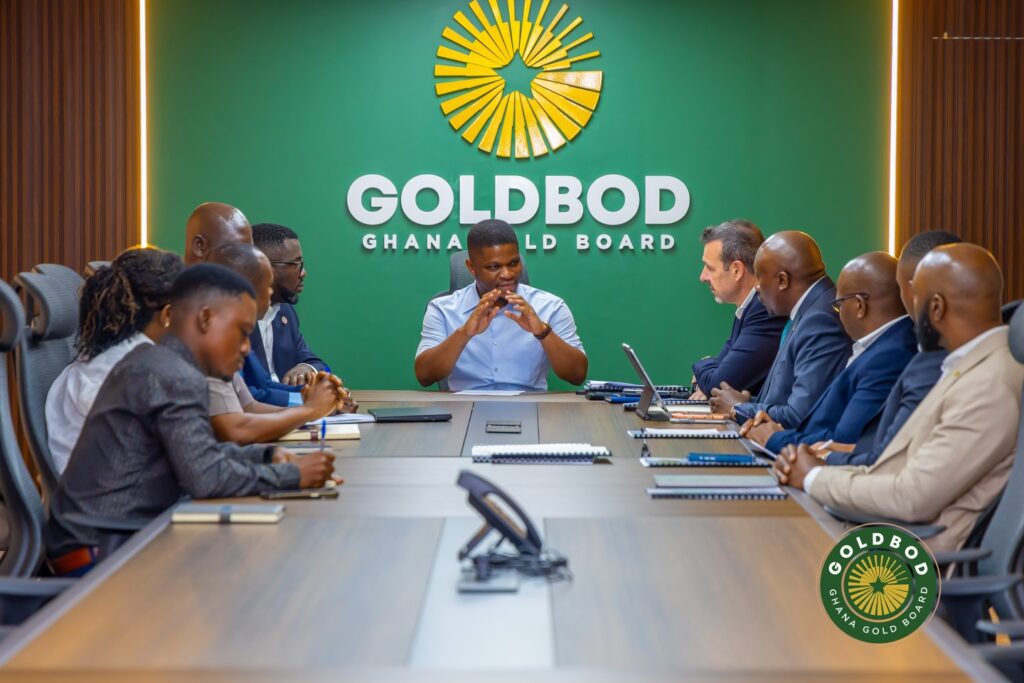
By demonstrating robust child rights due diligence and operational transparency, GoldBod mitigates the reputational risks that have historically shadowed artisanal and small-scale gold mining in West Africa.
Furthermore, this systemic upgrade enhances local socio-economic stability by reclaiming children from hazardous mining sites and redirecting them into formal education.
Elevating child welfare standards directly boosts local human capital development, laying a stable foundation for the communities hosting these vast mineral reserves. Clean, conflict-free, and ethically sourced gold will naturally attract premium international buyers and institutional investors who prioritize ESG compliance.
Ultimately, by converting regulatory theories into enforceable community protections, GoldBod is effectively safeguarding both the future of Ghana’s children and the long-term economic viability of its most lucrative natural resource.
READ ALSO: Lamine Yamal Predicts France To Be Spain’s Toughest Opponent Yet