Ghana and Kenya are stepping up cooperation in petroleum regulation as the National Petroleum Authority (NPA) hosted a high-level delegation from Kenya’s Energy and Petroleum Regulatory Authority (EPRA) for a study visit aimed at deepening collaboration and sharing regulatory best practices across Africa’s downstream petroleum industry.
The visit reflects growing efforts by African energy regulators to strengthen institutional capacity through peer learning at a time when countries are pursuing reforms to improve fuel quality, market oversight and energy security. It also reinforces Ghana’s position as a reference point for downstream petroleum regulation on the continent.
The Kenyan delegation is in Ghana to understudy the NPA’s regulatory framework and operational systems, with discussions expected to focus on policies and regulatory approaches that have shaped Ghana’s downstream petroleum sector.
Regional cooperation gains momentum
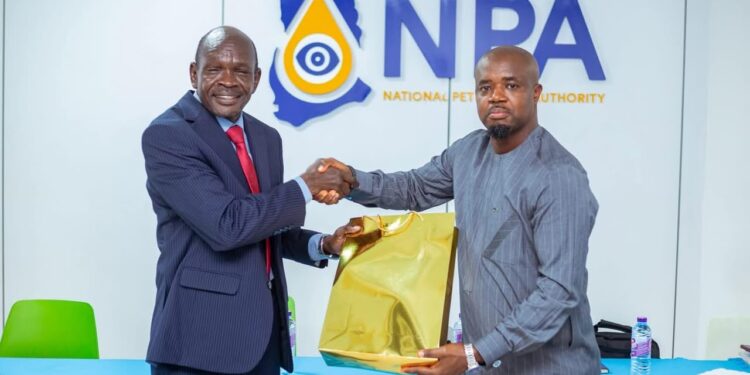
Receiving the delegation, Chief Executive Officer of the NPA, Mr. Godwin Kudzo Tameklo, described the engagement as another opportunity to strengthen ties between African regulators while promoting continuous improvement across the petroleum industry.
The visit underscores the shared commitment of both countries to collaboration, knowledge sharing and promotion of regulatory excellence across the continent.
National Petroleum Authority
The delegation was received by Mr. Tameklo together with the Deputy Chief Executive of the NPA, Dr. Sheila Addo, and members of the Authority’s Executive Committee, highlighting the importance attached to the engagement.
The exchange comes as regulators across Africa face increasing pressure to strengthen governance frameworks, improve fuel standards and enhance market transparency while ensuring reliable petroleum supply.
For Ghana, such engagements also provide an opportunity to showcase regulatory systems that have evolved over the years to supervise petroleum marketing companies, licensing, pricing oversight, product quality assurance and consumer protection.
Sharing Ghana’s regulatory experience
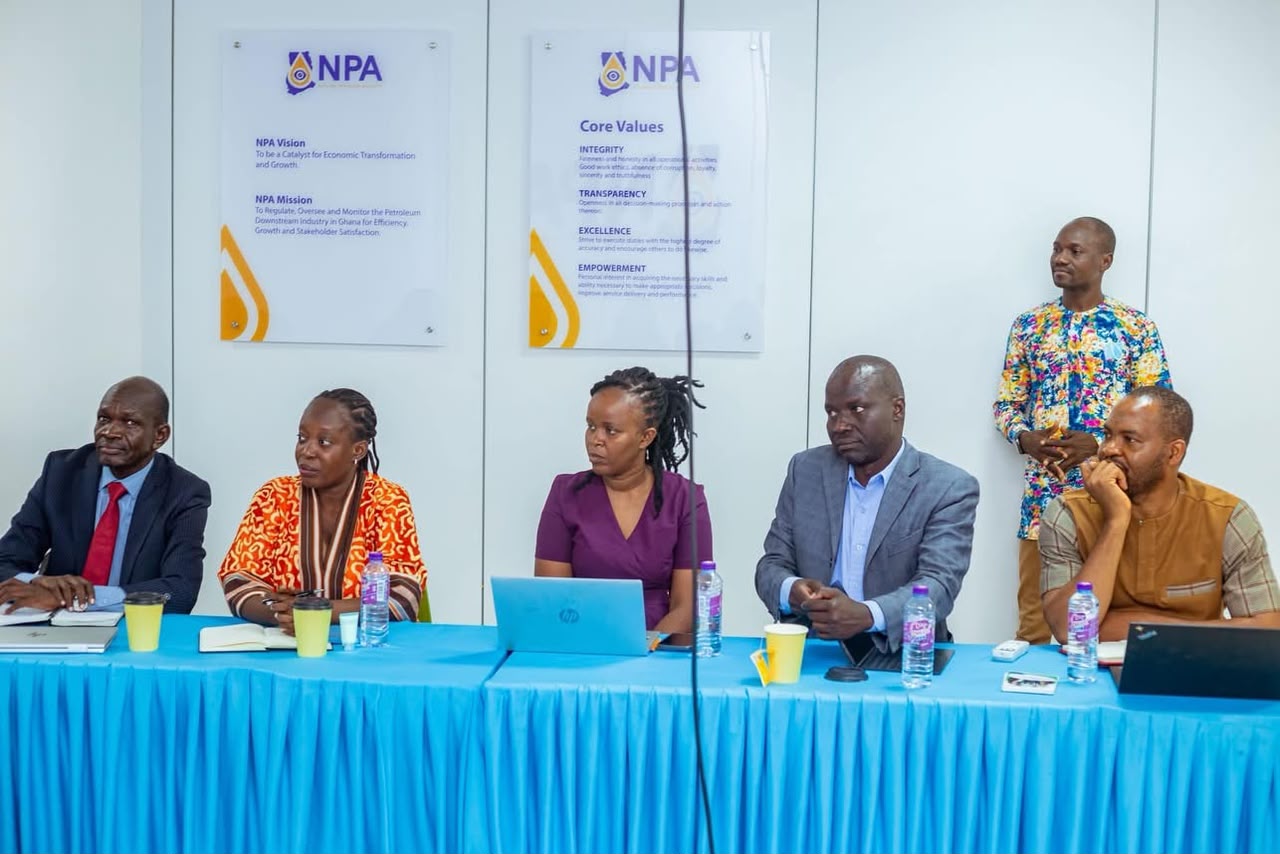
As part of the study tour, officials from the NPA delivered technical presentations on Ghana’s regulatory architecture and the operational practices that have shaped oversight of the downstream petroleum sector.
The presentations were led by Mr. Rasheed Dauda, Head of Policy at the Policy Coordination Directorate, who outlined Ghana’s regulatory experience and shared lessons from the Authority’s implementation of downstream petroleum policies.
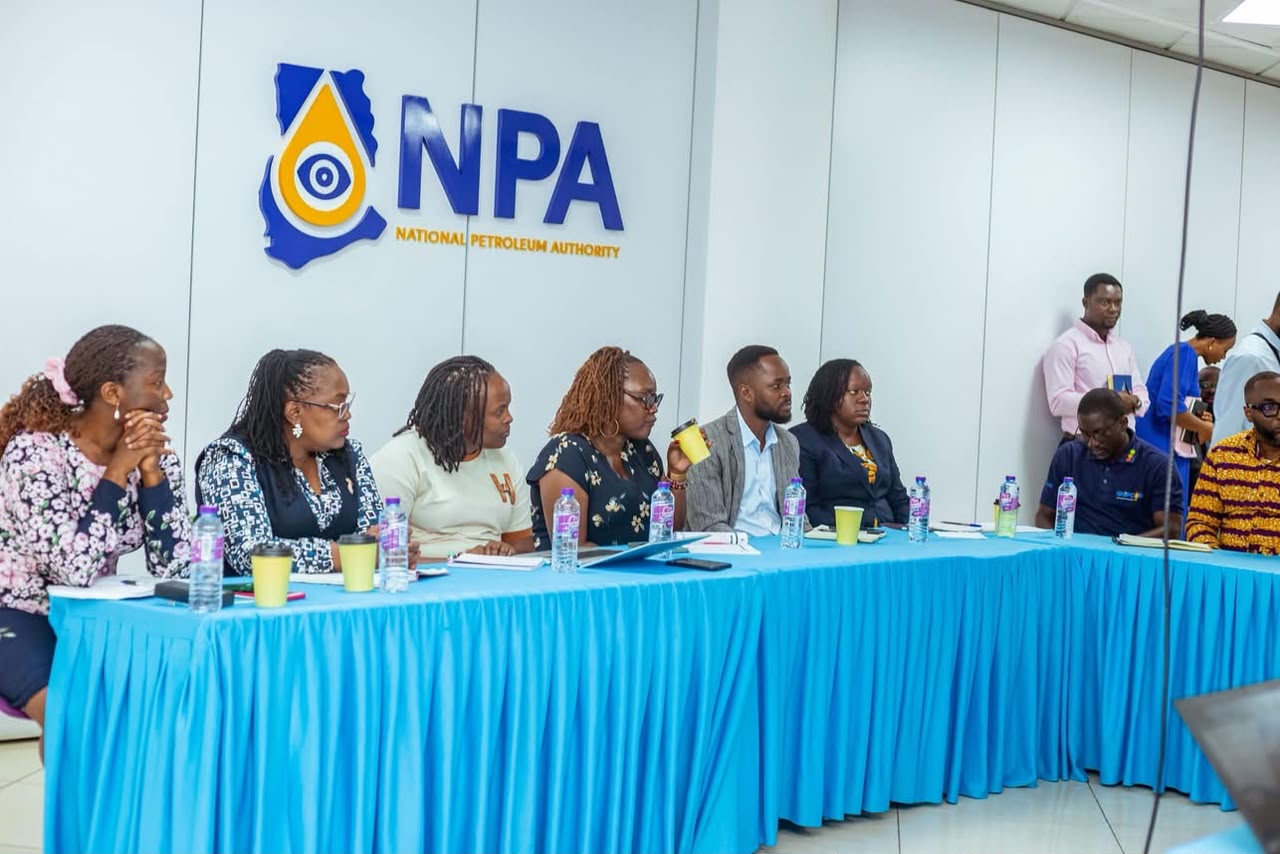
The NPA team led by Mr. Rasheed Dauda, made presentations highlighting Ghana’s regulatory experience and best practices in the downstream petroleum sector.
National Petroleum Authority
Industry observers note that technical exchanges of this nature have become increasingly important as African regulators seek practical solutions to common challenges, including fuel quality monitoring, cross-border petroleum trade, market supervision and regulatory compliance.
Rather than developing new systems independently, regulators are increasingly looking within the continent for tested approaches that can be adapted to their domestic markets.
Building stronger African institutions
The latest engagement adds to a series of regional cooperation initiatives undertaken by the NPA in recent weeks.
The Authority recently hosted officials from the ECOWAS Commission and downstream petroleum regulators from West African member states to share Ghana’s experience in implementing harmonised fuel quality standards. The Kenyan visit extends that knowledge-sharing beyond West Africa, reflecting broader continental efforts to strengthen petroleum governance.

Such partnerships are expected to support stronger institutions, improve regulatory consistency and encourage greater collaboration among African countries as energy markets become increasingly interconnected.
For Ghana, continued recognition by regional counterparts also reinforces confidence in the country’s regulatory framework and highlights the growing importance of institutional cooperation in supporting efficient, resilient and well-regulated petroleum markets across Africa.
READ ALSO: Von der Leyen Awarded Ukraine’s First Order Of Europe