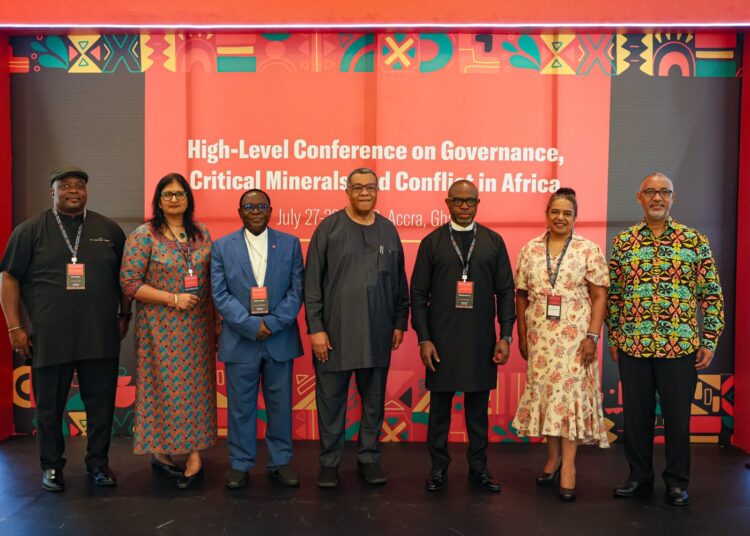
The Open Society Foundations has gathered African key stakeholders, policymakers, civil society leaders, and extractive industry executives in Accra to confront the complex nexus between governance, critical mineral extraction, and regional stability.
This high-level assembly aims to dismantle legacy models of raw resource exploitation by instituting comprehensive structural reforms that prioritize human rights, equitable benefit-sharing, and community-centered decision-making across the continent.
“The link between critical minerals and peace is not automatic. Where governance is transparent and inclusive, these resources can drive development. Where it is weak, they can deepen inequality and fuel instability.”
Director of Democratic Futures in Africa at the Open Society Foundations, Dr Chukwuemeka B. Eze
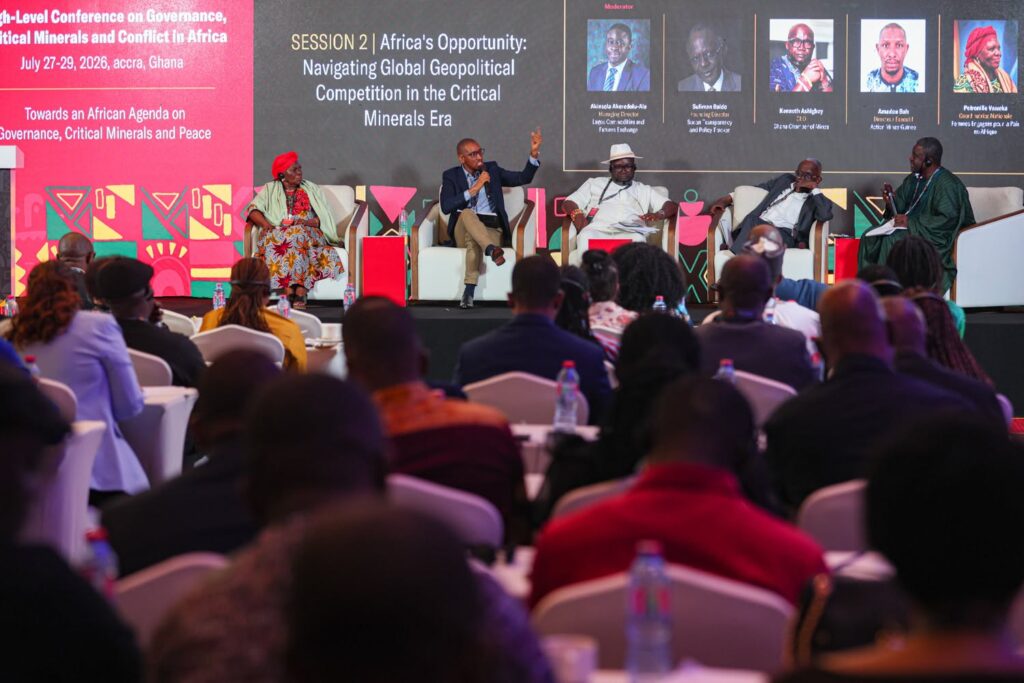
Taking place at the Kempinski Hotel in Accra, the three-day gathering brings together continental delegates to formulate an integrated blueprint for Africa’s extractive sector.
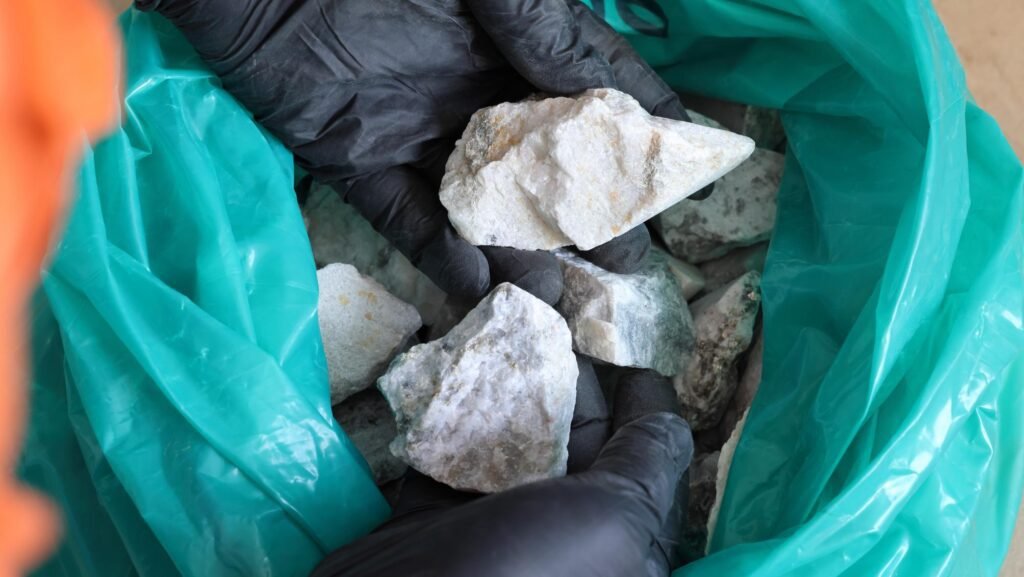
As the global push toward clean energy accelerates, Africa finds itself holding roughly 30 percent of the world’s known critical mineral reserves including vital supplies of cobalt, lithium, coltan, and rare earth elements.
However, this vast economic potential remains severely undermined by historical patterns of environmental degradation, social inequality, and localized violence across resource-rich regions.
Addressing the Resource Paradox and Geopolitical Pressures
The urgency behind this Accra gathering stems from a pressing historical paradox: while Africa powers the global energy transition, local populations remain among the most impoverished and disenfranchised.
Heightened international competition for green transition minerals threatens to trap African nations in asymmetrical trade relationships unless a unified continental front is established.

Dr. Chukwuemeka B. Eze, Director of Democratic Futures in Africa at the Open Society Foundations, highlighted that without synchronized strategies, African countries risk “reinforcing dependency instead of building strength and resilience.”
He noted that “Africa has a narrow window to transform its mineral wealth into real economic gains,” stressing that governments “must move beyond extraction to industrialisation and ensure that revenues benefit our people.”
Transitioning from raw ore exports to domestic processing and value addition forms the cornerstone of this strategic realignment. Historically, foreign corporations have extracted raw minerals, leaving African communities to bear the severe ecological and social costs while offshoring high-value refining and manufacturing jobs.
By establishing regional processing hubs and enforcing strict environmental standards, the continent can capture higher economic margins along the global supply chain.
Furthermore, bringing artisanal miners, women, and youth into formal governance structures guarantees that frontline communities directly influence resource management.
As Dr. Eze observed, “too often, those closest to the resources are the least involved in decisions about them,” making grassroots inclusion non-negotiable for lasting peace.
Strengthening Public Institutions and Systemic Governance
Unlocking the full potential of Africa’s extractive sector requires moving beyond surface-level political promises to tackle deep-seated institutional weaknesses.
Contributing to a high-level panel discussion, Nigerian Bishop Matthew Hassan Kukah argued that the root cause of the continent’s developmental stagnation lies in fragile governance structures rather than individual leadership failures alone.
He noted that “Africa’s problem is not simply about bad people in leadership,” but rather “about good people surrounded by bad systems that allow wrong things to happen.”
Bishop Kukah emphasized that sustainable progress depends on building robust, uncorrupted bureaucratic mechanisms capable of implementing policy transparently.
“The quality of the bureaucracy is critical,” he explained, pointing out that even a well-intentioned president will fail “if the system around him is weak or compromised.”
He called on African societies to fundamentally rethink their administrative frameworks, asserting that long-term “development will not come from slogans but from strong institutions that work for the people.”
Aligning administrative procedures with democratic accountability ensures that mineral revenues are efficiently channeled into infrastructure, health, and educational development rather than lost to illicit financial flows.
Strategic Outcomes and Long-Term Benefits for Africa
By bringing together diverse actors from government, civil society, and the private sector, the conference serves as a vital platform for crafting a cohesive African strategy.
The primary output of the three-day meeting will be a comprehensive policy communiqué alongside actionable recommendations designed to guide national governments, regional economic communities, and international partners.
These policy instruments aim to harmonize mining codes across regions, prevent harmful competition between neighboring states, and leverage digital tracking technologies to monitor supply chains and eliminate conflict minerals.
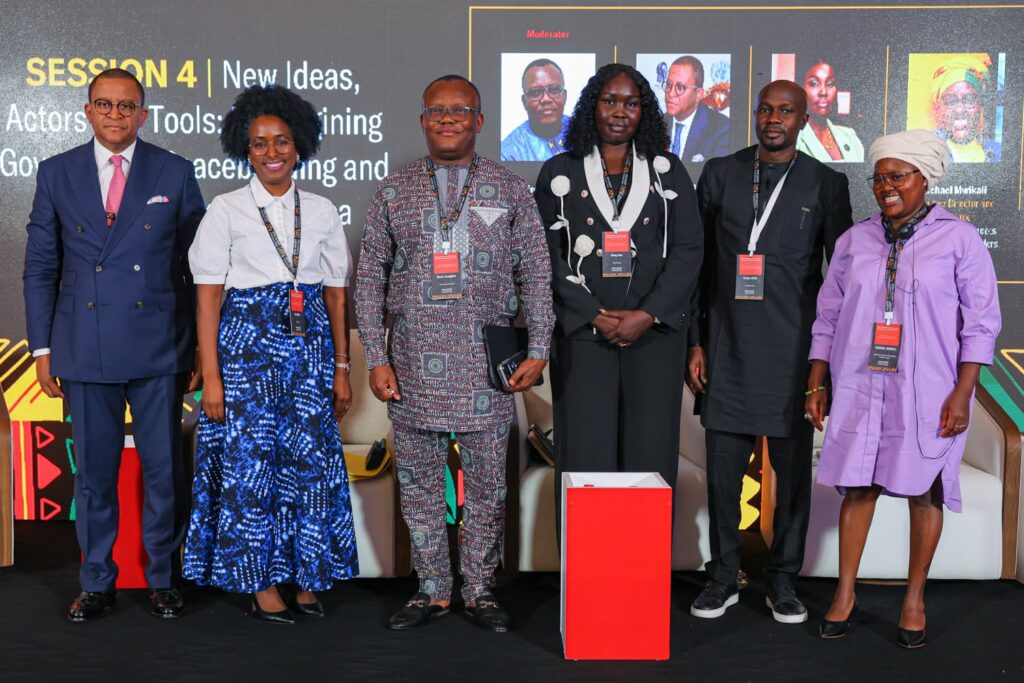
Ultimately, the Accra summit offers Africa a historic opportunity to rewrite its extractive narrative from one of exploitation to self-sustained prosperity.
Adopting a unified, people-first framework will enhance the continent’s collective bargaining power when negotiating international contracts, ensuring higher revenue retention and local content requirements.
By coupling technological innovation and infrastructure investments with transparent governance, African nations can safeguard their ecosystems, alleviate socio-economic disparities, and transform critical mineral wealth into a catalyst for enduring peace and inclusive economic development.
READ ALSO: The Wontumi Judgment and What It Reveals About Ghana’s Understanding of Agricultural Investment