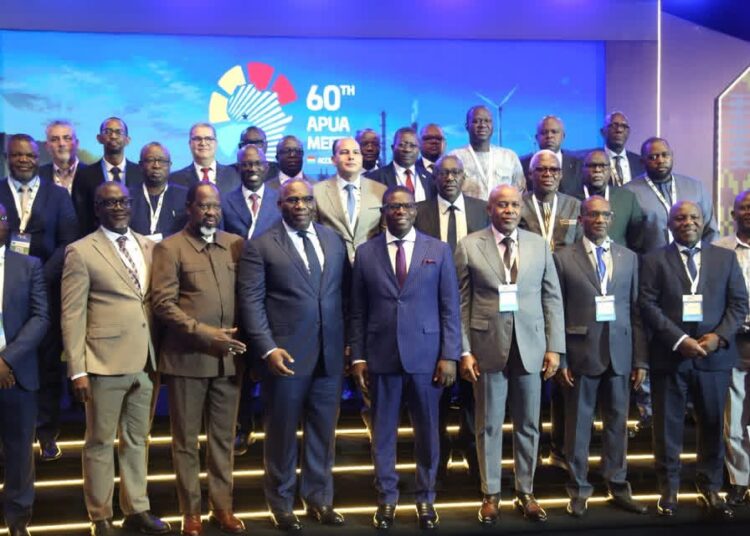
The 60th Annual General Meetings of the Association of Power Utilities of Africa (APUA) have concluded in Accra with African energy leaders agreeing on the need to accelerate regional power integration, strengthen utility finances and mobilise more private investment for electricity infrastructure across the continent.
The week-long summit, hosted by Ghana, brought together more than 200 utility executives, regulators, policymakers, financiers and energy experts to discuss the future of the African Single Electricity Market (AfSEM) and the wider Continental Power Systems Master Plan.
The closing discussions focused on how African countries can move from policy commitments to practical implementation through stronger transmission interconnections, improved governance and financially sustainable utilities.
Ghana links reforms to investor confidence
Ghana used the summit to present ongoing reforms aimed at stabilising the domestic power sector and improving confidence among investors and independent power producers.
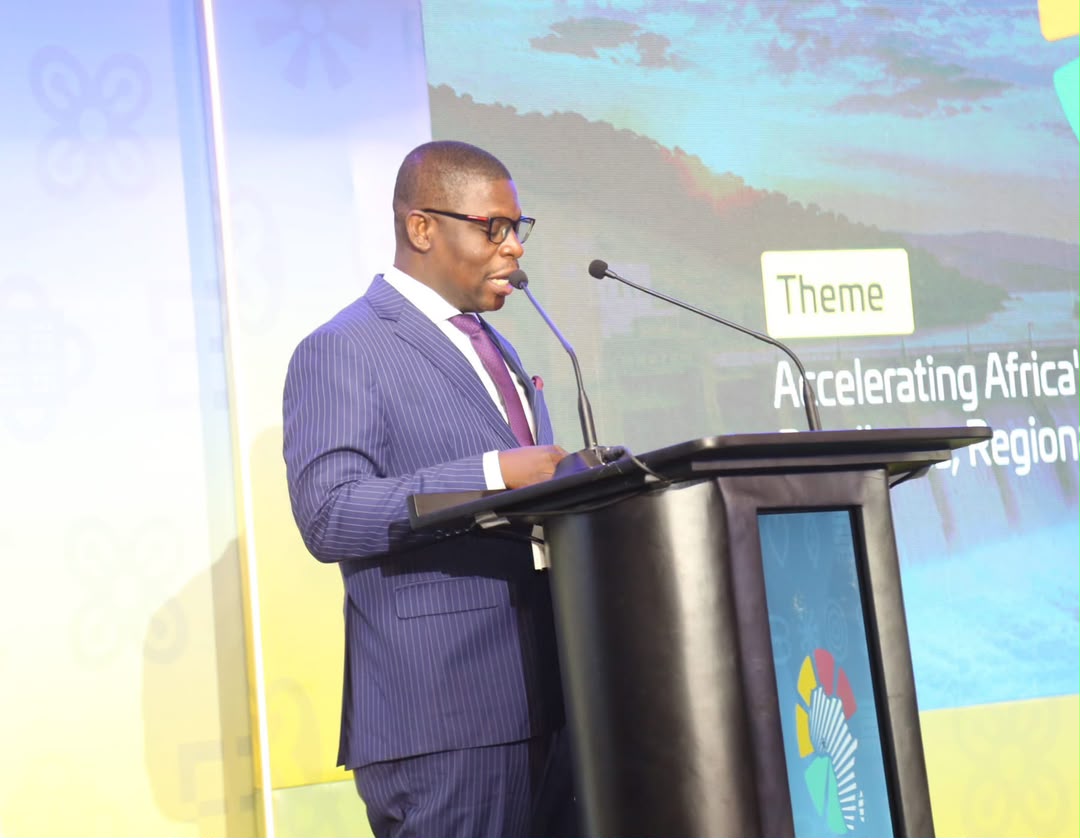
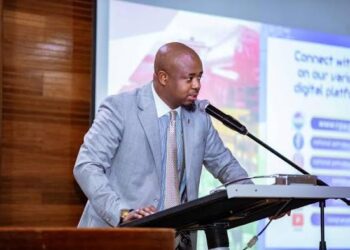
Speaking during the conference, Deputy Minister for Energy and Green Transition Richard Gyan-Mensah said government is strengthening the country’s Cash Waterfall Mechanism and working towards full settlement of monthly obligations to Independent Power Producers (IPPs).
We have been able to secure over 250 million dollars in savings through the PPA renegotiation and restore the 500 million dollar World Bank partial risk guarantee for the Sankofa gas project and strengthen the cash waterfall mechanism.
Deputy Minister for Energy and Green Transition Richard Gyan-Mensah
The Deputy Minister added that Ghana is targeting 100% monthly cash settlements for IPPs, arguing that predictable payments are essential for maintaining electricity supply reliability and attracting future investment into generation projects.
The announcement comes as Ghana continues efforts to address legacy debts within the energy sector and improve the financial performance of state-owned utilities.
Utilities urged to improve governance
A major theme of the summit was the challenge of financing Africa’s growing electricity demand.
Participants noted that achieving the continent’s power and energy-transition ambitions will require significantly higher investment levels, with public budgets alone unlikely to meet future infrastructure needs.
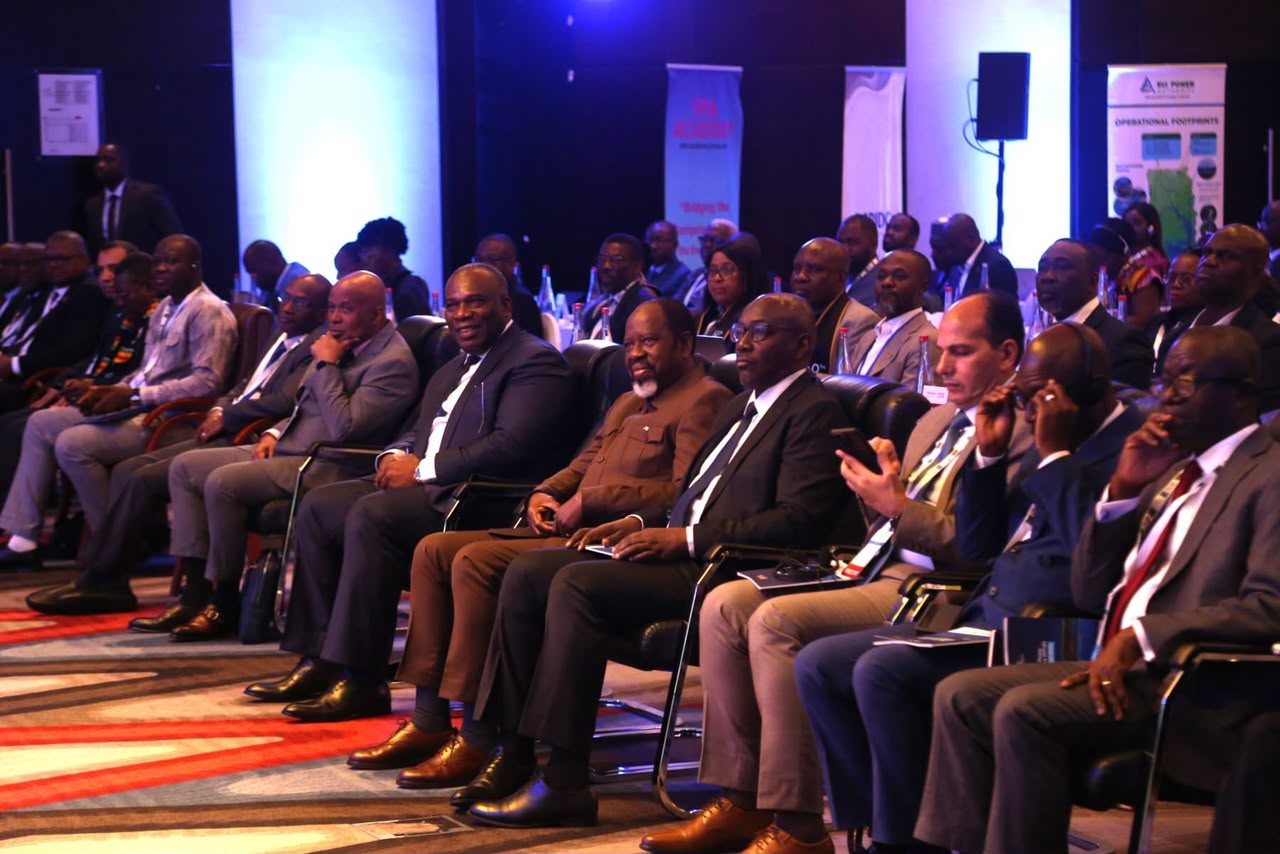
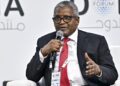
APUA Director-General Abel Didier Tella called for stronger corporate governance, financial discipline and operational transparency across African utilities.
African power utilities can no longer rely solely on state guarantees or public debt to expand capacity. The path forward demands strict internal financial discipline, absolute corporate governance, and operational transparency.
According to him, attracting international private capital will depend on whether utilities can demonstrate commercial viability and operate within predictable regulatory frameworks.
Regional integration moves to implementation phase
Technical sessions during the conference focused on grid modernisation, renewable energy integration and cross-border electricity trading.
Delegates discussed steps to accelerate the implementation of the Continental Power Systems Master Plan, including deeper cooperation among regional power pools and the development of market-coupling arrangements that would allow electricity to flow more efficiently across borders.
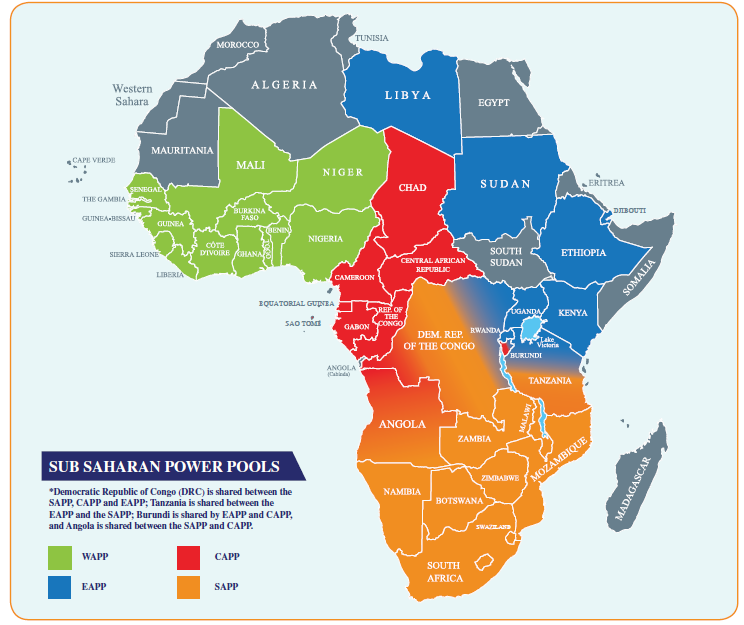
The broader objective is to create a more interconnected African electricity market capable of moving surplus power from generation centres to areas experiencing shortages.
In earlier sessions of the conference, ECG Managing Director Ing. Kwame Kpekpena argued that the fragmentation of African power systems remains a major barrier to economic growth and that regional integration should ultimately translate into better and more affordable electricity services for consumers.
Ghana highlights infrastructure investments
Ghana also showcased ongoing investments intended to support both domestic reliability and future regional integration.
Conference discussions referenced the role of the Volta River Authority’s generation assets, as well as planned investments in battery energy storage and solar power to improve system flexibility and support renewable energy integration.
Delegates later undertook technical visits to key power infrastructure facilities, including installations operated by GRIDCo and the Bui Power Authority, to examine operational and transmission projects linked to regional market development.
Summit closes with focus on delivery
The Accra meeting ends with utilities under pressure to convert high-level declarations into measurable progress on infrastructure, finance and market integration.

For Ghana, the summit provided an opportunity to position itself as an active participant in continental power-market reforms while also drawing attention to domestic efforts to improve payment discipline and strengthen the electricity sector’s financial foundations.
The discussions build on themes raised throughout the week, including Ghana’s willingness to share aspects of its energy-sector experience with other African countries and ECG’s call for deeper regional power cooperation.
As delegates leave Accra, the central message from the 60th APUA meetings is that Africa’s electricity challenge will not be solved by isolated national systems alone, but by stronger utilities, better governance and a more connected continental power network capable of supporting industrial growth, energy security and the ambitions of the African Continental Free Trade Area.
READ MORE: Market Bulls Ignore Sharp Trading Decline