Ghana is moving closer to completing most of the priority reforms under its National Energy Compact, with government and development partners working to unlock a US$4.4 billion energy investment pipeline aimed at expanding electricity access to 99% of the population by 2030.
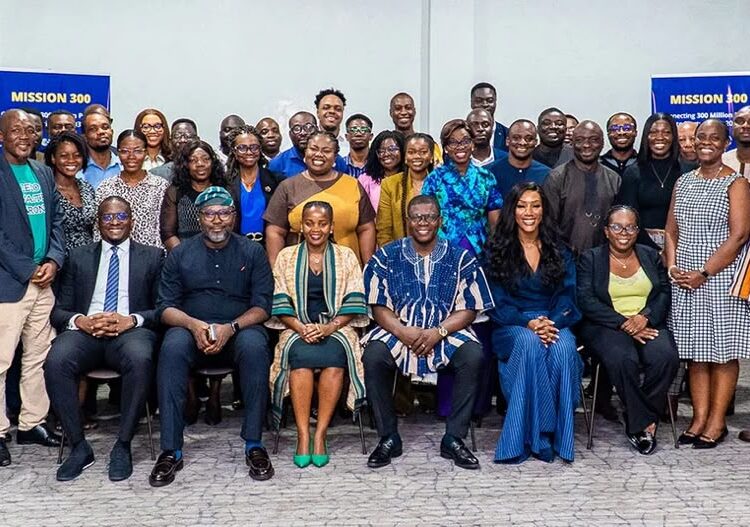
The progress was reviewed during a two-day Compact Implementation Support Workshop held in Accra which brought together more than 70 representatives from government institutions, development finance organisations, the private sector and civil society.
The workshop focused on accelerating delivery of Ghana’s National Energy Compact under Mission 300, the African Development Bank and World Bank Group initiative seeking to connect an additional 300 million people across Africa to electricity by 2030.
Facilitated by Sustainable Energy for All (SEforALL) and supported by the African Development Bank’s Africa Energy Sector Technical Assistance Program (AESTAP), the meeting validated a Ghana-led roadmap intended to accelerate reforms, mobilise investment and expand electricity access.
Majority of reforms nearing completion
According to the workshop assessment, Ghana has already completed around 60% of Compact actions and is on course to deliver 13 of its 16 priority reforms.

Officials said the remaining reforms are facing administrative and financing-related delays, including parliamentary approvals, budget allocations and procurement processes.
The government indicated that measures are being taken to address those bottlenecks in order to keep implementation on schedule.
The reforms form part of a broader effort to improve energy-sector governance, strengthen investment readiness and accelerate electrification across underserved communities.
Mini-grids and regional power trade advance
Participants reviewed progress achieved during the first year of implementation, including the completion of eight mini-grids and the construction of 35 additional mini-grids.

Ghana is also continuing to expand regional electricity trade through the West African Power Pool, which remains a key component of the country’s long-term energy strategy.
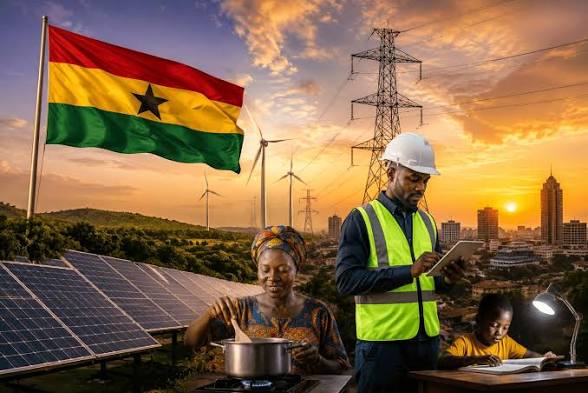
The electrification pathway combines grid intensification, mini-grid deployment, solar home systems, distributed renewable energy and targeted last-mile investments designed to reach communities that remain outside the main electricity network.
Private sector expected to fund majority of pipeline
A central issue at the workshop was the financing of the energy programme.
Officials reviewed a US$4.4 billion pipeline of energy investments, with US$2.6 billion expected to come from the private sector.
The pipeline includes the Last-Mile Rural Electrification Programme, regional interconnections with Côte d’Ivoire, Mali and Burkina Faso, major transmission upgrades, utility-scale solar projects, mini-grids, distributed renewable energy systems and clean cooking initiatives.
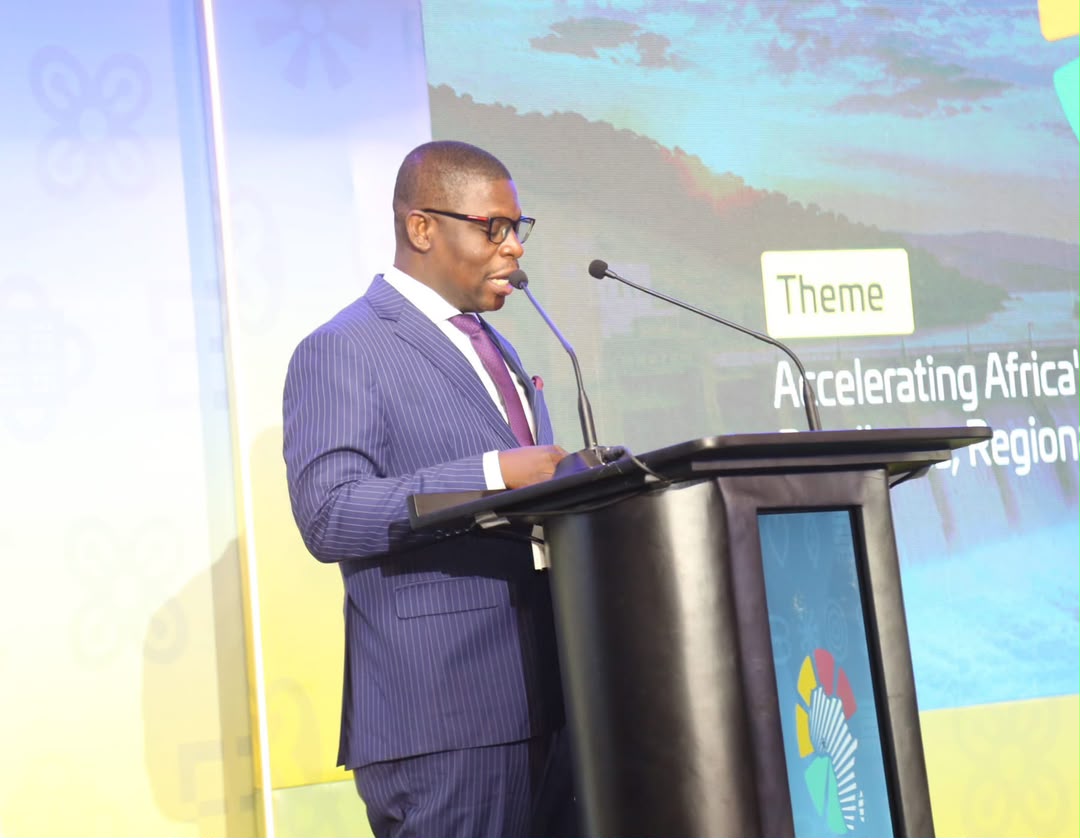
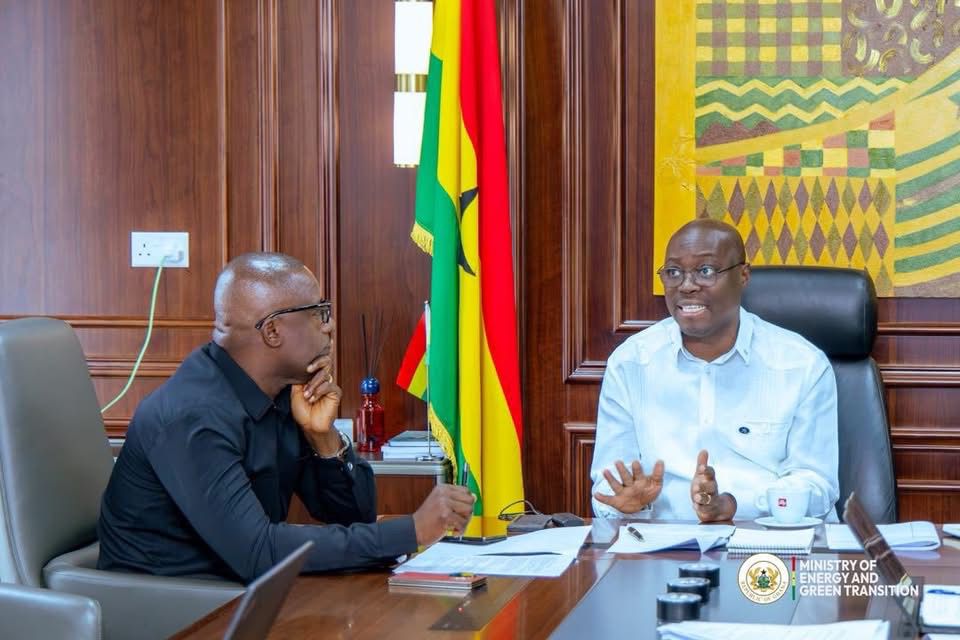
Deputy Minister for Energy and Green Transition Richard Gyan-Mensah said the government is pursuing financing structures that combine public and private capital.
To achieve our energy targets, we are pursuing public-private partnership financing models. The National Compact has an investment pipeline of US$4.4 billion, including US$2.6 billion expected from the private sector.
Deputy Minister for Energy and Green Transition Richard Gyan-Mensah
The Government remains fully committed to removing administrative bottlenecks, strengthening coordination and working with all partners to translate the commitments in the National Energy Compact into projects that deliver tangible results to our citizens.
AfDB says focus is now on implementation
The African Development Bank described Ghana’s first-year progress as encouraging but stressed that reforms must now lead to actual projects and electricity connections.
Wale Shonibare, Director for Energy Financial Solutions, Policy and Regulations at the African Development Bank Group, said the emphasis is shifting from policy commitments to implementation.
Ghana has demonstrated strong leadership in implementing its National Energy Compact. Progress during the first year has been very encouraging.
This workshop is focused on ensuring that reforms translate into investment, projects and electricity connections for the people of Ghana.
He added that the African Development Bank remains committed to supporting the government and its partners under the Mission 300 framework.
Coordination mechanisms strengthened
The workshop also reviewed implementation arrangements.
The Ministry of Finance and the Ministry of Energy and Green Transition will continue discussions on counterpart funding and parliamentary approvals, while the Energy Sector Working Group has been reconstituted under revised terms of reference.
Implementing agencies committed to regular reporting to the Compact Delivery and Monitoring Unit, and development partners, private sector representatives and civil society organisations reaffirmed their support for the programme.
The Ghana Compact Implementation Support Document will now be finalised with stakeholder input, with priority actions assigned to responsible institutions together with timelines and escalation procedures.
Officials said the project pipeline will also be refined for investor engagement, while technical assistance priorities will be incorporated into the broader Mission 300 support programme.
Why the reforms matter
Ghana already has one of the highest electricity access rates in sub-Saharan Africa at 89.1%, but closing the remaining gap is expected to require substantial investment in rural electrification, transmission infrastructure and distributed renewable energy.
The significance of the reforms therefore extends beyond new connections.
If implemented successfully, the programme could improve power reliability, strengthen regional electricity trade, support renewable energy deployment and help position Ghana as one of the leading electricity-access performers on the continent by the end of the decade.
READ MORE: Five-Year Presidential Term Deserves Serious Consideration — Parliamentary Affairs Analyst