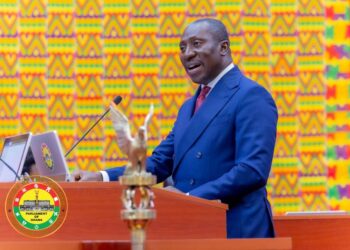
Hon. Davis Ansah Opoku, Member of Parliament for Mpraeso, has forcefully advocated for complete Ghanaian ownership of the country’s strategic mining assets, framing indigenous resource control as the indispensable engine required to drive sustainable national development.
In the interview with The Vaultz News, lawmaker emphasized that the historic dominance of foreign multinationals over primary mineral concessions must give way to domestic capital and Ghanaian enterprise.
“Ghanaian resources must be owned by Ghanaians, as that is the only way we can develop our country. At a point in our development we needed to bring in foreigners to support us because we lacked that expertise, but today we have universities producing experts in that industry every year. It is about time that we take over these mines to ensure that we continue to create meaningful jobs for Ghanaians.”
Hon. Davis Ansah Opoku, Member of Parliament for Mpraeso
He contended that true economic emancipation will remain elusive so long as the substantial equity and long-term financial benefits of the nation’s mineral wealth are controlled by foreign entities, urging government and industry stakeholders to overhaul existing concession frameworks in favor of local ownership.
Expanding on this imperative, the Mpraeso legislator pointed out that while foreign expertise and capital were historically necessary during earlier phases of economic development due to local technical limitations, Ghana’s human resource capacity has evolved dramatically.
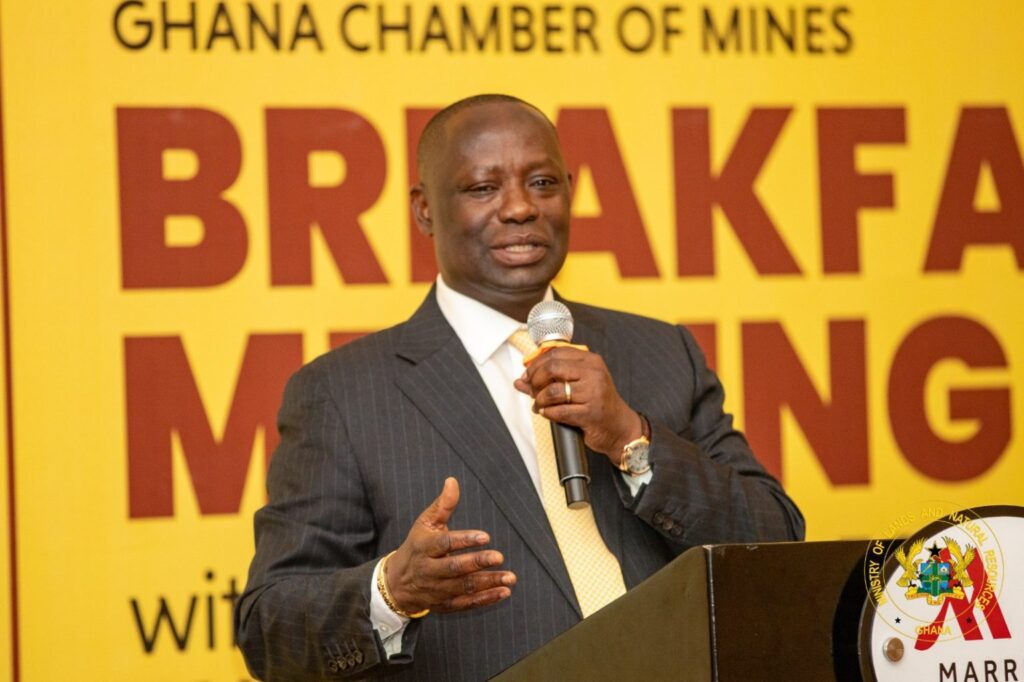
The nation now boasts world-class academic and technical institutions, such as the Kwame Nkrumah University of Science and Technology (KNUST) in Kumasi and the University of Mines and Technology (UMaT) in Tarkwa, which produce specialized extractive industry professionals annually.
Given this deep local talent pool, Hon. Opoku argued that the historical justification for foreign dominance no longer holds, as domestic professionals possess the academic training and technical capability needed to manage and operate large-scale mining enterprises independently.
Building Human Capital and Academic Capacity in the Extractive Sector
The argument for transitioning to local ownership is anchored in the remarkable maturation of Ghana’s educational infrastructure and technical workforce over the past several decades.
When commercial mining frameworks were established in the late 20th century, the state lacked the institutional capacity to train mining engineers, metallurgists, and mineral economists at scale.
Today, institutions like KNUST and UMaT have established themselves as premier regional centers of excellence, running specialized undergraduate and postgraduate programs in mining, geological engineering, and resource management.
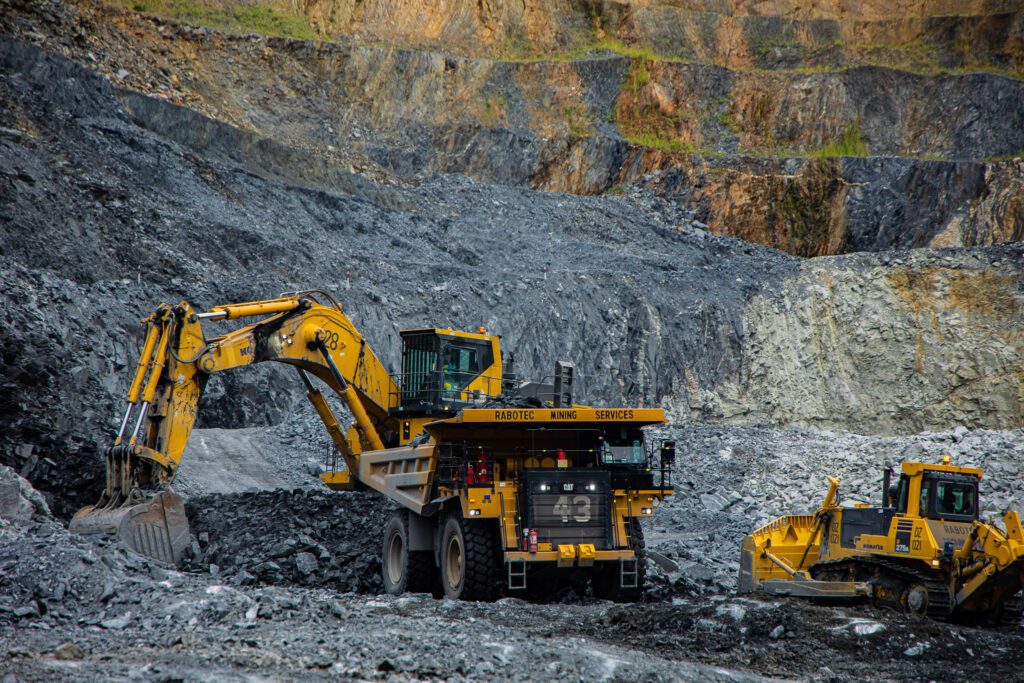
Hon. Opoku underscored that “virtually every year, we continue to produce experts in that industry,” demonstrating that technical skill deficits can no longer serve as an excuse for surrendering resource control.
Capitalizing on this home-grown expertise allows the nation to bridge the gap between academic innovation and commercial extraction, fostering an integrated mining ecosystem driven by local ingenuity.
Retaining Value, Curbing Capital Flight, and Driving Job Creation
Beyond technical self-sufficiency, national ownership of strategic mineral assets addresses the critical economic challenges of capital flight and persistent unemployment.
Under traditional concession agreements, a significant proportion of mining revenues, dividends, and gross profits flows out of Ghana to overseas parent corporations and foreign shareholders, leaving host communities with environmental degradation and modest royalty payments.
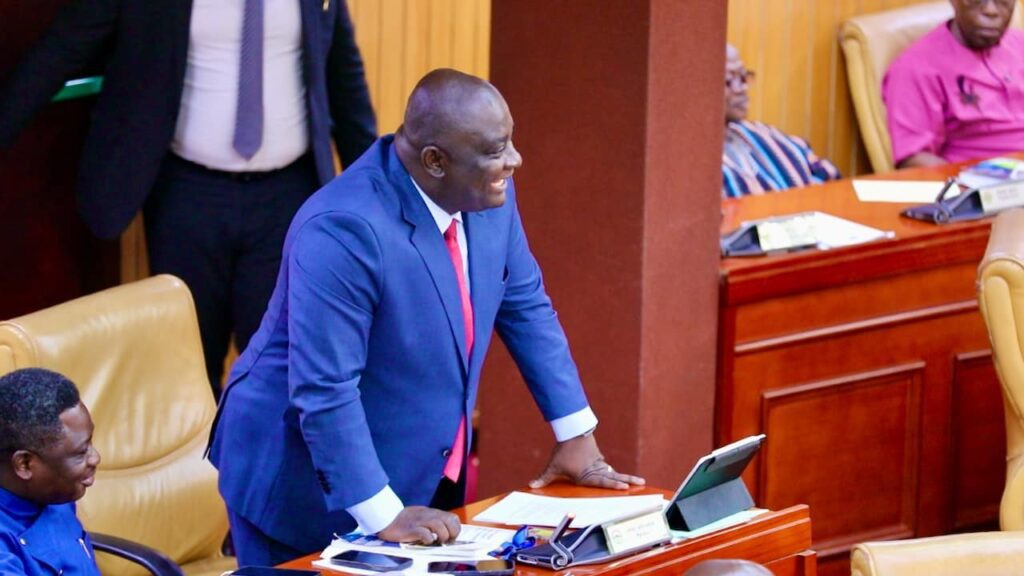
Hon. Opoku emphasized that if Ghanaians own these mining firms and employ local citizens, “let this money stay in our country” to fund critical infrastructure, expand domestic credit markets, and diversify the national economy.
Moreover, practical operational reality demonstrates that indigenous personnel are already performing the heavy lifting across the sector; as the MP highlighted, even within foreign-owned setups “just like Goldfields owns Tarkwa Mines, most of the operational work that is done in Tarkwa is done by Ghanaians.”
Redirecting equity ownership to local hands ensures that financial rewards match operational contributions while creating high-value managerial and technical jobs for youth.
Architecting a Strategic Shift for Extractive Resource Governance
To maximize the developmental impact of mineral endowments, developing nations across Africa are increasingly shifting toward strategic resource nationalism and mandatory state or private domestic equity participation.
Direct ownership empowers host nations to dictate value-addition policies, ensuring that minerals are processed, refined, and value-added locally rather than exported exclusively as raw concentrates.
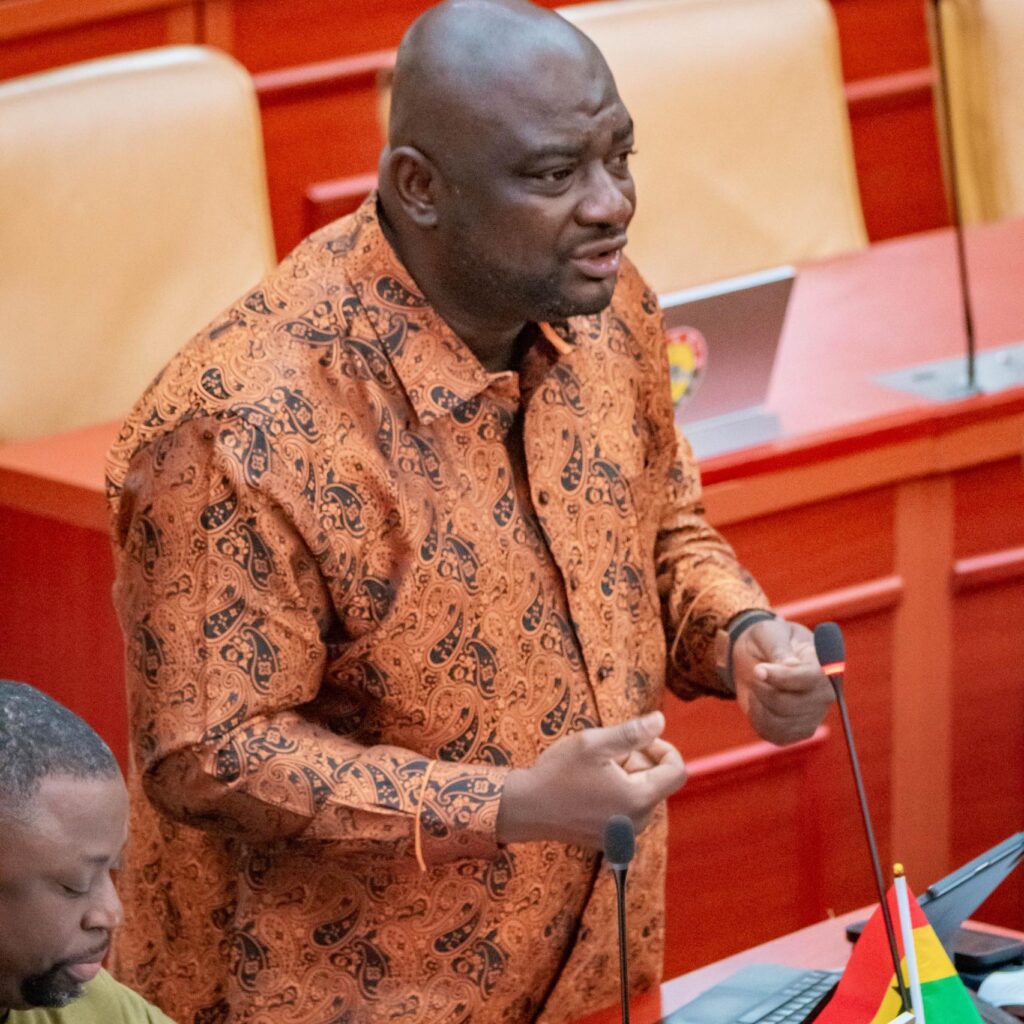
The advocacy championed by senior leaders does not seek to establish inefficient public monopolies, but rather to cultivate domestic private sector equity and Ghanaian institutional investment in partnership with local capital.
By transitioning from a passive royalty collector to an active asset owner, Ghana can safeguard its national sovereignty, stabilize its exchange rate by retaining foreign exchange proceeds locally, and ensure that finite natural wealth translates into lasting generational prosperity.
READ ALSO: Eco-Conscious Coordinator Calls For Stronger Oversight Of Mining Activities