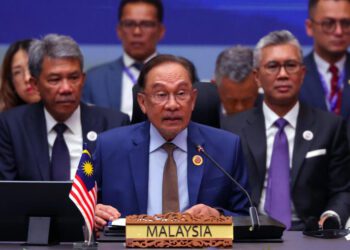
Turkish President Recep Tayyip Erdogan is expected in Saudi Arabia today for a high-level meeting with Saudi Crown Prince Mohammed bin Salman and Pakistani Prime Minister Shehbaz Sharif, as the three countries seek to deepen cooperation amid growing regional security challenges.
Although Turkish officials have described the trip as a routine one-day working visit, its timing has attracted attention following the recent U.S.-Israel war on Iran and continued instability across the Middle East. Erdogan’s office said the visit would focus on bilateral ties and regional developments.
The Turkish leader is expected to hold talks with Crown Prince Mohammed bin Salman and Sharif, who arrived in the kingdom on Thursday for a three-day visit accompanied by Pakistan’s Army Chief, Field Marshal Asim Munir. Turkish Presidential Communications Director, Burhanettin Duran said the meeting would centre on strengthening relations between the countries.

Ahead of the meeting, reports have emerged suggesting that the three countries could sign a joint defence agreement in Jeddah. A source close to the Saudi military told a news agency that the leaders are expected to sign the agreement during today’s visit, while a Turkish intelligence source said the framework for the proposed pact had already been agreed upon.
However, none of the three governments has publicly confirmed that a defence agreement will be signed, and officials have not released a formal agenda for the meeting. If concluded, such an agreement could expand the Strategic Mutual Defence Agreement signed by Saudi Arabia and Pakistan in September 2025. That agreement provides that an attack on either country would be regarded as an attack on both. Extending the arrangement to include Turkiye would mark a significant step in trilateral security cooperation.
Observers caution, however, that the meeting could instead conclude with a joint statement reaffirming cooperation without creating a formal military alliance.
The speculation follows Erdogan’s previous visit to Riyadh in February, when reports suggested Ankara and Riyadh were considering a closer strategic partnership. No formal alliance emerged from that visit, although both governments pledged to strengthen cooperation.
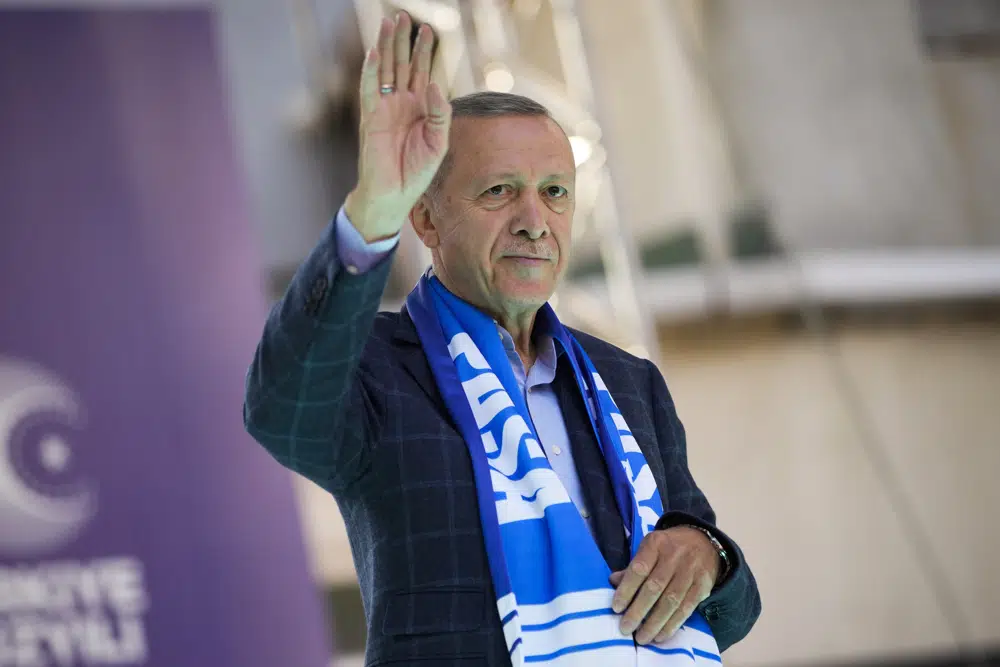
Following the February talks, Turkiye and Saudi Arabia issued a joint statement expressing their commitment to expanding cooperation in defence, energy and economic affairs. “They affirmed their desire to strengthen and develop their defence relations in a way that serves the interests of both countries and contributes to achieving security and stability in the region, including through multilateral cooperation platforms,” the statement said.
The two countries also reaffirmed their support for efforts to secure a ceasefire in Gaza, backed Yemen’s internationally recognised government and rejected Israel’s recognition of Somaliland.
Regional Tensions Shape Agenda
Today’s meeting comes at a time of heightened geopolitical uncertainty across the Middle East.
Just a week ago, Saudi Arabia announced a multinational maritime security initiative aimed at protecting shipping through the Red Sea, the Bab al-Mandeb Strait and the Gulf of Aden. The initiative has already received support from 14 countries, including Turkiye and Pakistan.
The leaders are also expected to exchange views on regional security following months of disruption in the Strait of Hormuz, where tensions escalated after the recent conflict involving the United States, Israel and Iran.
Pakistan has increasingly sought to position itself as a regional mediator during the crisis, maintaining diplomatic engagement with multiple parties.
Today’s expected meeting reflects growing coordination among Turkiye, Saudi Arabia and Pakistan as they seek common approaches to security, trade and regional stability. Although Turkish officials continue to describe Erdogan’s trip as a routine working visit, the gathering of the three leaders is likely to be closely watched for indications of deeper political and defence cooperation.
Whether the meeting produces a formal defence agreement or a broader declaration of shared priorities, it is expected to reinforce dialogue among three influential regional powers at a time when the Middle East continues to face evolving security and geopolitical challenges.
READ ALSO: Spain Reports 70,000 Ceuta Migrants Back in Morocco