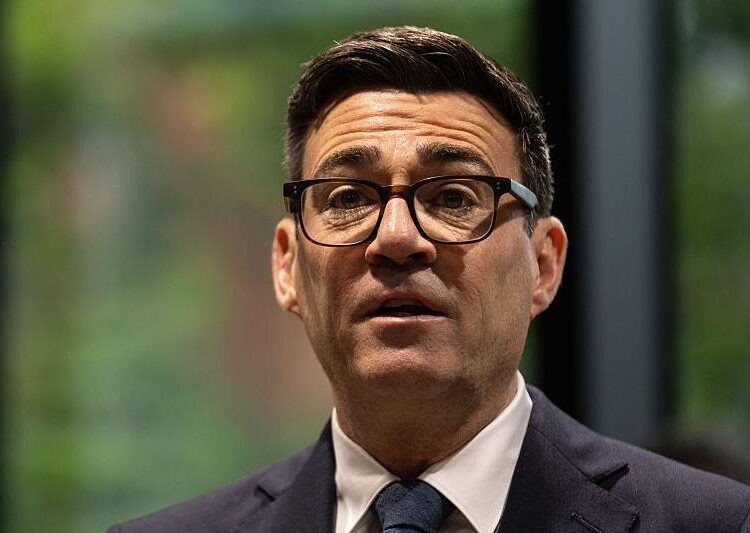
UK Prime Minister Andy Burnham is set to launch a national tour seeking public input on how the government can improve their lives as he prepares to roll out a series of measures aimed at easing cost-of-living pressures across the country.
The tour will take Burnham beyond Westminster and into the UK’s nations and regions as the Prime Mminister seeks to listen directly to households, businesses and communities while shaping a 10-year plan intended to “bring back hope” and make Britain better off.
According to Downing Street, Andy Burnham’s immediate focus will be on practical problems affecting people in their everyday lives, including the rising costs faced by consumers and the pressures confronting struggling high streets.
The government indicated that the Prime Minister wants to challenge what he sees as an acceptance in Westminster that consumers should simply tolerate hidden charges, unfair pricing and other financial pressures.
His administration is therefore preparing a series of “pro-consumer cost of living measures” designed to give households “some room to breathe.“
The initiative comes at a sensitive moment for the new government, with the cost of living remaining a major concern for households and businesses while public expectations rise following Burnham’s arrival in Downing Street.
The Prime Minister is expected to use the tour to gather views from communities on the challenges they face, rather than relying exclusively on policymaking within the capital.
A spokesman for Burnham stated that the Prime Minister believed Westminster had become accustomed to telling people that “everyday hassles – like hidden pricing and consumers being ripped off” had to be accepted as part of life.
“He doesn’t think that’s right. That’s why he’s going to start rolling out a series of pro-consumer cost of living measures to give people some room to breathe.”
Downing Street Spokesperson
The government has not yet provided extensive details of the planned interventions, however, and significant measures are unlikely before Chancellor John Healey’s October Budget.
John Healey has already emphasised that the government will maintain “strong fiscal discipline” potentially limiting the scale of spending commitments available to Burnham as he attempts to respond to pressure from households and businesses.
That financial constraint is likely to become one of the defining challenges of the new administration. While voters may expect rapid action on household costs, the government must balance those demands against the need to control public finances and avoid commitments it cannot sustainably fund.
Burnham’s focus on high streets forms another important element of his early agenda. Town centres across Britain have faced mounting pressures from changing shopping habits, business costs and the broader economic difficulties confronting small and medium-sized enterprises.
Downing Street revealed that the Prime Minister will examine ways of “improving high streets” as he travels around the country, potentially linking support for consumers with efforts to revive local economies.
The strategy is consistent with Burnham’s wider political argument that Britain needs to move away from a Westminster-centric model of government and give communities greater influence over decisions that directly affect them.
“The Prime Minister is going to be in listening mode to help inform his 10-year plan to bring back hope and make Britain better off”
Downing Street Spokesperson
However, the Prime Minister’s economic agenda is already facing criticism from opposition parties, which argue that Labour’s policies have contributed to the difficulties facing households and businesses.
Burnham Faces Political Pressure Over High Streets and Prisoner Release Scheme
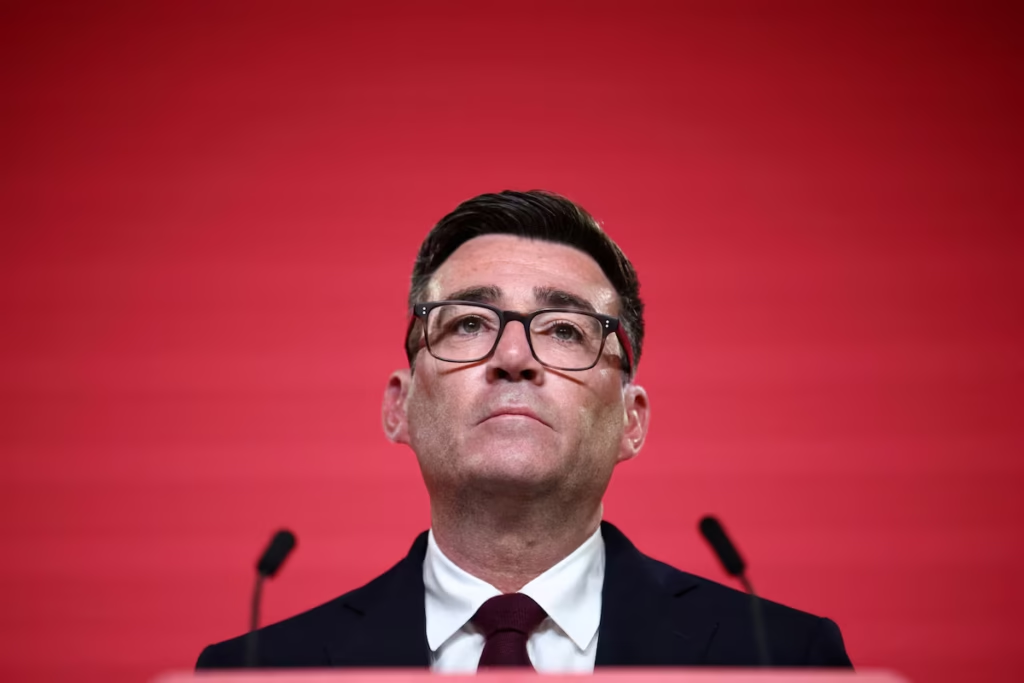
Meanwhile, Opposition parties have questioned the government’s track record on the very issues it claims to be addressing as Burnham gets ready to deliver his cost-of-living message to towns throughout Britain.
The Conservatives have accused Labour of imposing tax increases and additional regulatory burdens on businesses, arguing that such policies risk undermining the government’s efforts to revive high streets.
Shadow chancellor Mel Stride said, “this is breathtaking hypocrisy from Burnham… they are forcing businesses to close, destroying jobs and driving up prices for the public.”
“Meanwhile, Labour are plotting to release dangerous criminals onto our streets, leaving people feeling unsafe in their communities.”
Mel Stride
The Liberal Democrats have similarly argued that struggling high street businesses need more immediate action rather than a nationwide political tour.
Liberal Democrat Treasury spokeswoman Daisy Cooper stated that businesses “need more than a new PM embarking on a vanity tour this summer.“
She called on the government to reverse what she described as the “damaging jobs tax”, introduce an emergency VAT cut for hospitality, reform business rates and tackle vacant commercial properties.
Reform UK’s economic spokesman Robert Jenrick has also urged Burnham to focus on energy costs, calling for the government to remove green levies and taxes from household energy bills and rule out tax increases at the forthcoming Budget.
“If Andy Burnham wants to help people with the cost of living, he should scrap the green levies and taxes on energy bills and rule out tax rises at the Budget.”
Robert Jenrick
In addition to the economic tension, Burnham’s government is coming under increasing fire for its upcoming early release program for inmates in Wales and England.
Due to the fact that two of PC Andrew Harper’s murders are anticipated to be eligible for release starting next year, the plan, which is scheduled to start in October, has been especially contentious.
Shortly after joining Downing Street, Burnham ordered a review of the policy, which led to limitations on the types of inmates who are eligible. The two individuals found guilty of PC Harper’s murder, however, may still profit from the plan since anyone found guilty of manslaughter will still be eligible.
The Prime Minister has faced calls from PC Harper’s family, former senior police officers and opposition politicians to prevent their early release. Burnham has argued that going further could place additional pressure on prison capacity.
Downing Street emphasised that, that position remained unchanged despite reports that the prime minister could reconsider the issue.
The controversy presents an early political test for Burnham, whose government is attempting to project an image of practical reform while dealing with difficult decisions over public spending, crime, prisons and public services.
READ ALSO: FIFA Insists Public Pressure Will Not Undermine Infantino’s Presidency Outside Approved Means