
The New Patriotic Party (NPP) has urged President John Dramani Mahama to withhold assent to the Ghana Cocoa Board Bill 2026, arguing that the legislation was passed under a Certificate of Urgency without adequate stakeholder consultation.
The party said its objection is not to the reforms within the cocoa sector but to the process through which the bill was passed and the potential implications for cocoa farmers.
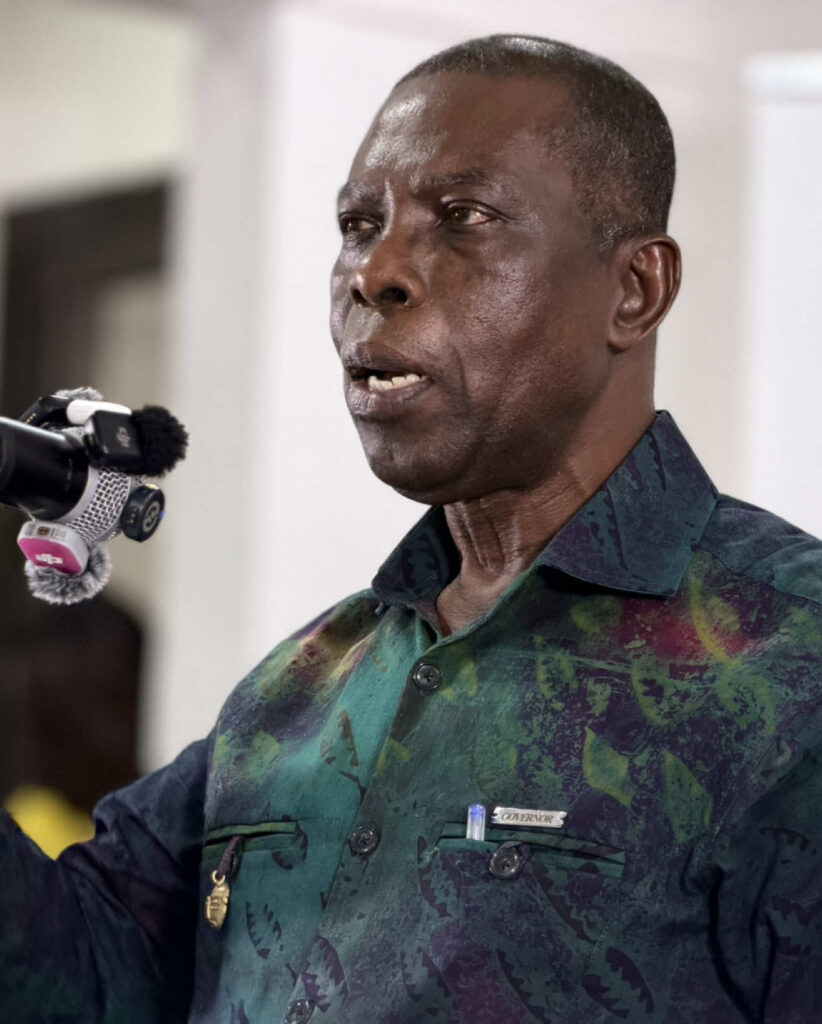
According to the NPP Co-Chairman for the Policy Committee on Agriculture and Member of Parliament for Offinso South, Dr. Isaac Yaw Opoku, Parliament passed the bill on July 30, 2026, and it is now awaiting presidential assent.
He argued that legislation with long-term implications for Ghana’s cocoa industry should have undergone broader consultations with farmers, cooperatives, licensed buying companies and industry experts before parliamentary approval.
NPP Questions Urgency of Bill
Dr. Opoku said the government justified the expedited process by citing the opening of the 2026/2027 cocoa pricing window in September. The government has also argued that the legislation needs to be in place before the new pricing season begins, while also seeking to strengthen the statutory framework governing the cocoa sector.

The NPP, however, maintains that the timeline does not justify limiting consultation on legislation that could shape the regulation and financing of Ghana’s cocoa industry for years. Dr. Opoku also challenged the Majority’s claim that consultations had been held with relevant stakeholders, calling for evidence of those engagements.
“If that is so, the record should show,” he said. The disagreement has therefore centred not only on the substance of the bill but also on the transparency and inclusiveness of the legislative process.
70% FOB Guarantee Raises Questions
One of the major provisions highlighted by Dr. Opoku is the proposed guarantee that cocoa farmers will receive not less than 70% of the Free On Board (FOB) export price. He welcomed the principle of providing farmers with a defined share of export earnings but questioned how the provision would operate in practice.
According to him, farmers need clarity on how the 70% threshold will be calculated, how compliance will be enforced and what mechanisms will apply when international cocoa prices experience significant fluctuations.
He also raised questions about how the Ghana Cocoa Board would finance the commitment without creating financial pressures or arrears. “These are the kinds of questions that should have been answered in a broader consultative process,” he argued.
The government has also indicated that the Bill seeks to address compliance and enforcement gaps by giving statutory backing to regulatory functions that have largely been administered through directives.
NPP Calls for Bill to Return to Parliament
Dr. Opoku said the NPP’s formal position is for President Mahama to withhold assent and return the bill to Parliament for broader stakeholder consultation. He argues that legislation governing farmer incomes, pricing, quality control, licensing and enforcement should reflect the views of the people directly affected by its implementation.
The NPP believes that passing the bill without wider engagement could create implementation challenges and undermine confidence between cocoa farmers and regulatory authorities. Dr. Opoku stressed that the Party is not opposed to strengthening the Ghana Cocoa Board or providing a stronger legal framework for its operations.
He acknowledged the challenges facing the sector, including smuggling, quality control and contract enforcement, but argued that sustainable solutions require meaningful engagement with stakeholders at the grassroots level.
Farmers at Centre of Debate
Dr. Opoku argues cocoa farming remains a critical source of income for millions of Ghanaian households and an important contributor to the country’s export earnings and foreign exchange.
He therefore noted that disruptions within the cocoa sector could have wider implications for rural incomes, agricultural inputs and government finances. For that reason, he said, reforms affecting the industry should be approached with particular attention to the interests of farmers and other stakeholders.
He reiterated the need for a clear framework explaining how the 70% FOB commitment would operate under different international price scenarios. Farmers, he said, need to know whether the 70% provision would function as a guaranteed floor even when global cocoa prices decline and how the commitment would be sustained financially.
Stakeholders Await Presidential Decision
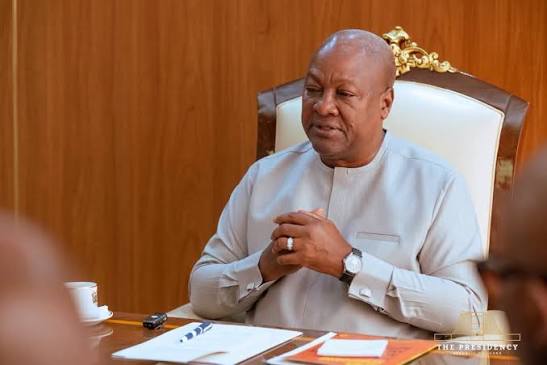
With the Bill now before President Mahama, Dr. Opoku said farmers, cooperatives, licensed buying companies, civil society organisations and development partners would be closely watching the President’s decision.
He argued that returning the bill to Parliament would provide an opportunity for stakeholders to review its provisions, raise concerns and contribute to a more sustainable regulatory framework. The debate, he said, reflects a broader challenge in Ghanaian policymaking: balancing the need for urgent action with the importance of consultation and consensus.
Dr. Opoku maintained that agriculture legislation linked to export earnings and rural livelihoods should not be treated as routine legislation. He said a transparent and inclusive process could strengthen farmer confidence, improve compliance and enhance Ghana’s position in the global cocoa market.
Conversely, he warned that a rushed process could create implementation difficulties and weaken trust between farmers and regulators. “The heart of the matter is the farmers. They need certainty on pricing, clarity on regulations, and assurance that their voices were heard,” he said.
He maintained that the NPP’s position remains clear: the President should pause the process, facilitate broader consultation and allow Parliament to reconsider the legislation before proceeding with implementation.
READ ALSO: Government’s MMDCE Election Proposal Leaves Decentralisation At Status Quo, Political Scientist